Kenya's wildlife conservancies — where you come first
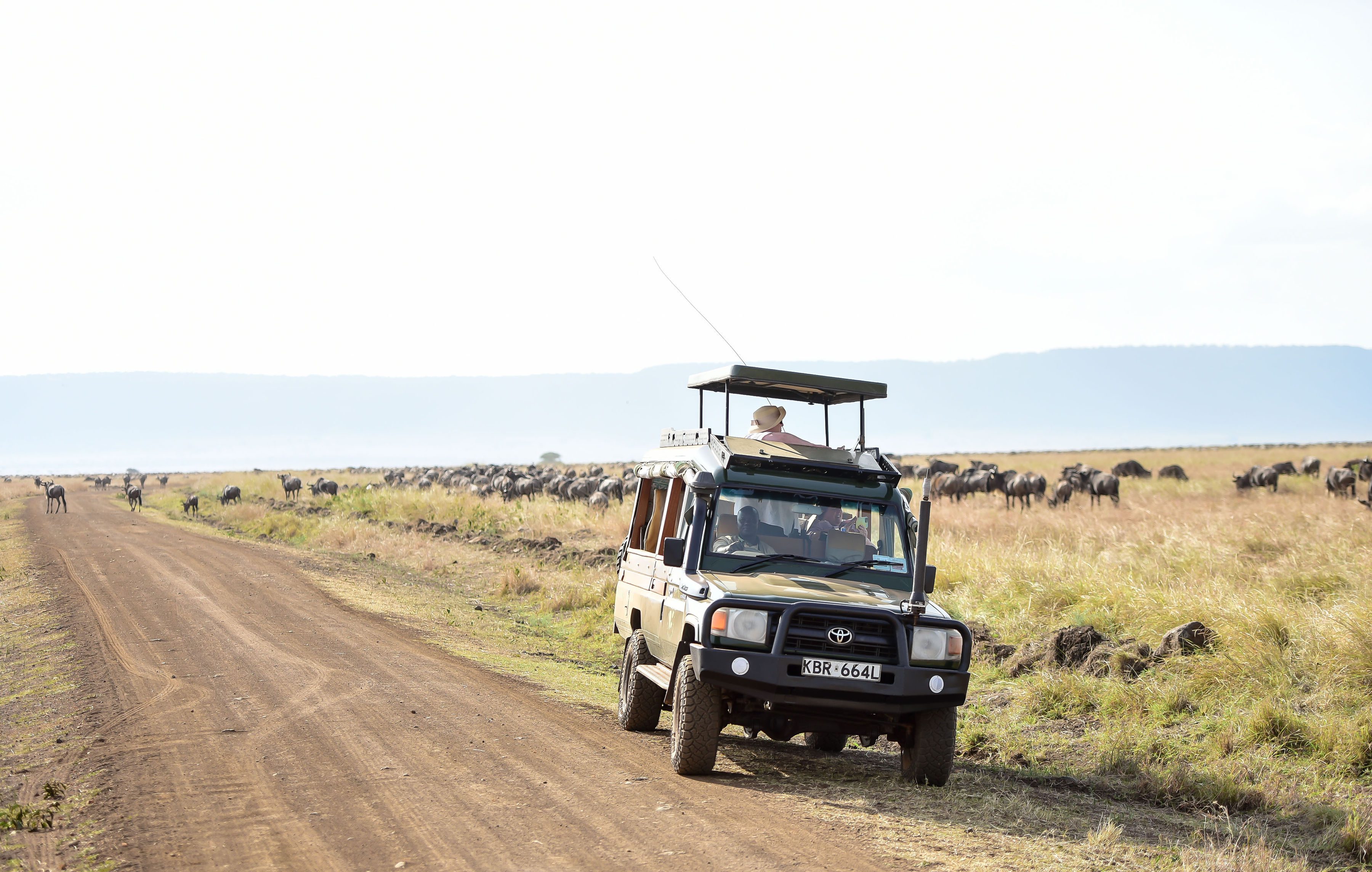
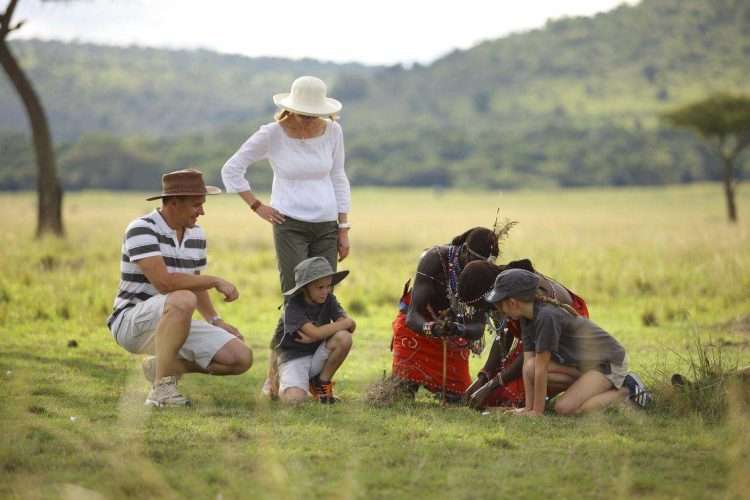
Same iconic wildlife. Fewer tourists. Off-road driving, night safaris and walking safaris all permitted. And every visit directly pays the Maasai families who protect this land. This is the insider's Kenya — and it is extraordinary.
What is a wildlife conservancy?
Kenya's national parks and game reserves protect core wilderness areas — but they cannot do it alone. Wildlife conservancies extend and connect these protected areas, managed by communities, private landowners or corporate partners who have chosen wildlife over farming. The result: more habitat, more wildlife corridors, more animals — and for visitors, a far more personal and exclusive safari experience.
Community Conservancies
Formed by local communities on jointly owned land, managed with professional assistance from Kenya Wildlife Service (KWS) and tourism partners. Local people make decisions about and benefit directly from conservation efforts on their ancestral land.
Group Conservancies
Formed by combining private neighbouring land parcels into a larger, viable conservation area. Private landowners (often Maasai community members) pool their land and manage it together with tourism operators — sharing revenue and decision-making.
Private Conservancies
Formed on large private ranches by individuals, families, NGOs or commercial entities. Many were formerly cattle ranches converted to conservation — often supporting rare or endangered species that require large, protected corridors with minimum human disturbance.
Conservancy vs National Park — what you actually get
| Experience | ✦ Private Conservancy | National Park / Reserve |
|---|---|---|
| Night game drives | ✔ Permitted | ✖ Not allowed |
| Off-road driving | ✔ Permitted | ✖ Must stay on tracks |
| Walking safari | ✔ With guide, permitted | ✖ Usually not allowed |
| Sundowner stops | ✔ In the bush, anywhere | Limited picnic sites only |
| Tourist numbers | Strictly limited — very few vehicles | High — multiple vehicles at sightings |
| Community benefit | Direct — landowner fee per night | Government-collected park fees |
| Wildlife density | Often higher (fewer vehicles disturb) | High but with more competition |
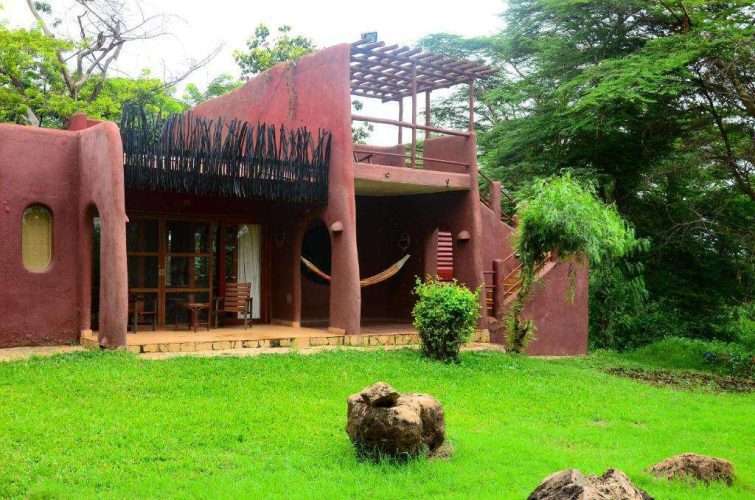
| Accommodation | Exclusive camps, often 6–12 beds only | Mix of sizes, some very large lodges |
Masai Mara Wildlife Conservancies
Nine private conservancies surround the Masai Mara National Reserve, together forming one of the most wildlife-rich and ecologically significant landscapes on Earth. Each limits visitor numbers, allowing you to experience the Mara with true exclusivity.
Mara North Conservancy
'A Personal Adventure'A picture postcard of flawless Africa — golden savannahs, perfect acacia silhouettes and prolific big cats. The private wilderness of over 61,000 acres is a special zone created to protect this beautiful swath of the Mara landscape, the wildlife within its borders, and its native inhabitants, the pastoral Maasai people.
Going on safari here means you enjoy the plains with very few other tourists and vehicles — exactly the experience that has become impossible in the national reserve itself during peak season.
- Key wildlife: Lion, leopard, cheetah, elephant, buffalo, giraffe, wild dog (seasonal)
- Activities permitted: Night drives, walking safaris, off-road driving, bush meals
- Maasai culture: Direct partnership with Maasai landowners — village visits available
Mara Naboisho Conservancy
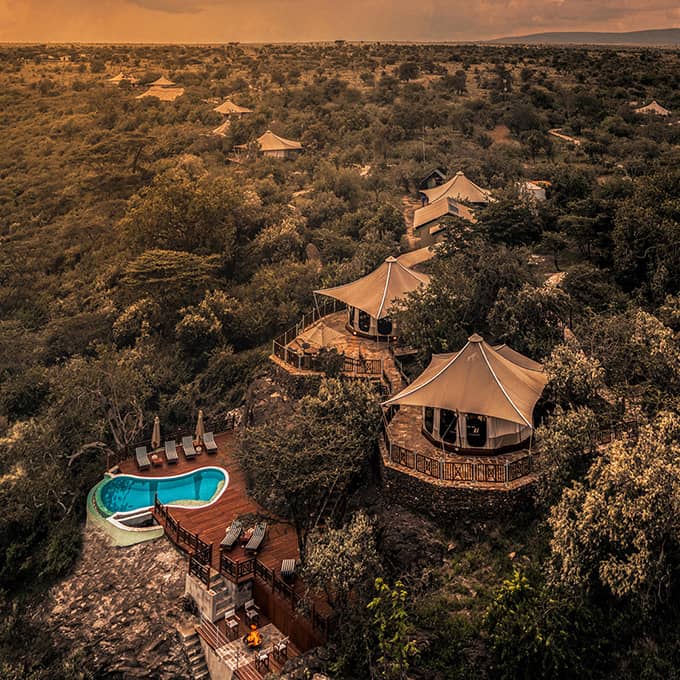
'An Exclusive Safari Experience'The Masai Mara National Reserve is perhaps the most exciting game park in the world — but Naboisho offers as many animals with far fewer tourists. This private conservancy strictly limits the number of visitors who can explore its 53,000 acres, meaning you may come upon lions, wild dog or elephant with no other vehicle in sight.
Naboisho is home to over 100 big cats — the density of lions and their large prides is one of the highest recorded anywhere on the continent. The conservancy also forms a key corridor for the Great Migration from July to October, when several hundred thousand wildebeest pass through.
- Lion density: One of the highest on the continent — 100+ big cats across 53,000 acres
- Migration: Key corridor — hundreds of thousands of wildebeest pass July–October
- Rare wildlife: African wild dog, Kenya's rarest large predator
 Group Conservancy
Olare Motorogi Conservancy
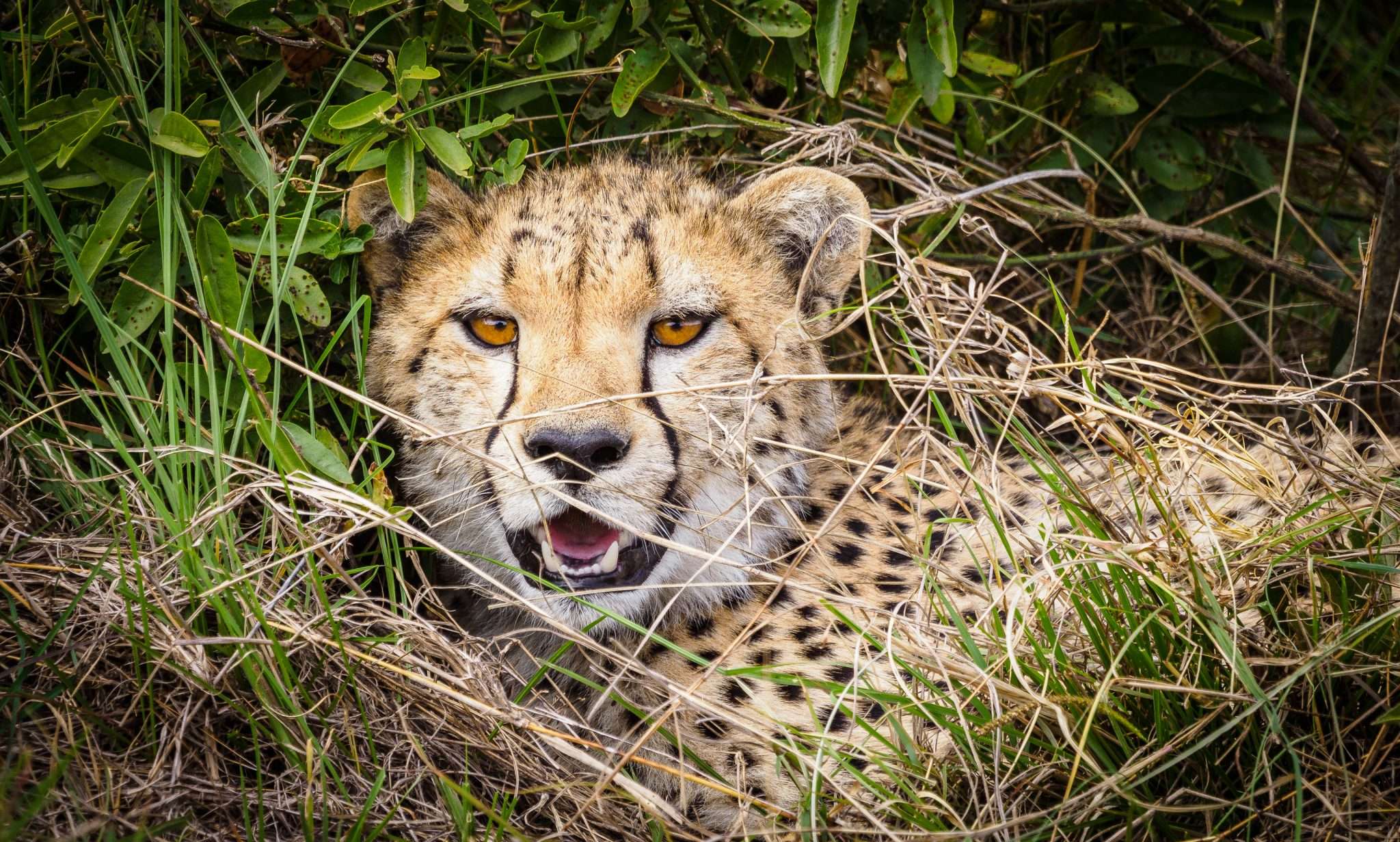
'A New Kind of Safari Tourism'Partnership between Maasai landowners and five tourism operators. River valleys, acacia forest and natural gorges — with the densest lion population in East Africa. Over 50 species of raptors recorded. African wild dog and endangered rhino also present. Zero tourist herds.
 Group Conservancy · Pioneer
Ol Kinyei Conservancy
'The Pioneer — Est. 2005'The first Mara conservancy — founded 2005 in partnership with 171 Maasai landowners. Now expanded to 17,500 acres. A pride of over 30 lions plus leopard, cheetah and 300+ bird species. Won Community Conservancy of the Year 2011 & 2012 (Ecotourism Kenya). The model all others followed.
 Group Conservancy
Mara Triangle Conservancy
'The First Success'About one-third of the total Masai Mara Reserve area — with an abundance of game. It is genuinely possible here to see all Big Five within a 2km radius in one day. Controls the most dramatic section of the Mara River — prime wildebeest crossing territory every July–October.
Group Conservancy Mara Siana Conservancy
'A Success Story for Everyone'Resident lion prides, leopard, cheetah, African wild dog and hyena. Migration corridor July–October. Elephant family herds of over 200 individuals. Uniquely, wildebeest calving occurs in the adjacent Loita Hills in January–February — the beginning of the migration cycle that is rarely witnessed.
 Group Conservancy
Lemek Conservancy
'A Compact Wonder'Compact but wildlife-rich, bordering the Mara River. Dense acacia trees along the riverbank draw leopards who perch scanning for prey. Resident lion and cheetah, with migration herds greatly expanding wildlife during July–October. All the activities the Mara reserve doesn't allow.
 Private Conservancy
Olarro Conservancy
'Olarro' means buffalo in MaasaiLocated in the Loita Hills at 6,000 feet above sea level — 200km from Nairobi. Established 2012 in the Enkijape hills. Sits along the Great Migration corridor playing a significant role in the Greater Nguruman–Loita–Mara–Serengeti ecosystem. Intimate luxury lodge. Deep Maasai heritage.
Enonkishu Conservancy
On the northern boundary of the Mara-Serengeti Ecosystem at the edge of human settlement and arable farmland. Used as a demonstration site for sustainable rangeland management — a model for how farming communities can coexist with and benefit from wildlife conservation.
"You may find yourself coming upon lions and other wildlife with no one else around. That is the promise of the Mara conservancies — and they deliver on it, every time."— Africa Kenya Safaris · Est. 2006
Rift Valley Lakes Region Conservancies
Six conservancies and sanctuaries around Lake Naivasha and the Rift Valley lakes — perfect for day trips from Nairobi or as a gentle introduction to Kenya's wildlife before a longer safari.
 Wildlife Sanctuary
Crescent Island Wildlife Sanctuary
Boasts more animals per acre than any other park in Kenya. No fences — animals move freely between the island and the mainland. Imagine walking alongside gazelle, zebra, giraffe and wildebeest entirely on foot — that is this island. Hippos graze around you. Pelicans and fish eagles fish overhead.
Private Conservancy Soysambu Conservancy
Borders Lake Elmenteita — a UNESCO World Heritage Site, Important Bird Area and Ramsar Wetland — with spectacular Rift Valley landscapes. Rothschild giraffe, buffalo, flamingo and hundreds of bird species. Privately owned, low tourist numbers, accessible from Nairobi in under 2 hours.
Private Conservancy Hippo Point Naivasha Conservancy
An exclusive private conservancy on an isthmus between Lake Naivasha and Lake Oloidien at 6,200 feet (2,000m) — near-perfect microclimate, 350+ bird species, 1,200 resident animals. Fall asleep to the sound of hippo and hyena. Walk among game along the lakeshore at sunrise. Safari on your terms.
 Community Conservancy
Kigio Wildlife Conservancy
Originally a cattle ranch, now managed by the local community who chose wildlife over cattle — a transformation story at the heart of Kenya's conservation model. Home to the endangered Rothschild giraffe, buffalo, zebra, waterbuck, impala, leopard, hippo and over 200 bird species.
Wildlife Sanctuary Oserengoni Wildlife Sanctuary
Over 18,000 acres with electrified perimeter — keeping cattle grazers out while wildlife moves freely through corridors connecting directly to Hell's Gate National Park and Lake Naivasha. Since establishment, leopard and giraffe numbers (previously persecuted) have stabilised and grown significantly.
Private Farm Conservancy Sanctuary Farm Naivasha
Lake Naivasha designated a RAMSAR Wetland of International Importance in 1995. The farm's riparian land supports hundreds of hippos, Cape buffalo, Maasai giraffe, waterbuck and over 350 species of water birds. Wildlife is so habituated to people you can walk at close proximity — a unique, gentle encounter.
Northern Circuit & Laikipia Conservancies
The Laikipia Plateau is Kenya's most important private conservation landscape — a mosaic of ranches, community conservancies and wildlife corridors that protects more black rhino, Grevy's zebra and African wild dog than almost anywhere outside national parks.
🦏 Critical Conservation Landmark
Ol Pejeta Conservancy — the most important wildlife sanctuary on Earth
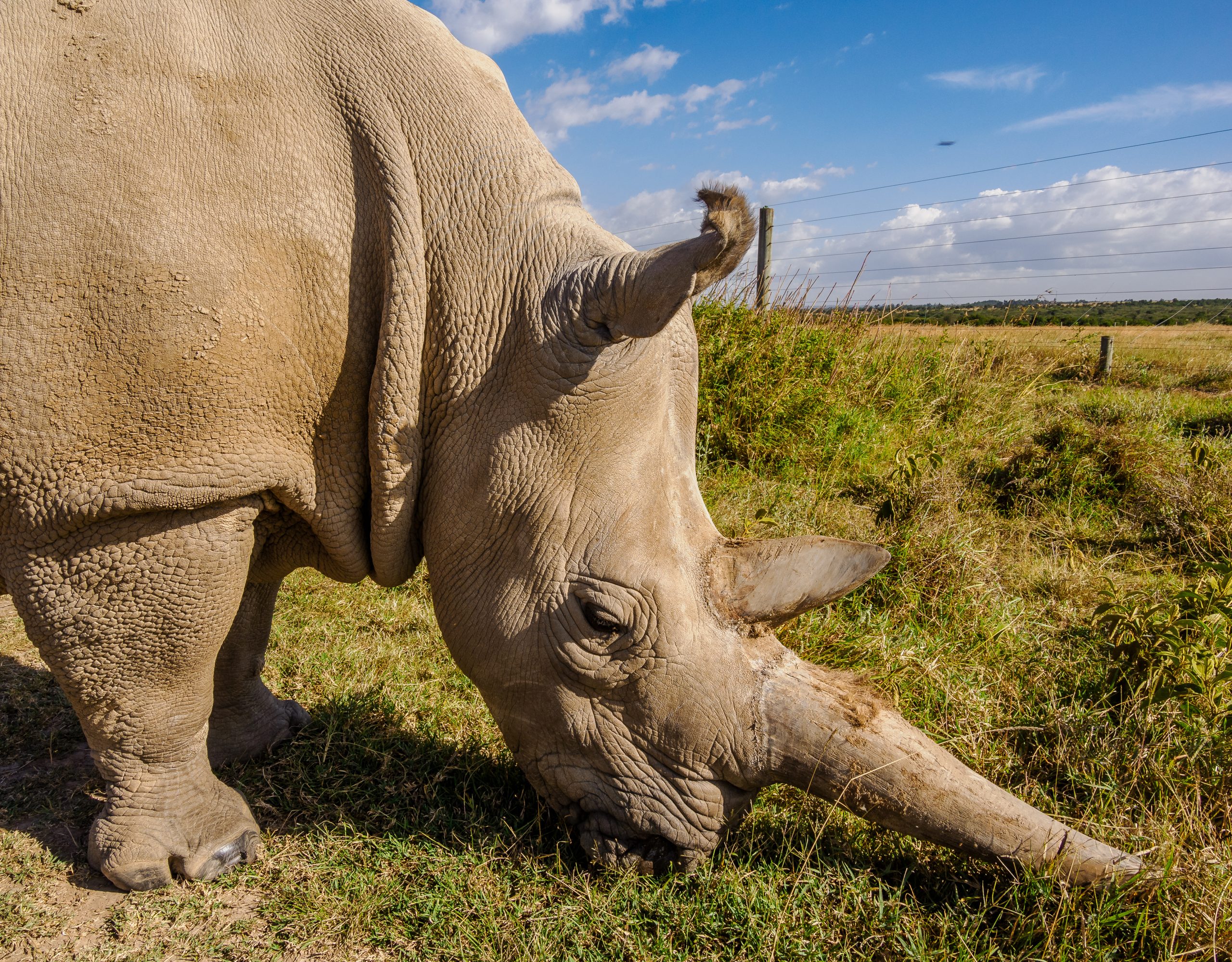
360 km² in Laikipia — the largest black rhino sanctuary in East Africa and home to the world's last two northern white rhinos. When conservation efforts began here, the black rhino was Critically Endangered. Today Ol Pejeta holds over 105 black rhinos — the largest single population in East Africa — through rigorous anti-poaching, habitat management, and a tourism model that benefits surrounding communities directly.
Also on-site: the Sweetwaters Chimpanzee Sanctuary — home to ~40 rescued chimps and the only place in Kenya to see chimpanzees. The Morani Information Centre allows visitors to touch real wildlife artifacts.

Lewa Wildlife Conservancy
'Kenya's Greatest Conservation Success'Originally a cattle ranch — now a UNESCO World Heritage Site (2013) and Kenya's greatest conservation success story. Lewa runs as a non-profit organisation and has game density second only to the Masai Mara. Established by the Craig/Douglas family as a black rhino sanctuary.
Home to Grevy's zebra, sitatunga, oryx, black & white rhino, cheetah and a great diversity of East African big game. Extends to neighbouring ranches — Borana, Loisaba, Sabuk, Ol Malo — offering camel safaris, horse riding, helicopters and 4x4 vehicles across a vast wilderness circuit.
- UNESCO WHS: Designated 2013 — one of only three Kenyan UNESCO wildlife sites
- Game density: Second only to the Masai Mara — on a former cattle ranch
- Grevy's zebra: Key global population of this critically endangered species
- Activities: Camel safaris, horse riding, helicopter game viewing, guided walks
Loisaba Conservancy
57,000 acres of wildlife conservancy in Laikipia, Northern Kenya. Abundant wildlife — elephant, lion, leopard, cheetah — plus exquisite starbed accommodation where you sleep under the open sky on a raised platform, watching elephants and lions pass below. One of Kenya's most extraordinary stays.
Borana Conservancy
Dedicated to sustainable conservation of habitat and wildlife. Haven for buffalo, eland, impala and black rhino. Profit from tourism funds community schools and a mobile clinic serving 200+ local employees and their families. Winner of the Ecotourism Kenya Award for Best Conservancy.
Ol Jogi Conservancy
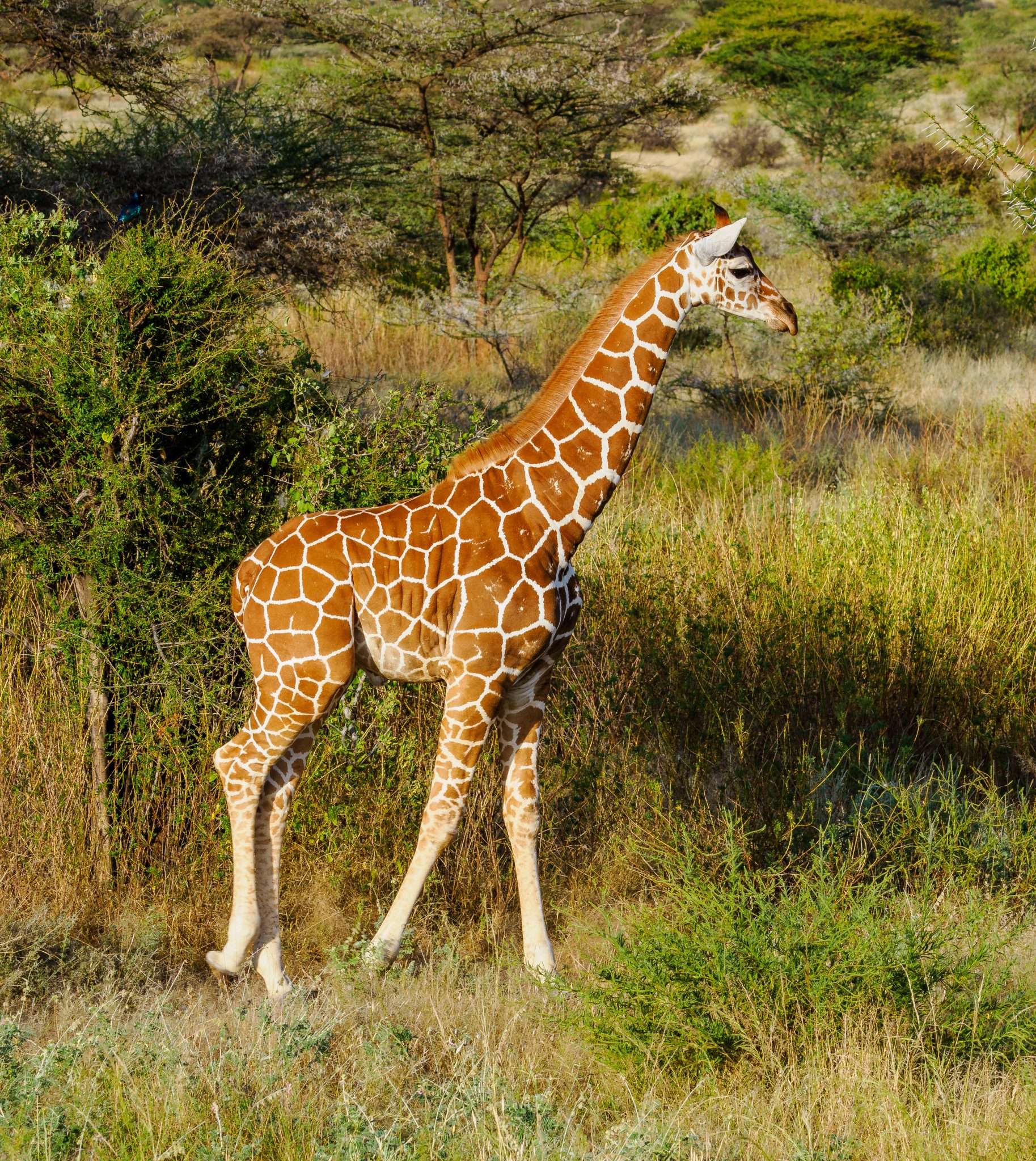
Family-owned for over 40 years. 60,000 acre private conservancy — one of the most remarkable in Africa. Big Five plus African wild dog, Grevy's zebra and reticulated giraffe. Accommodates 4–25 guests — perfect for exclusive family or group buyout. Day & night drives, walking, riding safaris.
Segera Conservancy
Dropped fences and opened migration corridors to transform a cattle ranch into thriving wildlife habitat. 50,000 acres. Lion, leopard, cheetah, hyena, Grevy's zebra, Patas monkeys and wild dogs researched here. New generations of predators every year. Evenings filled with lion calls and hyena whoops.
Solio Ranch / Conservancy
A fenced, privately owned rhino breeding reserve — 17,500 acres, 22km north of Nyeri. Recognised as one of the most successful private rhino breeding reserves in Kenya. Both black and white rhino breed here and are relocated to other reserves to replenish declining populations.
Laikipia Nature Conservancy (Ol Ari Nyiro)
365 km² on the edge of the Great Rift Valley — one of Kenya's largest private reserves. Critical water catchment for Lake Bogoria and Lake Baringo. Part of the Eastern Afromontane Biodiversity Hotspot. Harbours irreplaceable flora and fauna of the Laikipia Plateau and Rift Valley escarpment.
Namunyak Wildlife Conservancy
Northern frontier Kenya — 850,000 acres of pristine Mathews Range wilderness. Elephant, leopard, reticulated giraffe, wild dog and kudu in ever-increasing numbers alongside the Samburu people and their age-old traditions including the famous 'singing wells'. Home to Reteti Elephant Sanctuary — rescuing and releasing orphaned elephant calves.
Mount Kenya Wildlife Conservancy & Animal Orphanage
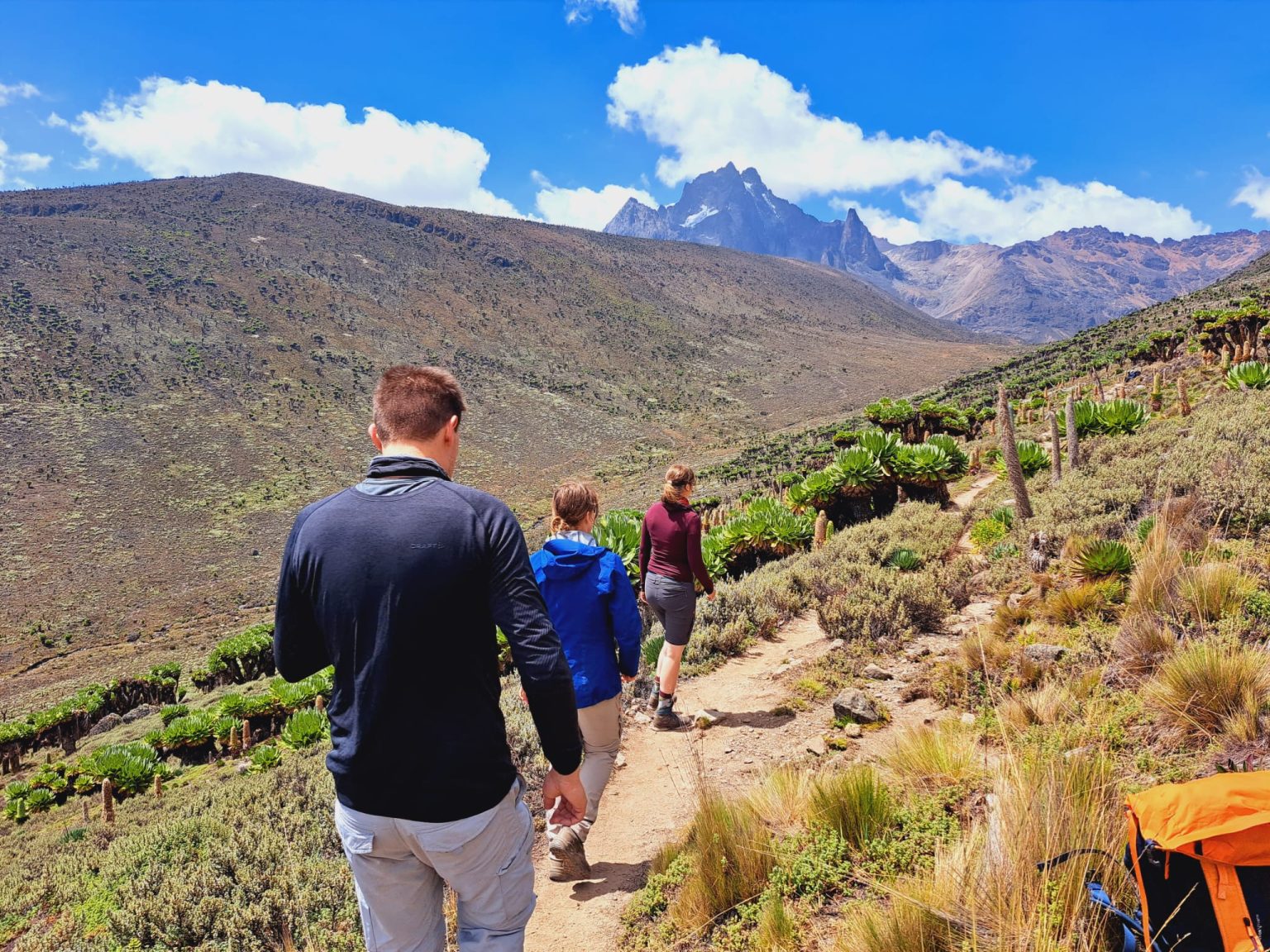
Works to prevent the extinction of the unique wildlife of Mount Kenya and beyond. Rescues and nurses wild creatures. Breeds endangered species for rehabilitation back to their ancestral homes in the Mount Kenya ecosystem. An inspiring model of how ex-situ conservation contributes to long-term survival.
Tsavo & Taita Taveta Conservancies
Three conservancies adjacent to or within the Tsavo ecosystem — adding night drives, walking safaris and exclusive access to landscapes adjacent to one of the largest parks in the world.
 Community Sanctuary
LUMO Community Wildlife Sanctuary
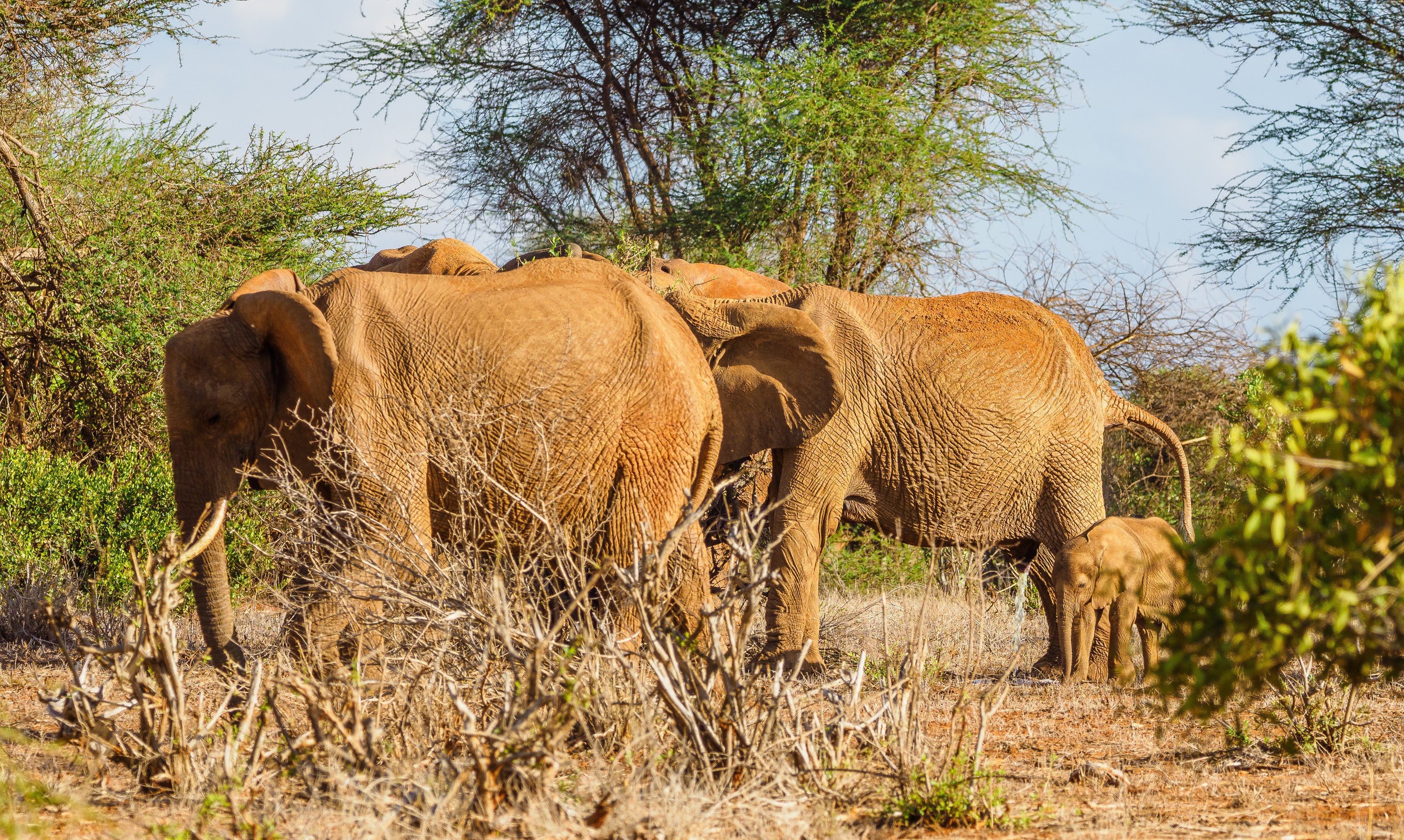
Community-owned sanctuary in Taita-Taveta County, 220km from Mombasa, covering 48,000 acres. Adjacent to Tsavo West National Park. Home to the full complement of Big Five — cape buffalo, elephant, leopard, Maasai lion — plus giraffe, zebra, hartebeest, impala and exceptional birdlife.