
Meet the people whose name the Mara carries
Visit a Maasai or Samburu village near your safari camp - see a boma, join the jumping dance, and learn what the beadwork means.
Cattle-herding people, still living as they always have
The Maasai and their close relatives the Samburu are among East Africa's oldest tribes. Cattle and goats sit at the centre of their life, economically and spiritually.
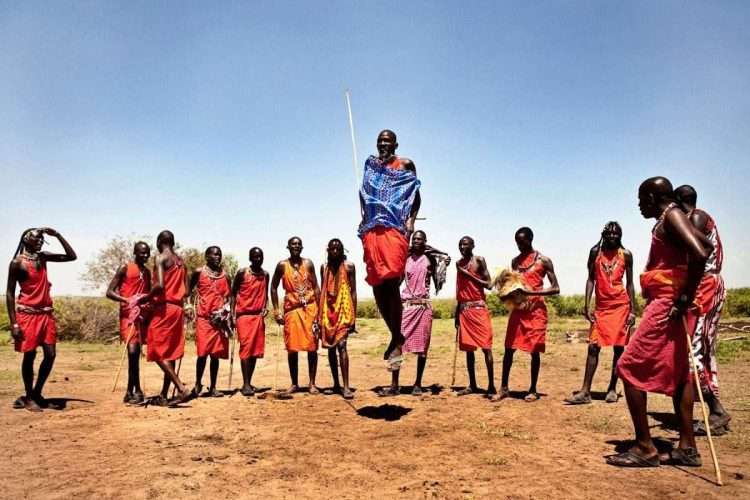
Men trained as warriors wear bright red shukas and once protected their herds from predators. Both men and women wear hand-made beaded jewellery that signals status and skill.
Add a village visit to my safari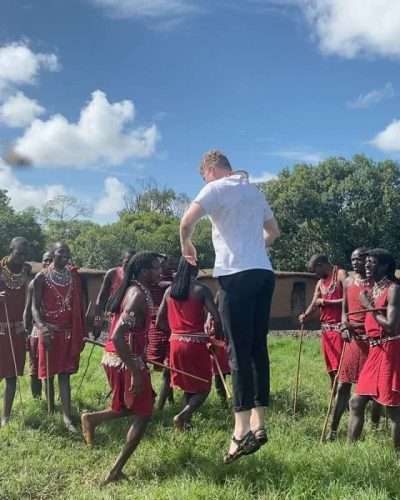
The boma - built by hand, home to a whole family
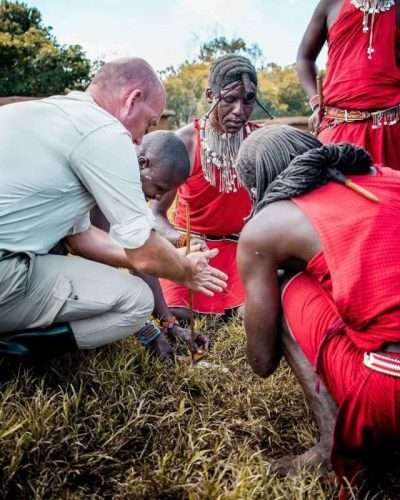
Women build the bomas from poles and branches, sealed with a mix of mud, grass, dung and ash. At just 1.5m high, you'll need to stoop to enter - yet a whole family eats, sleeps and lives inside.
Men build the thorn-branch corrals and fencing that keep livestock safe from lions and other predators at night.
The jumping dance, and jewellery that tells a story
The adumu, or jumping dance, has warriors leap as high as they can in a circle powered by call-and-response singing - a display of strength, and visitors are often invited to join in.
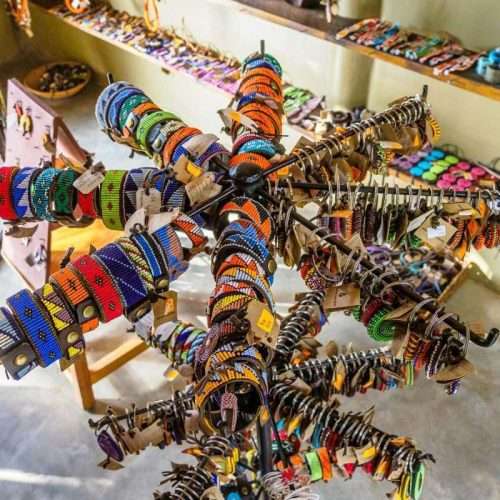
Beaded jewellery, worn by both men and women, carries meaning in every colour - status, beauty, strength and purity. Pieces are usually available to buy directly, supporting the village.
Available near three of our most popular parks
Let your guide know when you'd like to visit, and they'll arrange the stop.
Village visits - your questions answered
How much does a village visit cost?
$25 per person, paid directly to the village chief. Arrange it with your safari driver-guide - no advance booking needed.
Which parks offer village visits?
Masai Mara, Amboseli and Samburu - all have Maasai or Samburu villages nearby that welcome safari visitors.
What will I see inside a boma?
A traditional home built from poles, mud, grass, dung and ash - just 1.5m high. Family life, cooking and sleeping all happen within this single structure.
Can I join the jumping dance?
Often, yes - visitors are commonly invited into the circle during the adumu, the traditional jumping dance performed by Maasai warriors.
Is the Samburu culture different from the Maasai?
Samburu are traditional cousins of the Maasai, with a similar pastoral lifestyle centred on cattle - though not as widely known internationally.
Can I buy jewellery at the village?
Yes - beaded jewellery is an important source of income for Maasai families, and pieces are usually available to purchase directly during your visit.