
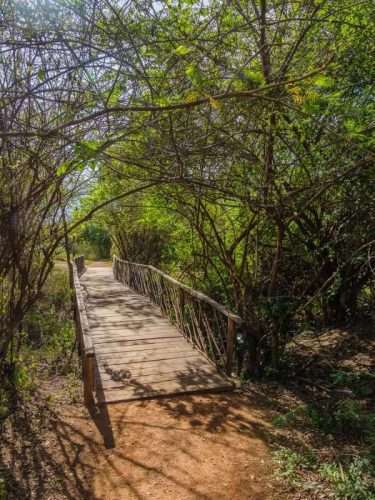
Leave more behind than footprints
Plant a native tree during your safari and help restore forests that support the wildlife you came to see - up to 80% of the Masai Mara's tree cover has already been lost.
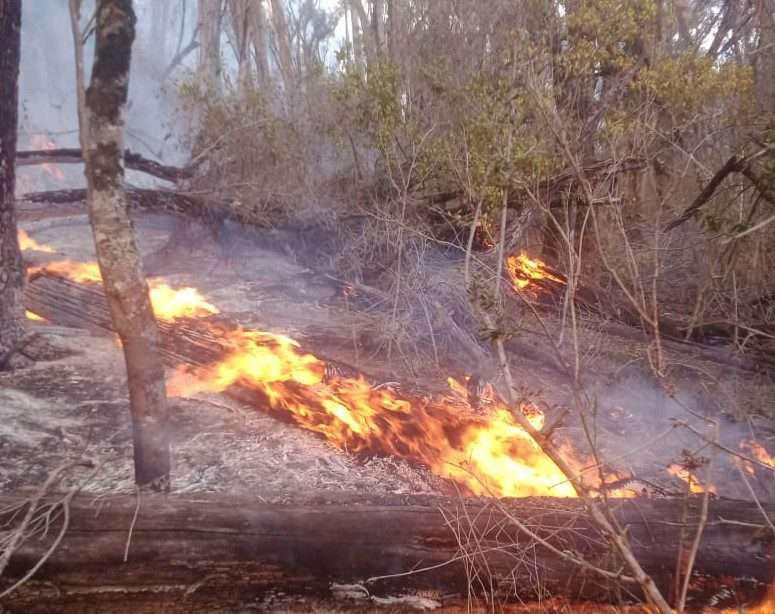
The wildlife you're here to see depends on these trees
Kenya's acacia forests, baobab groves, sycamore figs and mangroves protect the land, air and water - and the wildlife and communities that depend on them.
Climate change, deforestation, wildfire and disease have all taken a toll. In the Masai Mara alone, up to 80% of tree cover has disappeared, leaving predators with less cover to raise their young and grazers with less to eat.
Add tree planting to my safari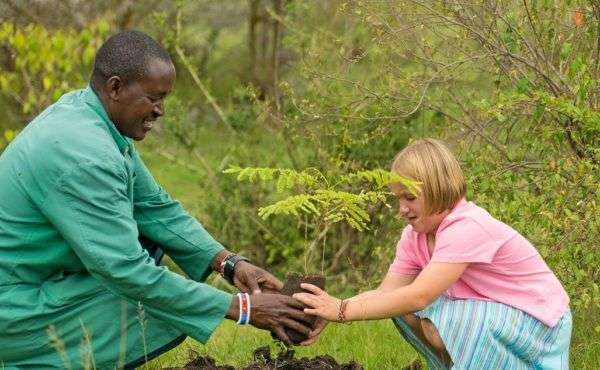
A small amount of your safari day, real impact
Many of our eco-rated lodges and tented camps run tree-planting programmes guests can join - planting native trees, collecting seeds, clearing invasive species, composting or mulching.
Some locations offer community events too, planting alongside local villages or schools. Just tell us when booking that you'd like to take part.
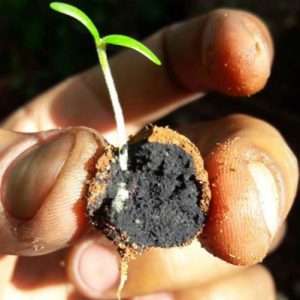
Seedballs - "just throw and grow"
A seed encased in charcoal dust and a nutrient-rich binder, distributed on the ground and from the air across Kenya. The coating protects the seed from rodents, birds and heat until rain triggers germination.
It's a low-cost, large-scale way to reseed damaged land - the charcoal shell holding the seed safe until the rains finally come.
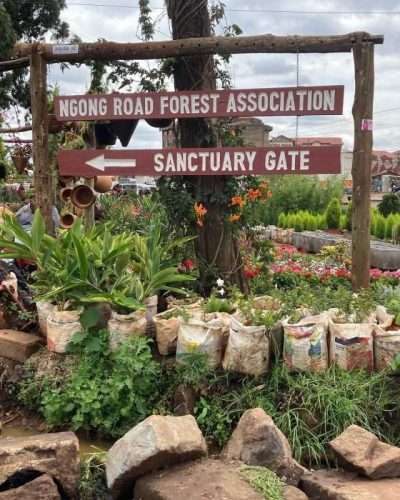
Karura and Ngong Road Forests - urban restoration
You don't need to be deep in the bush to help. Karura Forest, on Nairobi's edge, runs an indigenous tree nursery cultivating 100,000 seedlings, and its active planting programme has revived acres of the park over recent decades.
Ngong Road Forest is now beginning similar work. If you have time in Nairobi before or after your safari, we can arrange a planting session at either location.
Optional, flexible, and yours to shape
Tree planting isn't automatically included in any package, but it's an easy add-on to almost any itinerary.
Tree planting on safari - your questions answered
Is tree planting included in my safari package?
Not automatically - it's an optional add-on. Let us know when booking and we'll build it into your itinerary at a lodge, conservancy, or Nairobi forest.
What kind of trees will I plant?
Indigenous species suited to the specific ecosystem - acacias on the savannah, hardwoods in forested regions - chosen for the best chance of survival and ecological benefit.
Can I plant trees in Nairobi if I don't have safari time for it?
Yes - Karura Forest and Ngong Road Forest, both on Nairobi's edge, run active planting programmes you can join before or after your safari.
Is there a specific season for tree planting?
No - it's available year-round and can be timed to fit your itinerary, whenever your safari takes place.
Why is tree cover important to the wildlife I'll see?
Trees provide food, shade and cover for young predators, and support the broader ecosystem grazers depend on. Areas like the Masai Mara have lost significant tree cover, putting added pressure on wildlife.
Does tree planting benefit local communities too?
Yes - many programmes involve nearby villages and create local employment, so the environmental and economic benefits go hand in hand.