Kenya's national parks — a park for every wish
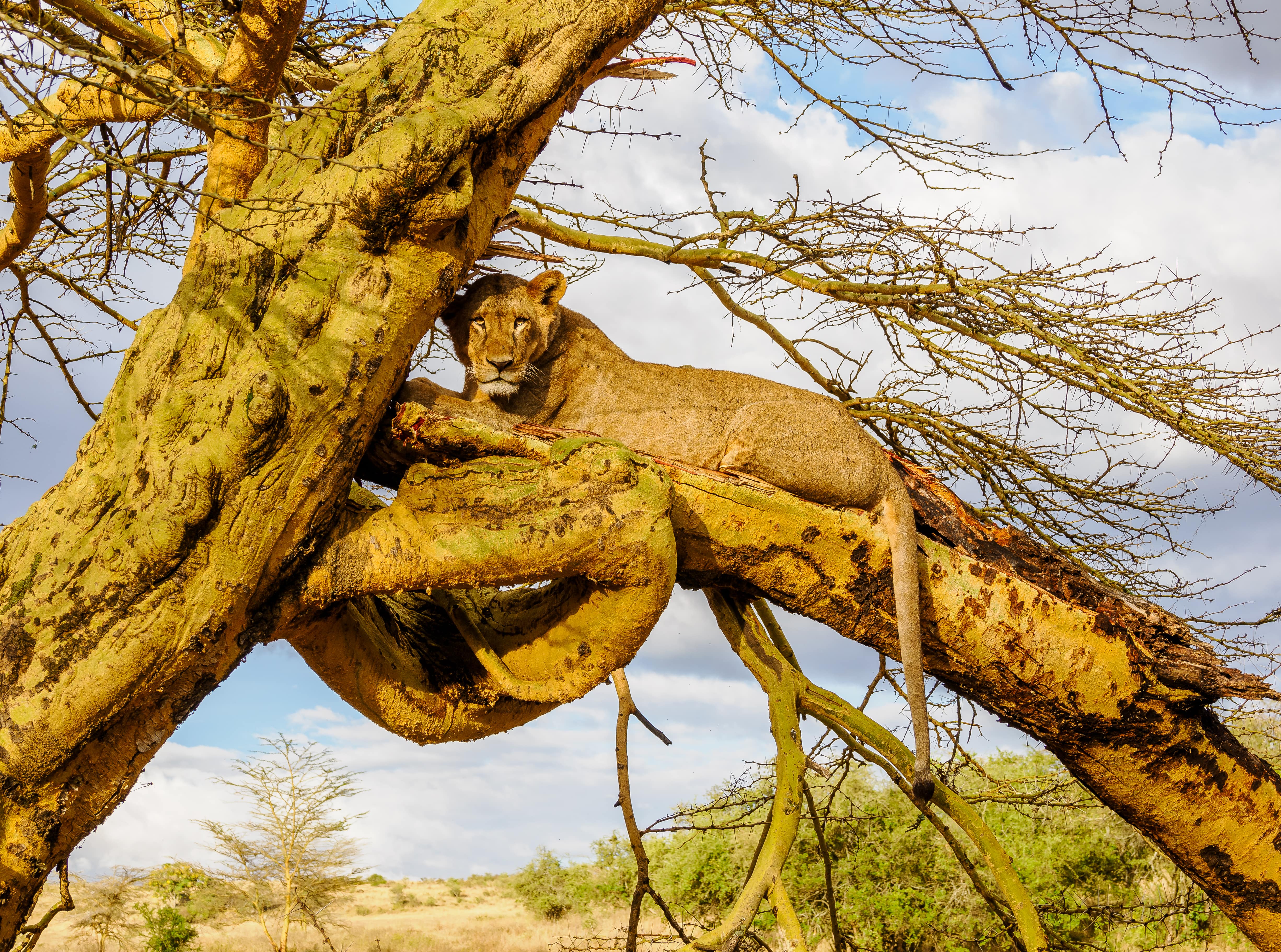
From lions on the Mara to dolphins off the reef, from glaciers on the equator to flamingo lakes in the Rift Valley — Kenya's 22 national parks, 28 reserves and dozens of private conservancies protect some of the most extraordinary places on Earth.
National Parks & Game Reserves
Masai Mara National Reserve
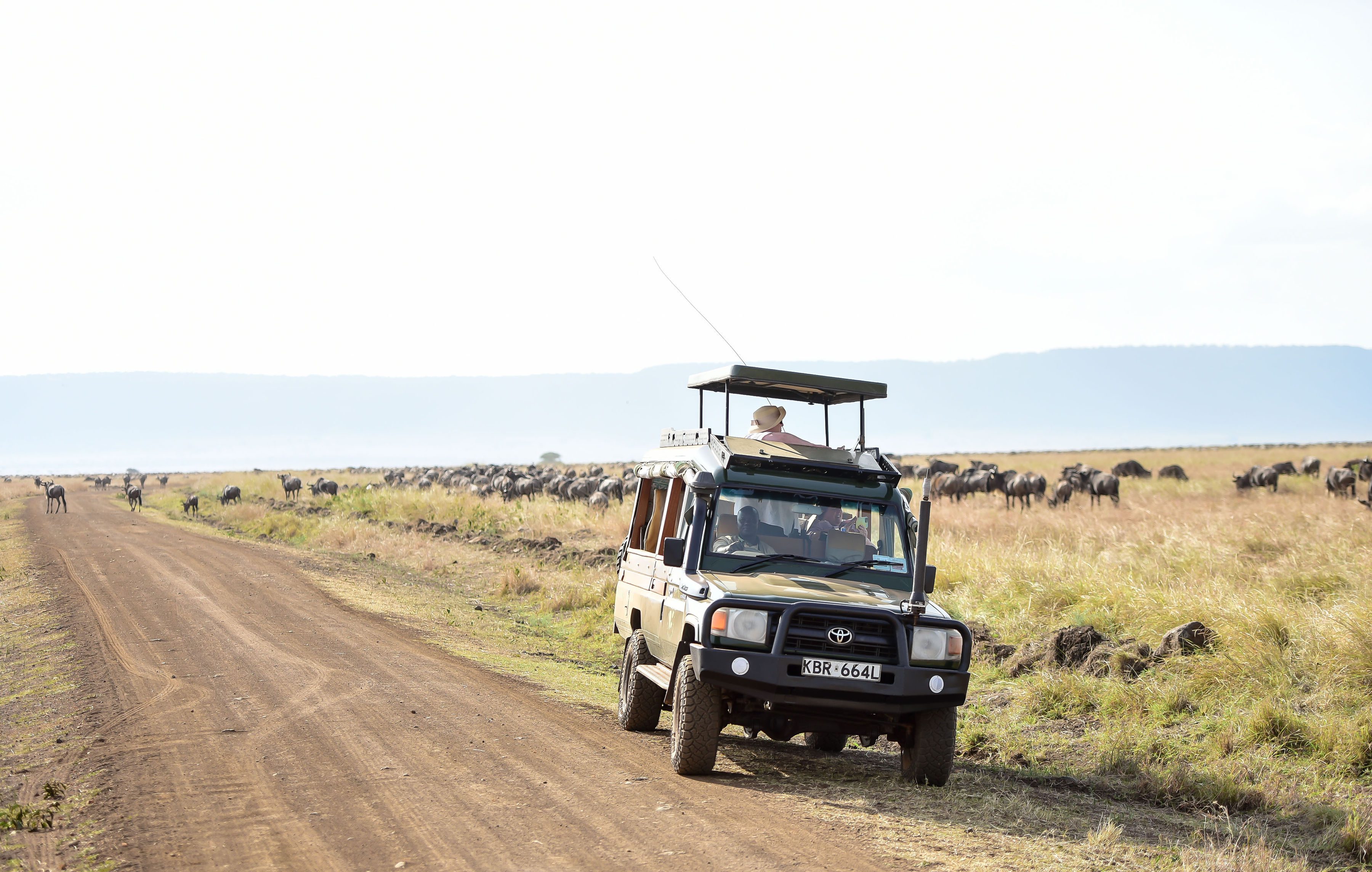
The densest concentration of lions in the region. The most filmed wildlife landscape on Earth. Home to the Great Migration — when up to 2 million wildebeest, zebra and gazelle flood across the Mara River from Tanzania's Serengeti every July to October. This is where safari was born, and this is still where it is at its absolute best.
- Location: Southern Kenya, Great Rift Valley — borders Serengeti, Tanzania
- Best for: Big Five, Great Migration river crossings, Maasai culture, hot air balloon at sunrise
- Key wildlife: Lion, leopard, cheetah, elephant, buffalo, hippo, wildebeest (seasonal), zebra
- Ecosystem: Part of the 30,000 km² Mara-Serengeti trans-boundary ecosystem — larger than Belgium
Nairobi National Park
Incredible. Within direct sight of downtown Nairobi's skyscrapers, lions, leopard, buffalo, giraffe and both species of rhino roam freely — minutes from the city. The only national park on Earth inside a capital city.
- Location: Nairobi city boundary — 7km from the CBD
- Key wildlife: Black & white rhino, lion, leopard, cheetah, giraffe, buffalo, 400+ bird species
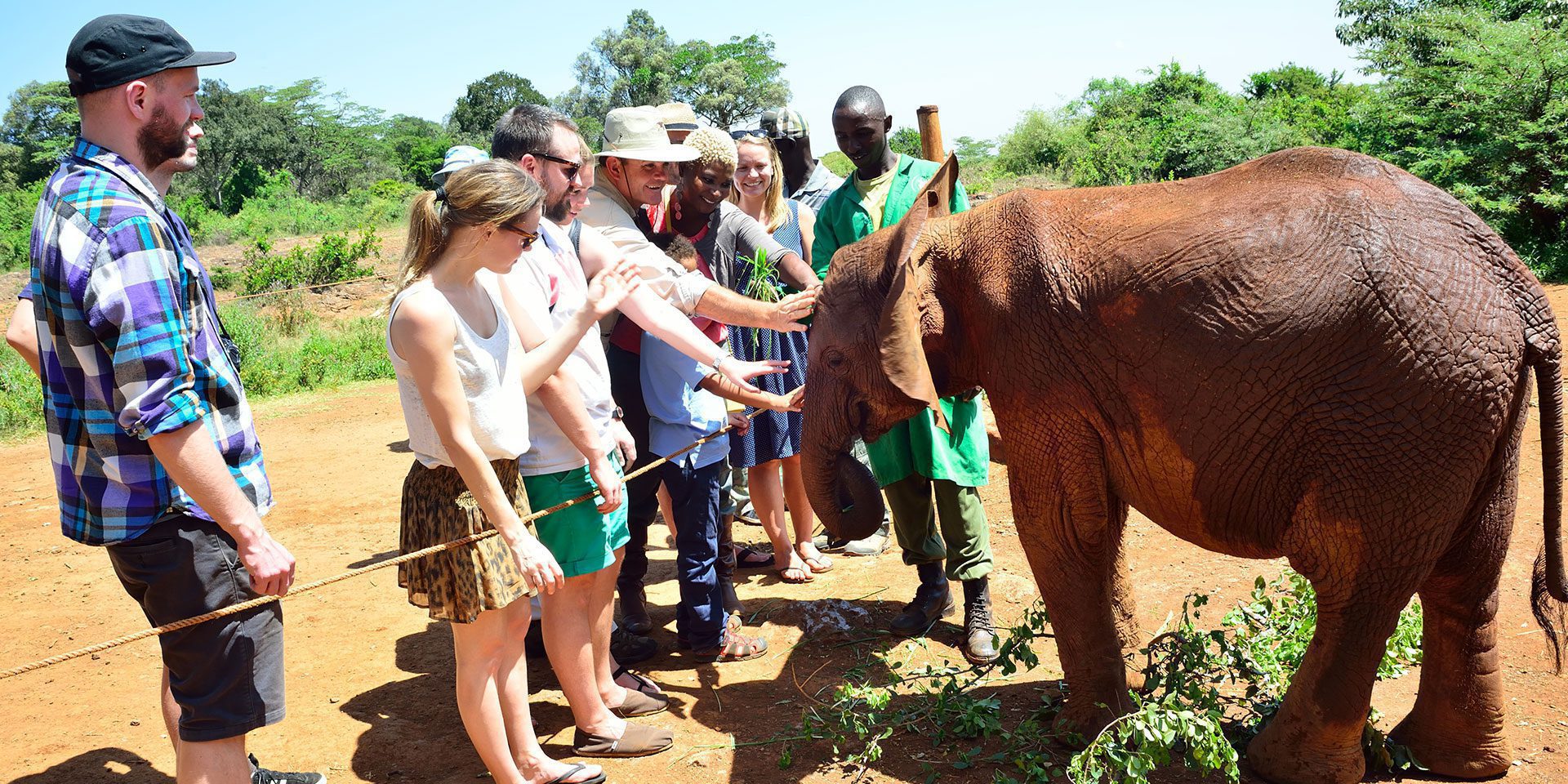
- Also on-site: David Sheldrick Wildlife Trust (elephant orphanage) • Nairobi Safari Walk
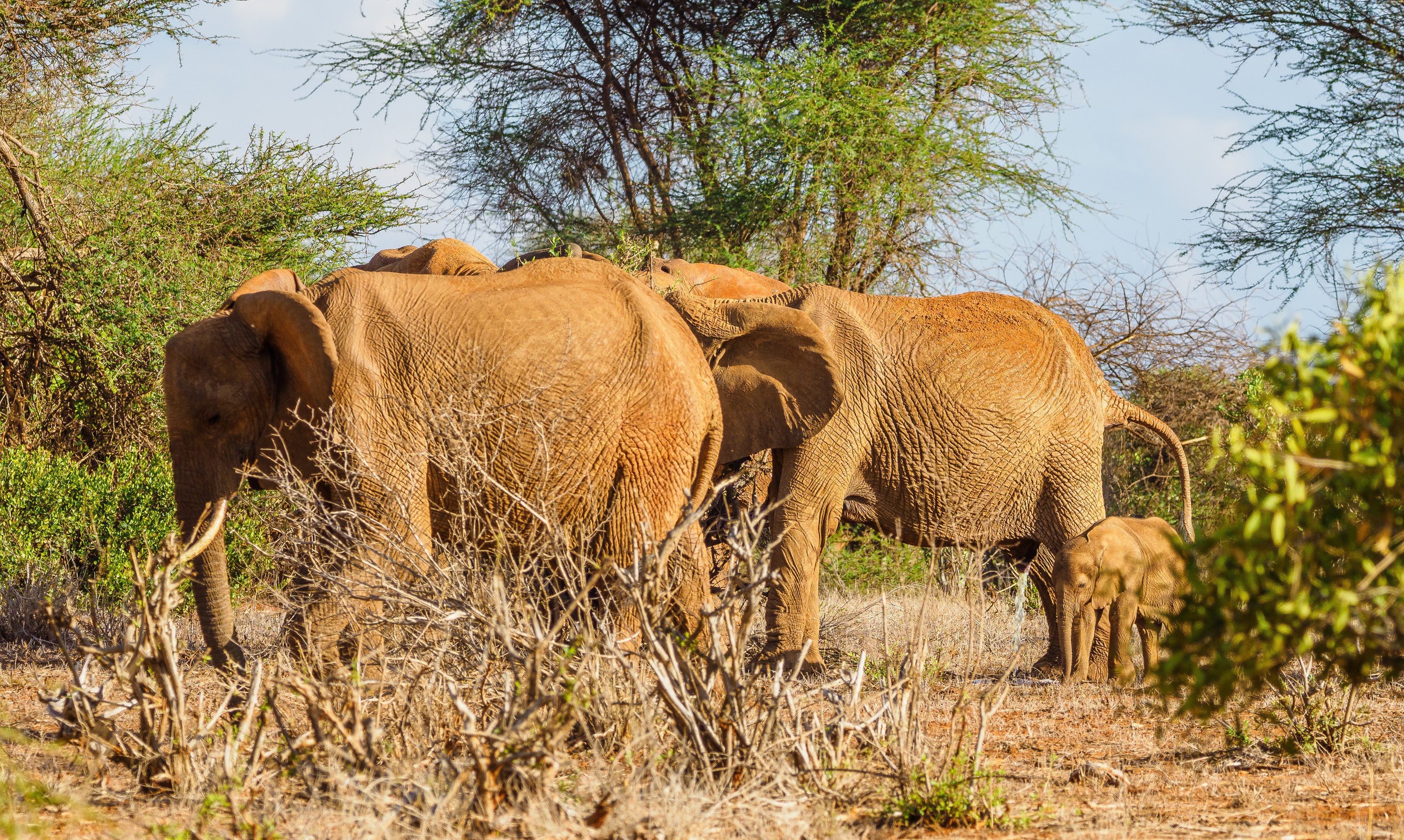
Tsavo East National Park
Kenya's biggest open secret. Tsavo East is almost the size of Northern Ireland — yet far fewer tourists visit than the Mara, making it one of the most authentically uncrowded safari destinations in Africa. Famous for its red-dust elephants, stained by the iron-rich laterite soil, who travel in some of the largest free-roaming herds on the continent.
- Location: South-eastern Kenya, east of Nairobi–Mombasa highway
- Elephants: Over 12,000 — Kenya's largest population in a single ecosystem
- Special features: Yatta Plateau (world's longest lava flow) • Lugard Falls • Mudanda Rock
- Combined with Tsavo West: 22,812 km² total — larger than all of Wales
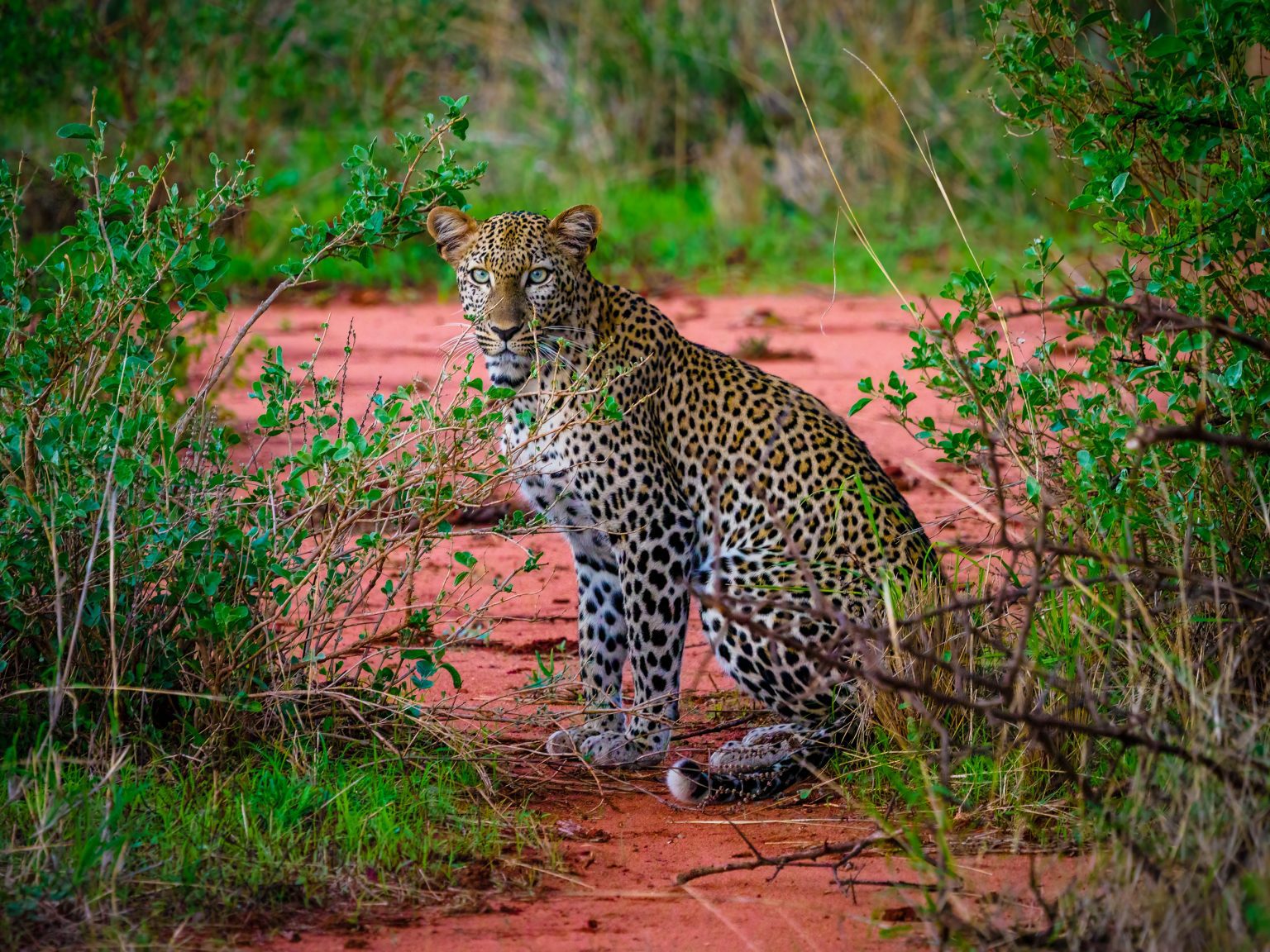
Tsavo West National Park
More dramatic than Tsavo East — volcanic landscape, lava flows, the crystal-clear Mzima Springs bubbling up from lava filters, and the legendary man-eating lions immortalised in the film The Ghost and the Darkness. Superb leopard country.
- Location: South-eastern Kenya, west of Nairobi–Mombasa highway
- Size: 9,065 km² — roughly the size of the island of Cyprus
- Mzima Springs: 50 million litres of crystal-clear water daily — observe hippo & crocodile from underwater observation window
- Rhino: Ngulia Rhino Sanctuary within the park — fenced protection for black rhino
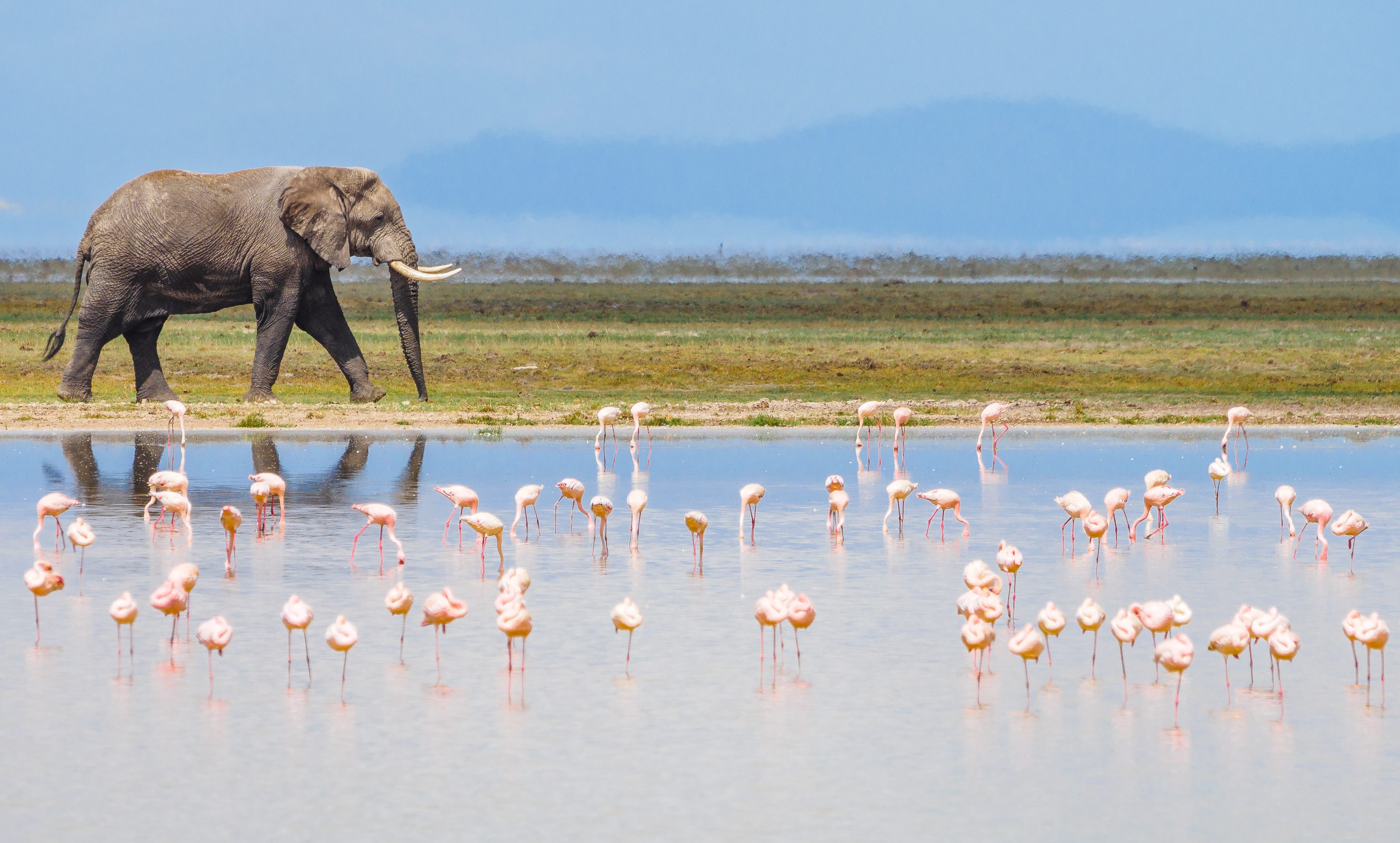
Amboseli National Park
The most photographed scene in Africa: enormous free-roaming elephant herds crossing the swamps of Amboseli with the snow-capped peak of Kilimanjaro rising 5,895m directly behind them across the Tanzanian border. The elephant population here has been continuously studied since 1972 by the Amboseli Elephant Research Project.
- Location: Southern Kenya, Kenya–Tanzania border — Kilimanjaro on the horizon
- Elephants: ~1,500 in the most studied free-roaming population in the world
- UNESCO: Designated Biosphere Reserve 1991
- Altitude: 1,150m — springs fed by Kilimanjaro snowmelt keep the park green year-round
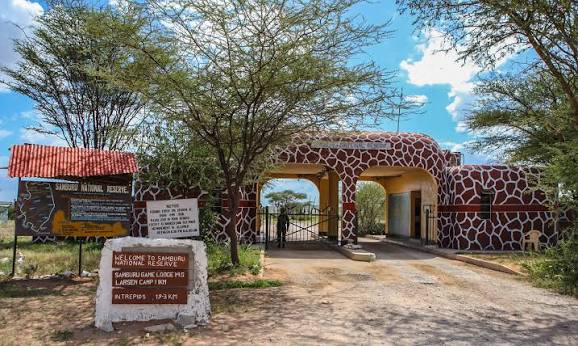
Samburu National Reserve
Home to the Samburu Special Five — species found here that you won't see in Kenya's southern parks: reticulated giraffe, Grevy's zebra, Beisa oryx, gerenuk and Somali ostrich. This wild, semi-arid northern landscape is also where nearly 1,000 elephants roam and where ivory from seized poachers was dramatically burned by the government.
- Location: Rift Valley Province, northern Kenya — Ewaso Ngiro River
- Unique species: The "Samburu Special Five" — found nowhere else in Kenya's main safari circuit
- Culture: Samburu people (distinct from Maasai) living in direct proximity to wildlife
- Combined ecosystem: Links to Buffalo Springs and Shaba National Reserves
Lake Nakuru National Park
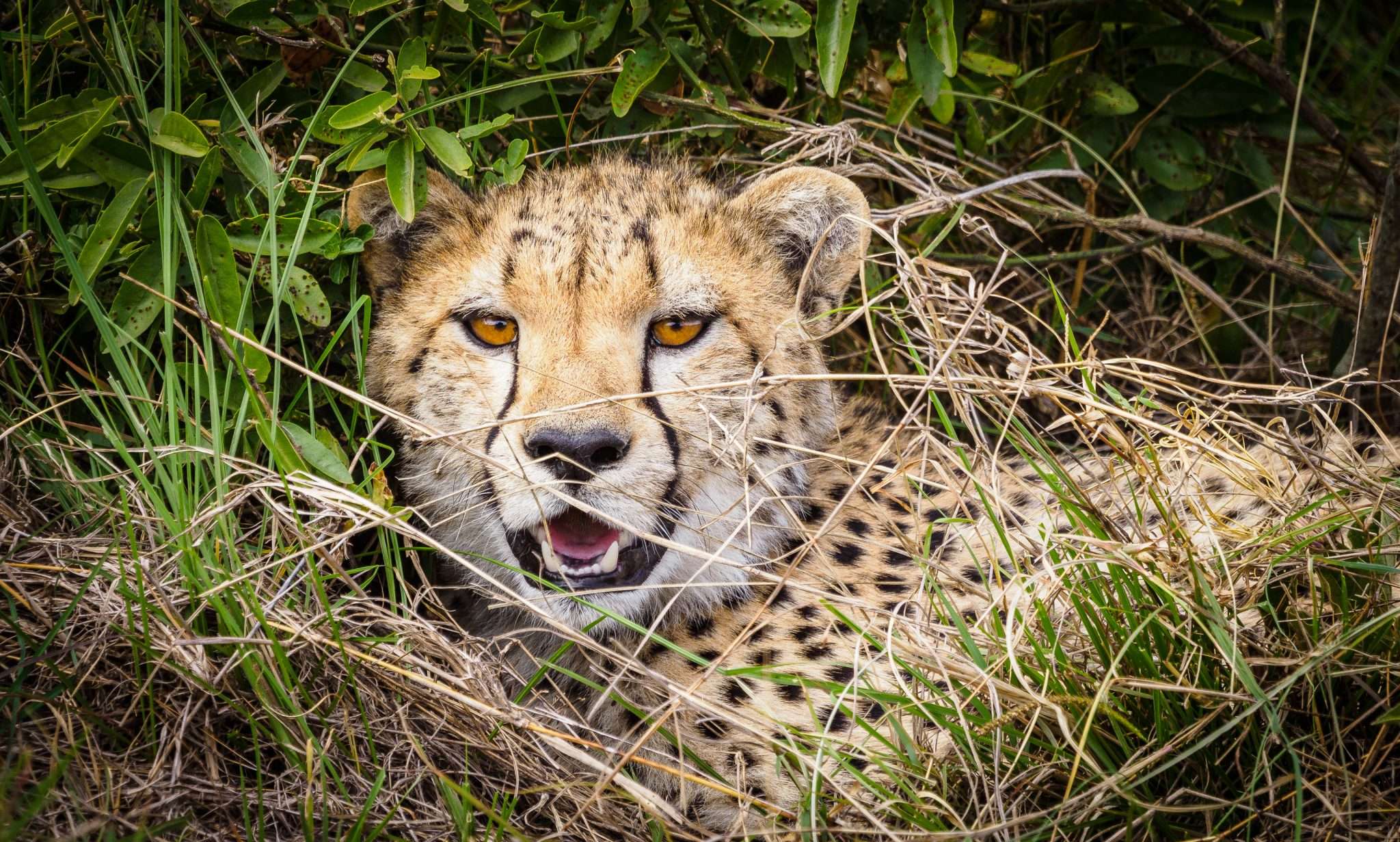
A soda lake that turns pink with up to one million flamingos — one of the world's greatest ornithological spectacles. The park is also a fenced sanctuary for both endangered black rhino and white rhino, making it one of Kenya's most reliable rhino-viewing destinations.
- Location: Great Rift Valley, Central Kenya — 160km from Nairobi
- Flamingos: Up to 1 million lesser and greater flamingos on the lake surface
- Rhino: Both black and white rhino inside a fully fenced sanctuary
- Also: Rare Rothschild giraffe • large herds of Cape buffalo • leopard

Lake Naivasha
Kenya's most accessible freshwater lake — world-famous for extraordinary birdlife. Boat trips at dawn reveal hippo pools, fish eagles and hundreds of species at the water's edge. Crescent Island (walk among giraffe and zebra on foot) and the adjacent Hell's Gate make this a full-day destination from Nairobi.
- Location: Great Rift Valley, 90km from Nairobi
- Birds: 400+ species including African fish eagle (Kenya's national bird)
- Wildlife: Hippo, zebra, giraffe, buffalo, colobus monkey, waterbuck
- Activities: Boat safari, Crescent Island walking safari, cycling at Hell's Gate NP
Hell's Gate National Park
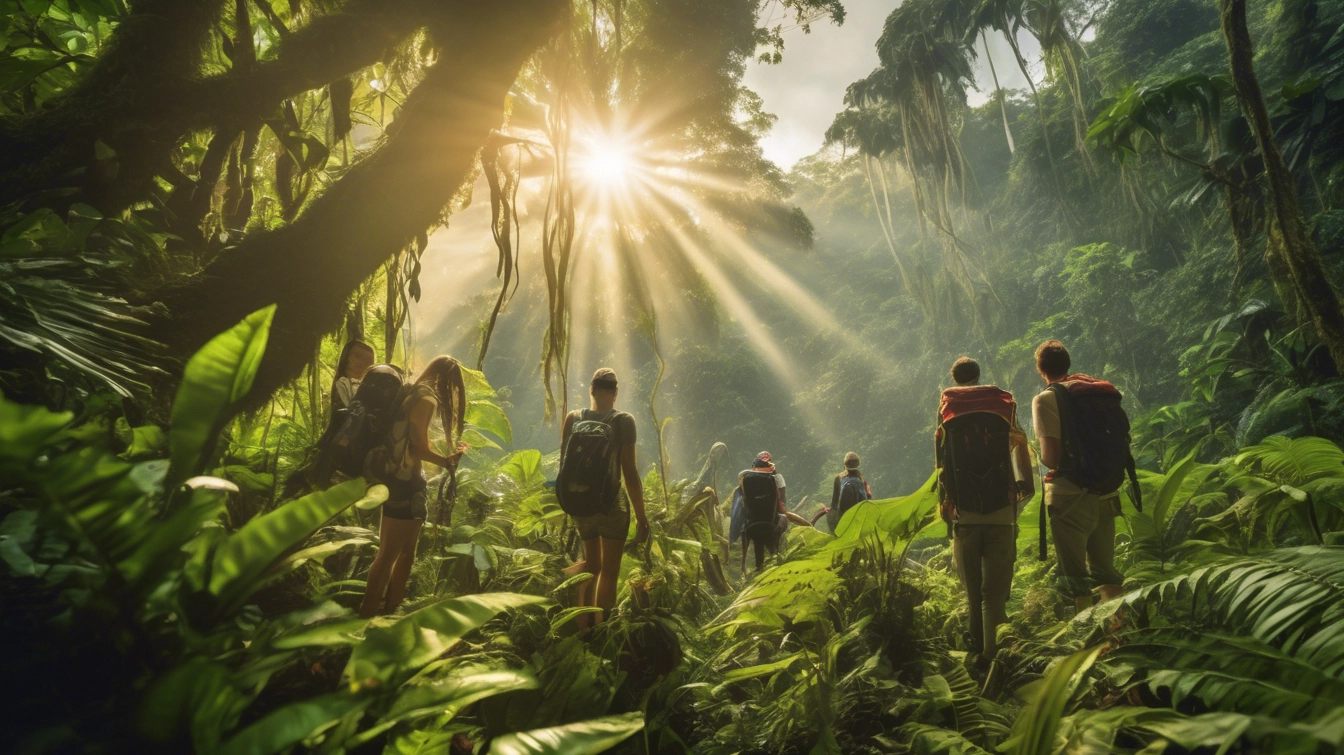
The only park in Kenya where you can cycle or walk among the wildlife — no vehicle required. Dramatic volcanic gorges, geothermal activity, geysers and towering cliffs inspired the landscape of Disney's The Lion King.
- Location: Adjacent to Lake Naivasha, Rift Valley
- Activities: Mountain biking, guided walking, rock climbing, geothermal spa at the gorge
- Wildlife: Zebra, giraffe, gazelle, baboon — without a vehicle, fully on foot
- Geology: Active geothermal landscape — part of East Africa's geothermal energy system
Aberdares National Park
Cool, misty and completely different to what most people picture as African safari. A paradise of waterfalls, thick bamboo forest, mountain streams and dramatic moorland — where elephant, black rhino, giant forest hog and bongo (one of Africa's rarest antelopes) move through the forest canopy. The famous Treetops lodge — where a young Princess Elizabeth became Queen — sits within the Aberdares.
- Location: Central Kenya highlands, 175km north of Nairobi
- Altitude: 2,000–4,000m — temperatures typically 5–22°C
- Rainfall: 1,000–3,000mm annually — green year-round
- Special: Treetops Lodge — where Princess Elizabeth became Queen in 1952
Mount Kenya National Park & Forest Reserve
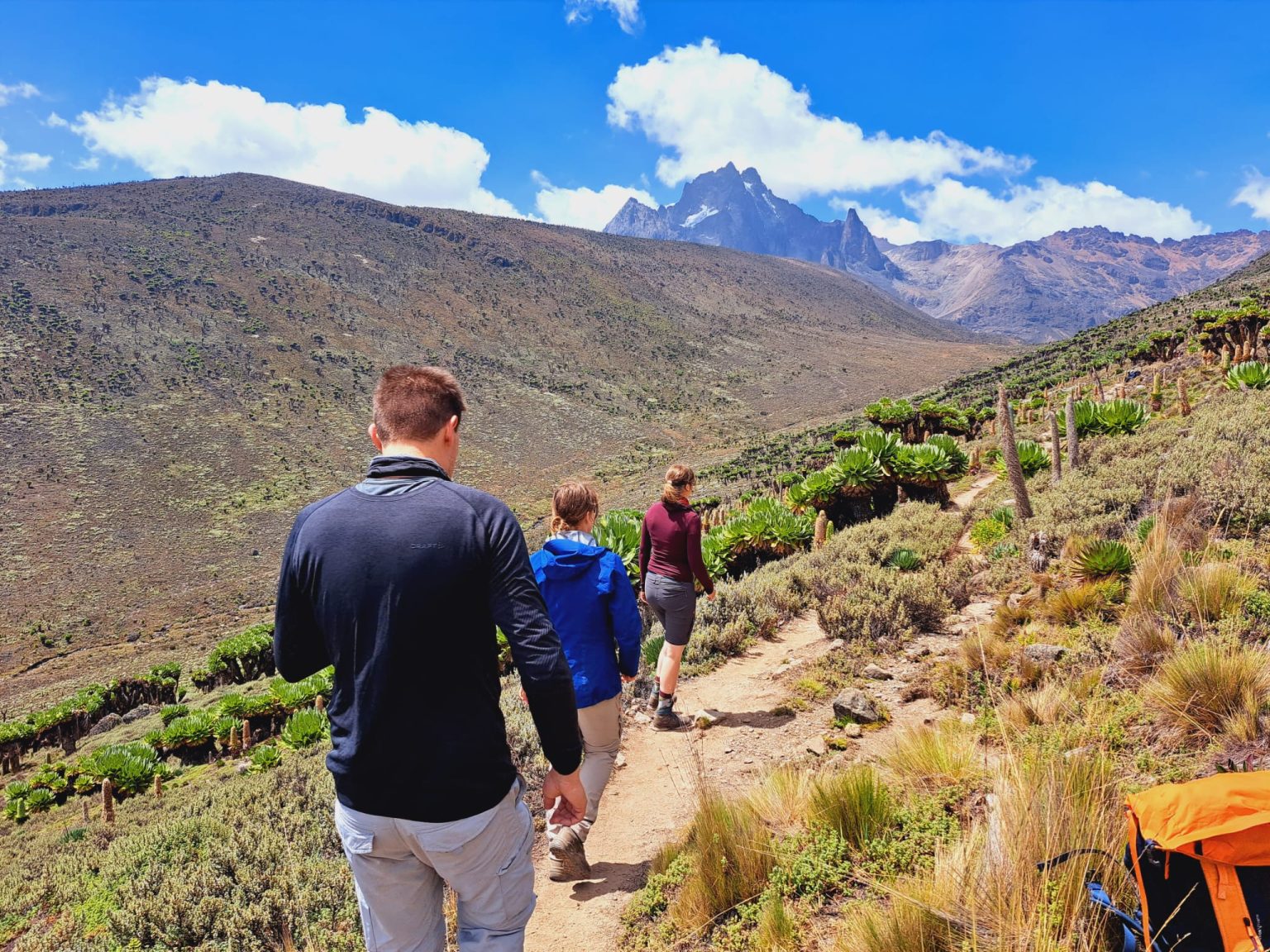
Africa's second-highest mountain. A UNESCO World Heritage Site. An extinct volcano that straddles the equator — and still has glaciers. Five distinct ecological zones from equatorial rainforest to arctic peaks. The summit (Batian, 5,199m) is a technical climb; Point Lenana (4,985m) is a tough but achievable multi-day trek.
- Summit: Batian — 5,199m (Africa's 2nd highest); Point Lenana — 4,985m (trekking summit)
- UNESCO: World Heritage Site since 1997
- Wildlife: Elephant, buffalo, giant forest hog, colobus monkey, bongo on lower slopes
- Unique: Snow on the equator — glaciers at 0° latitude, visible from the Indian Ocean coast

Lake Bogoria National Reserve
A volcanic lake near the equator with bubbling hot springs and erupting geysers along its shores — and a surface that turns pink with hundreds of thousands of lesser flamingos. The extraordinary geology and birdlife make this one of Kenya's most visually dramatic — and most underrated — parks.
- Location: Great Rift Valley, 240km north-west of Nairobi
- Designation: Ramsar Wetland of International Importance
- Hot springs & geysers: Active geothermal vents erupt from within and along the lake shore
- Greater kudu: One of the best places in Kenya to see this rare, magnificent antelope
Meru National Park
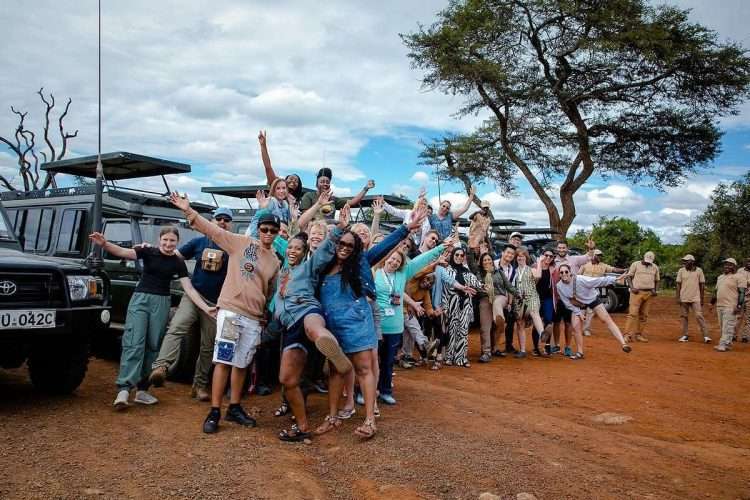
This is where Joy Adamson of Born Free released Elsa the lioness back into the wild — and where the spirit of that story still lives. Rivers, jungle, rolling green hills and all the Big Five, virtually empty of tourists. One of Kenya's most pristine and authentic safari experiences, loved by those who find the Mara too busy.
- Location: North-eastern lowlands, below the Nyambene Hills — 350km from Nairobi
- Wildlife: Big Five including reintroduced black & white rhino, wild dog, striped hyena
- Rivers: 15 permanent rivers cross the park — unusual richness for a savannah ecosystem
- Tourism: Very low visitor numbers — one of Kenya's most uncrowded parks
Shimba Hills National Park
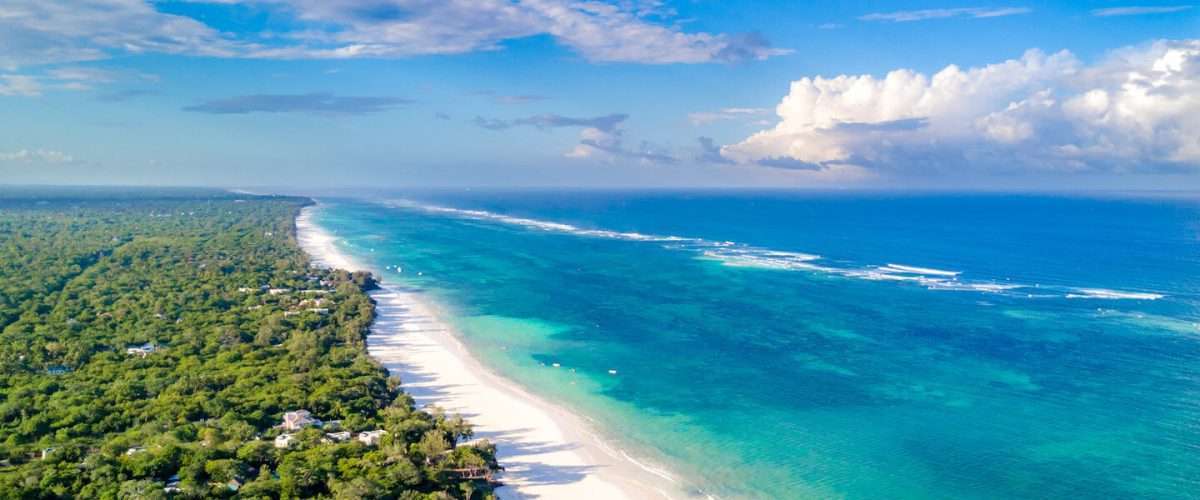
Kenya's coastal forest reserve, perfect for combining with Diani Beach. Famous as the last stronghold of the sable antelope in Kenya — one of Africa's most magnificent animals. An elephant corridor connects Shimba to Mwaluganje Forest to the north, allowing free movement of a significant elephant population through a coastal landscape completely unlike the savannah parks.
- Location: 33km south-west of Mombasa — easy half-day from Diani Beach
- Sable antelope: Kenya's only remaining wild sable antelope population
- Elephant corridor: Links with Mwaluganje Forest — forested hills unusual for coast
- Atmosphere: Cool, misty forest — dramatic contrast to the beach 30 minutes away
Kakamega Forest Reserve
Kenya's only tropical rainforest — a surviving fragment of the Guineo-Congolian equatorial forest that once covered central Africa. Walking through its dense canopy fills your ears with birdsong, chattering monkeys and croaking frogs. Butterflies fill the air. This is ancient Africa, undisturbed — and completely unlike anywhere else in Kenya.
- Location: Western Kenya, near Kisumu — 50km north of Kisumu
- Ecology: Last remnant of the Guineo-Congolian rainforest in Kenya — irreplaceable
- Primates: De Brazza's monkey, blue monkey, black-and-white colobus, baboon
- Birds: 367 species including 30+ found only in this forest in Kenya
Kisite-Mpunguti Marine Park & Reserve
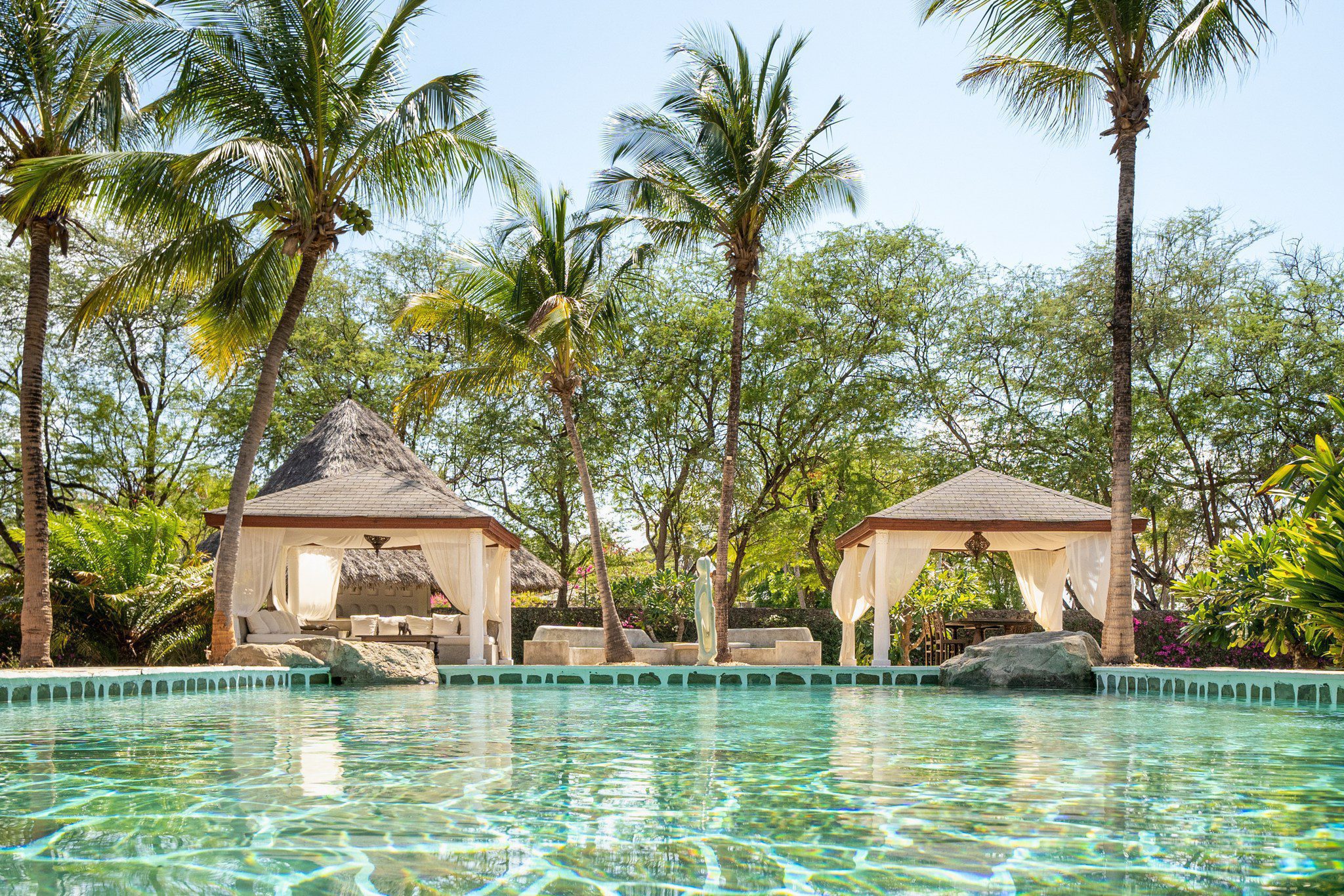
Snorkel and dive with spinner dolphins and sea turtles above an immense coral barrier reef — sometimes called the rainforest of the sea. 6km from the Kenya coast at Shimoni, just 8km from the Tanzanian border. One of the finest marine reserves in East Africa, often accessed from Diani Beach.
- Location: South Kenya coast, Shimoni — 80km south of Mombasa
- Dolphins: Spinner, bottlenose and Indo-Pacific humpback dolphins common year-round
- Coral: Over 56 coral species including brain, staghorn and table corals
- Turtles: Green and hawksbill sea turtles nesting on the islands
Watamu Marine National Park
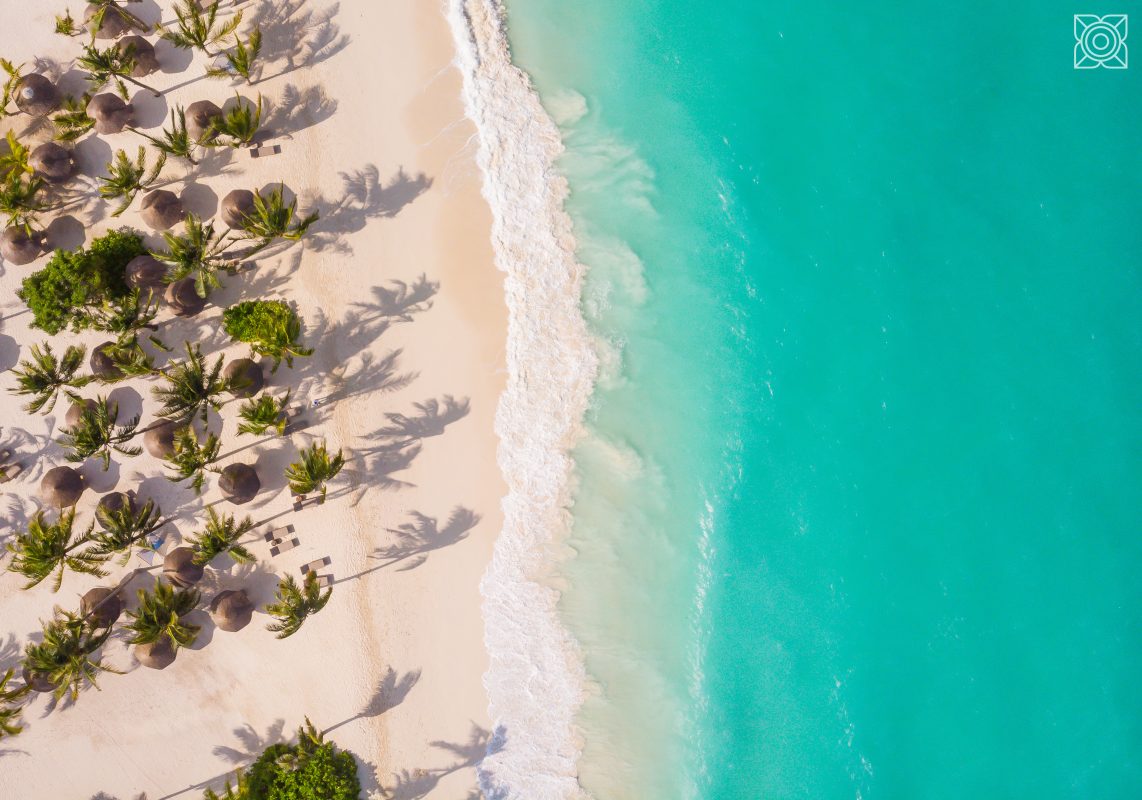
Brilliant turquoise lagoons and dazzling coral gardens hold sea turtles, hundreds of fish species, manta rays and whale sharks (seasonal). Part of the Malindi-Watamu Biosphere Reserve — one of East Africa's most biodiverse marine habitats. The tiny town of Watamu is one of Kenya's most charming coastal resorts.
- Location: Watamu, 120km north of Mombasa
- UNESCO: Part of Malindi-Watamu Biosphere Reserve
- Whale sharks: November–February — snorkelling with whale sharks is possible
- Sea turtles: Both green and hawksbill turtles nest on adjacent beaches
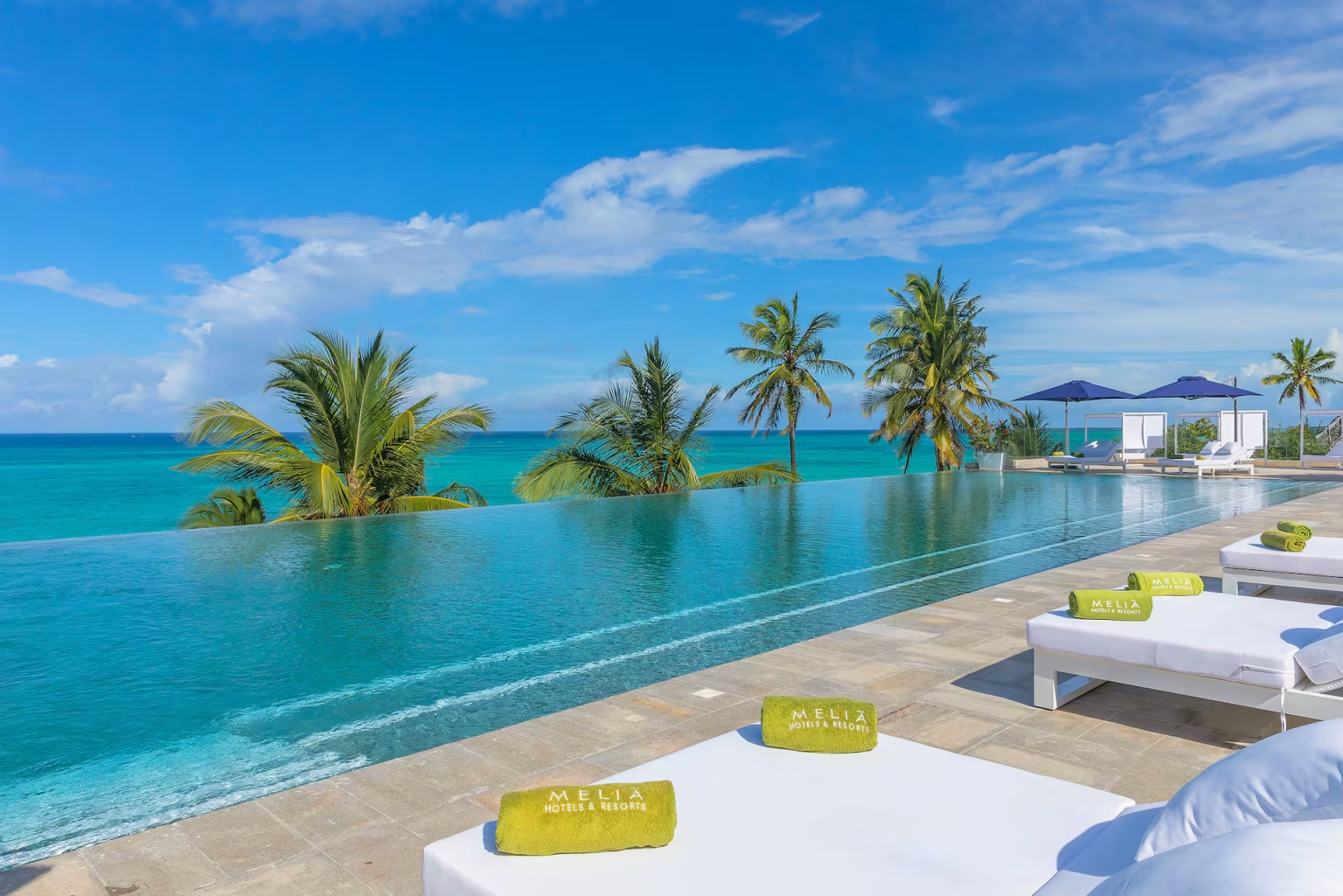
Arabuko Sokoke Forest Reserve
East Africa's largest remaining coastal forest — and one of the most important biodiversity hotspots on the continent. Home to three endemic bird species found nowhere else on Earth, including the Sokoke scops owl and Clarke's weaver. Between Kilifi and Malindi, it is the missing link between Kenya's coastal hotels and a genuine wilderness experience.
- Location: Between Kilifi and Malindi, 110km north of Mombasa
- Birds: 230+ species — 3 endemic to this forest alone, found nowhere else on Earth
- Mammals: Golden-rumped elephant shrew, Aders' duiker, bushpig — many globally rare
- Status: BirdLife International Important Bird Area
"There are so many parks in Kenya that visitors tend to overlook the out-of-the-way reserves. But that would be a mistake — these parks also feature a great bounty of wildlife and… it's just you and the animals."— Africa Kenya Safaris · Est. 2006
Conservation Success Story
Ol Pejeta: How Kenya brought the black rhino back
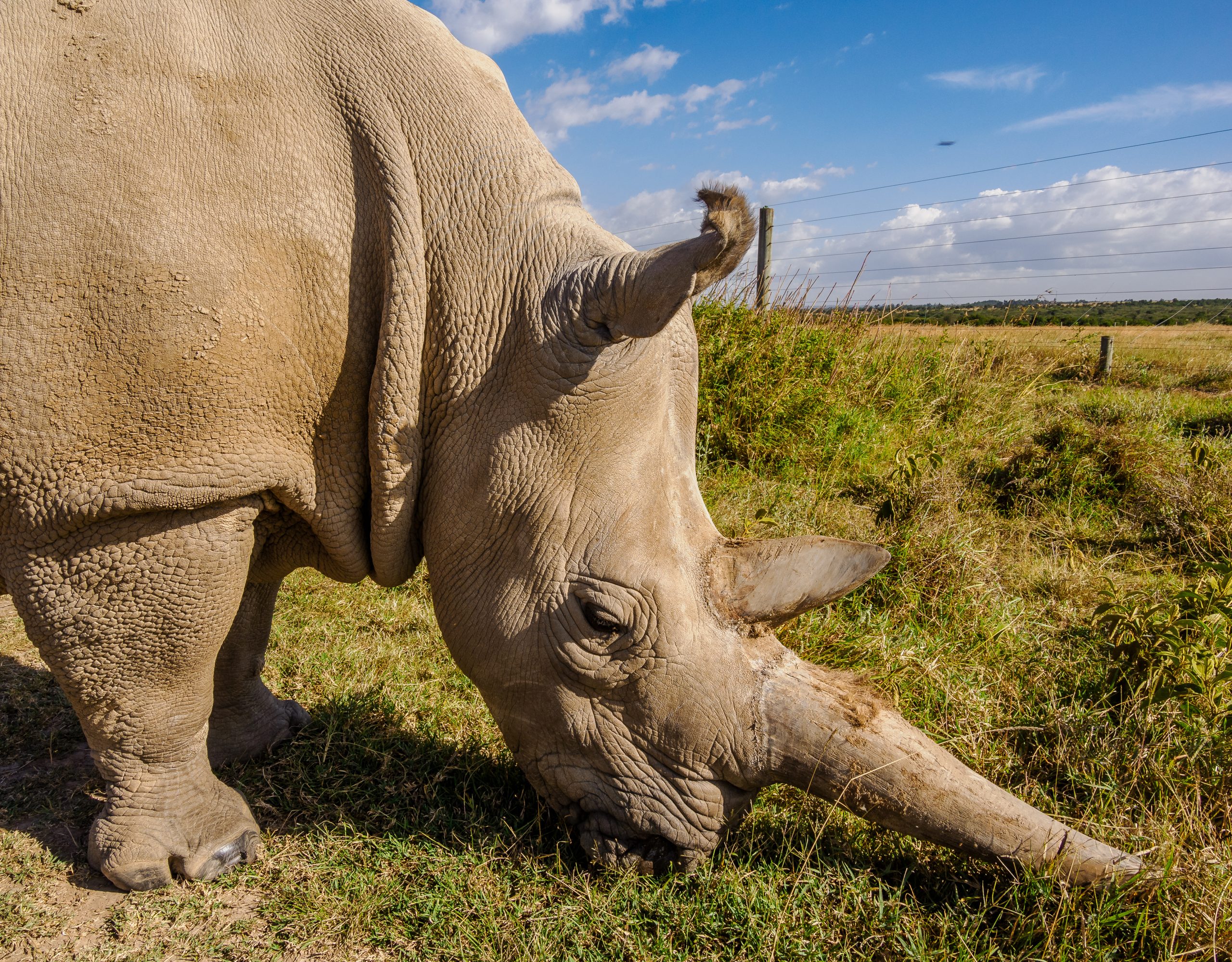
The Ol Pejeta Conservancy (360 km²) in Laikipia is the largest black rhino sanctuary in East Africa — and home to the world's last two northern white rhinos. When conservation efforts began, the black rhino was listed as Critically Endangered on the IUCN Red List. Through rigorous anti-poaching, habitat management and a tourism model that benefits local communities, Ol Pejeta now protects over 105 black rhinos — the largest single population in East Africa.
It also hosts the Sweetwaters Chimpanzee Sanctuary — the only place in Kenya to see chimpanzees, and the Morani Information Centre where visitors can touch real wildlife artifacts. A full, extraordinary half-day from Nairobi or en-route to Samburu.
Kenya's Private Wildlife Conservancies
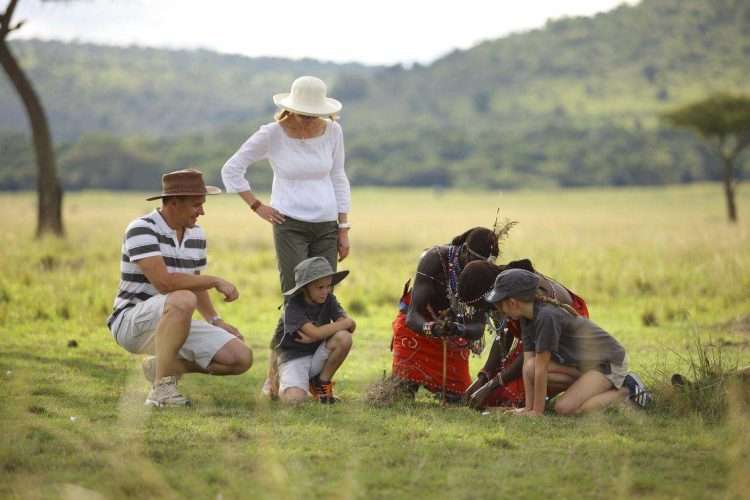
Private conservancies — most around the Masai Mara — are the best-kept secret in Kenyan safari travel. They have the same wildlife as the national reserve (sometimes more), but strictly limit tourist numbers, allow off-road driving, permit walking safaris, and directly pay Maasai landowners to conserve land instead of farming it. If you want the Mara experience without the crowds, a conservancy is your answer.
Mara North Conservancy
'A Personal Adventure'A picture-postcard of flawless Africa — golden savannahs, perfect acacia trees dotting the horizon and prolific big cats. Over 61,000 acres of private wilderness shared by the Maasai community and a small number of tourism operators.
Olare Motorogi Conservancy
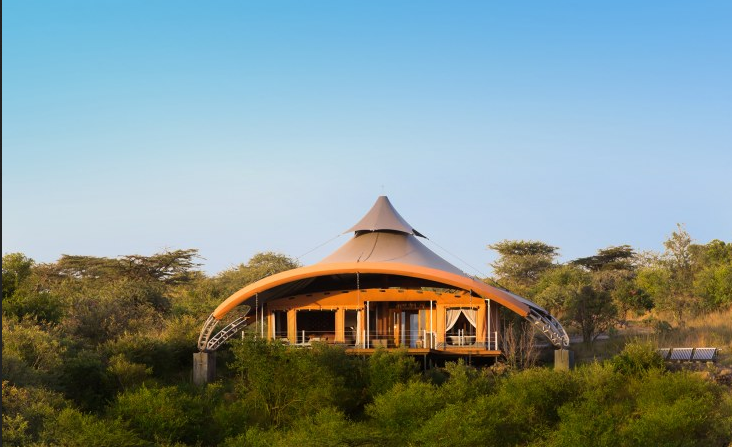
'A New Kind of Safari Tourism'One of the densest lion populations in East Africa. River valleys, acacia forest and natural gorges, shared between Maasai landowners and five tourism operators. Over 50 raptor species recorded. No tourist crowds.
Mara Naboisho Conservancy
'An Exclusive Safari Experience'53,000 acres with over 100 big cats — one of the highest lion densities anywhere on the continent. Strictly limits tourist numbers so you may find yourself with lions entirely alone. A Migration corridor for hundreds of thousands of wildebeest (Jul–Oct).
Ol Kinyei Conservancy
'The Pioneer — Est. 2005'The first and original Mara conservancy — founded 2005 as a partnership with 171 Maasai landowners. Won Community Conservancy of the Year 2011 & 2012 (Ecotourism Kenya). Home to a pride of over 30 lions plus leopard, cheetah and 300+ bird species. Now expanded to 17,500 acres.
Mara Triangle Conservancy
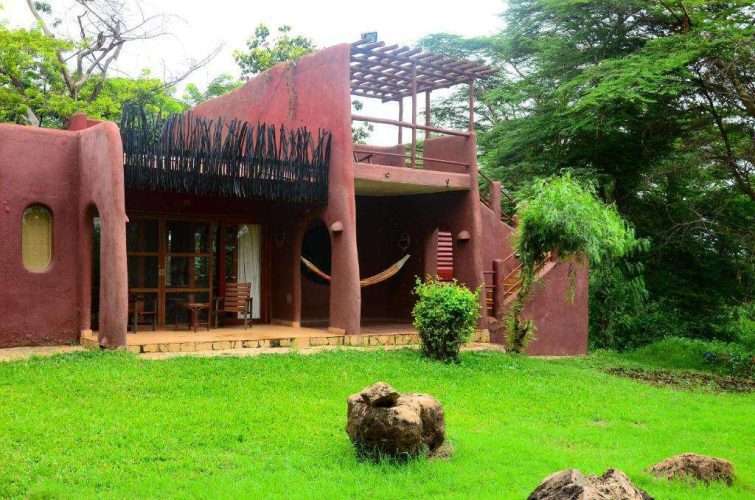
'The First Success'About one-third of the total Masai Mara Reserve area. Extraordinary game: it is genuinely possible here to view all Big Five in a single morning within just 2km. The Triangle manages the most dramatic section of the Mara River — prime Migration crossing territory.
Lewa Wildlife Conservancy
'Kenya's Greatest Conservation Success'Formerly a cattle ranch, now a UNESCO World Heritage Site and one of Kenya's greatest conservation triumphs. Home to Grevy's zebra, black & white rhino, sitatunga and oryx. Game density second only to the Masai Mara. The Lewa Safari Marathon here has raised millions for community and conservation programmes.
Mara Siana Conservancy
'A Success Story for Everyone'Home to resident lion prides, leopard, cheetah and African wild dog. A Migration corridor from July to October. Elephant family herds of over 200 individuals pass through. Unusually, visitors can also witness wildebeest calving here in January–February — the beginning of the migration cycle.
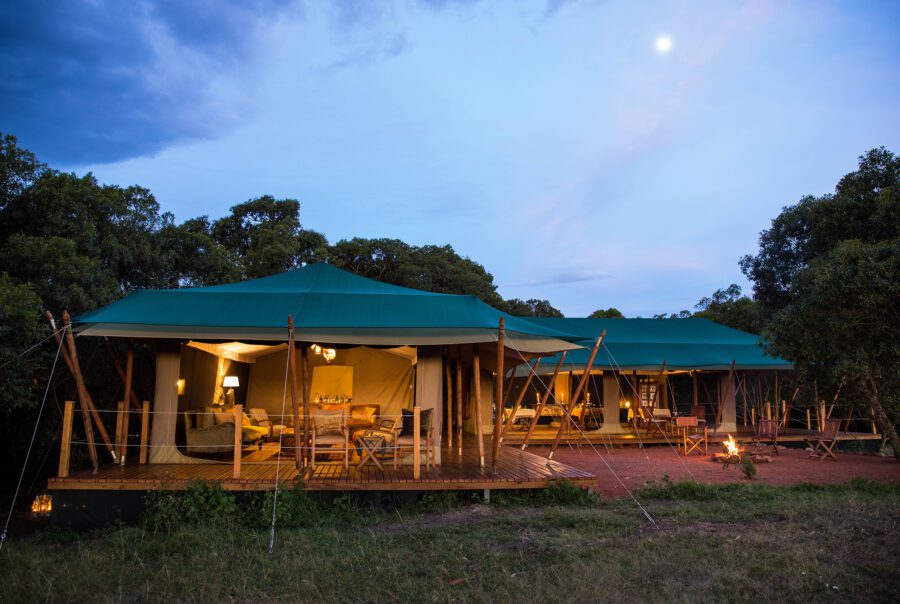
Lemek Conservancy
'A Compact Wonder'Compact but beautifully rich, bordering the Mara River — where dense acacia trees along the water draw big cats including leopards who perch above, scanning for prey. Resident lion and cheetah, with the Migration expanding wildlife numbers dramatically from July. Activities not possible in the Mara reserve — walking, night drives, off-road.

Ol Pejeta Conservancy
'The Most Important Sanctuary on Earth'360 km² — the largest black rhino sanctuary in East Africa, and home to the last two northern white rhinos alive. Over 105 black rhinos, plus the Sweetwaters Chimpanzee Sanctuary (the only chimps in Kenya). Every shilling of tourism revenue funds conservation. An absolute must-visit.
Why choose a conservancy over the national reserve?
Fewer vehicles. Off-road driving permitted. Night drives allowed. Walking safaris. The same wildlife — often in higher density. And every booking directly benefits the Maasai families who own and protect this land. For the eco-conscious traveller, it is the most responsible and most intimate way to experience the Mara.