
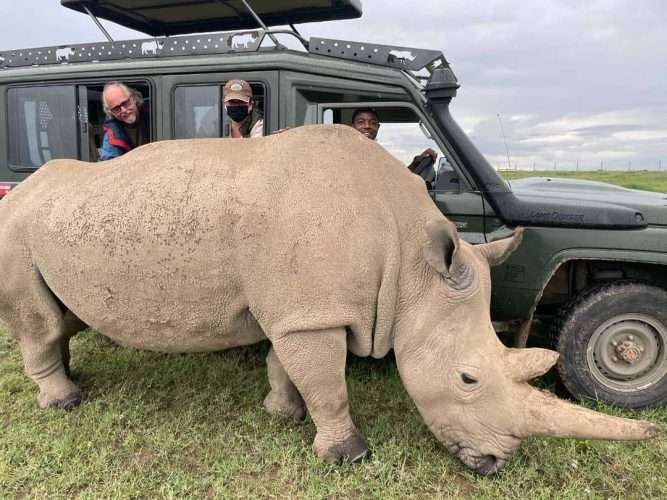
Join the rangers protecting Kenya's big cats and rhino
Follow a radio signal to a collared lion or rhino, on foot or by 4x4, and take part in the data collection that's helping their populations recover.
A front-row seat to real conservation work
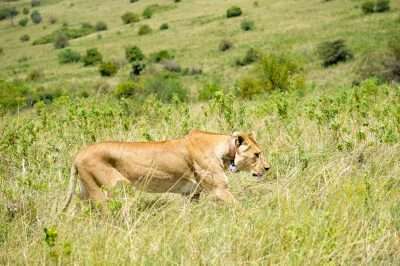
Lightweight radio collars, worn by lions, cheetahs and rhinos, track movement patterns and help protect them from poachers - while alerting nearby herders to avoid conflict.
Join rangers in a 4x4 or on a guided walking safari as they home in on a signal, moving closer until the collared animal comes into view - a genuinely different way to safari.
Ask about a tracking safari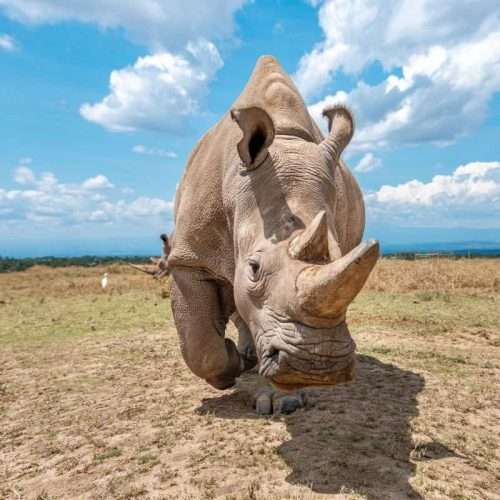
Lion numbers are down 43% in twenty years
Africa's lion population has fallen from around 200,000 to roughly 20,000, with prides now confined to just 8% of their historic range - driven by habitat loss, human-wildlife conflict, disease and drought.
Tracking data helps rangers understand movement and migration patterns, monitor disease, record births and investigate deaths - all critical to reducing human conflict and protecting what's left.
The collar, the signal, the sighting
Fitting the Collar
Qualified vets sedate the animal briefly to fit a GPS collar weighing just 1% of its body weight - light enough not to affect hunting or movement. Collars can later be removed remotely.
Signal & Monitoring
The collar sends signals to nearby receivers or satellites, relayed to a monitoring station. Portable receivers let your guide locate the animal in real time - some conservancies even have live tracking centres.
Preventing Conflict
Lions and cheetahs sometimes wander beyond protected areas - the highest-risk moments for conflict with livestock. Advance warning lets herders give roaming wildlife a wide berth.
Proven Results
In the Ewaso area of northern Kenya, tracking and conservation work has helped the local lion population grow from just 11 individuals to over 50.
Private conservancies run the tracking programmes
Near the Masai Mara, Ol Kinyei Conservancy works with the Mara Predator Conservation Program, using satellite-linked collars. In Samburu, Buffalo Springs and Shaba, the Ewaso Lions programme tracks big cats and works with local communities.
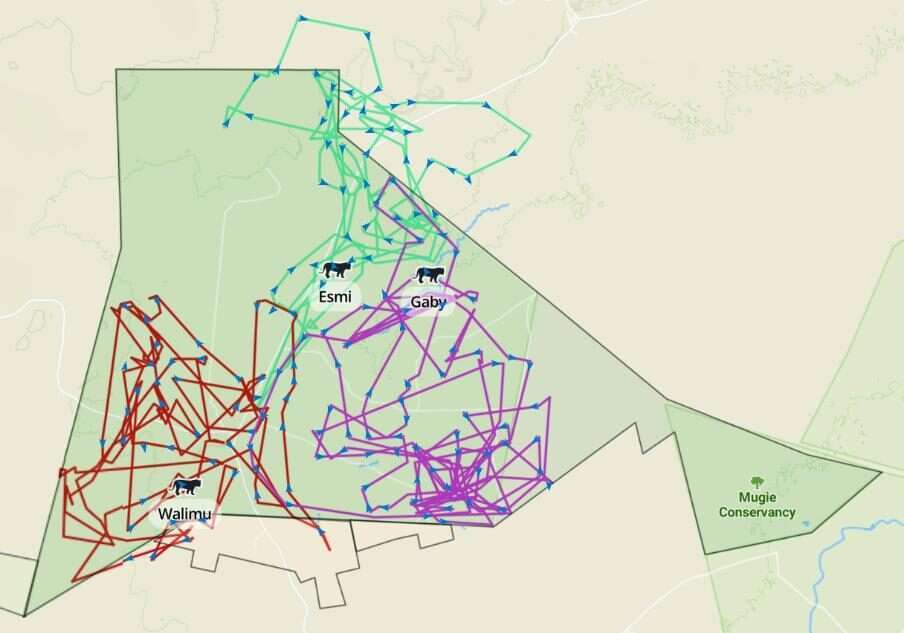
North of Nairobi, Mugie Conservancy tracks collared lionesses from several prides, with Kenya Wildlife Service alerting herders to their whereabouts. Ol Pejeta Conservancy, with one of Kenya's highest predator densities, offers strong odds of a close encounter.
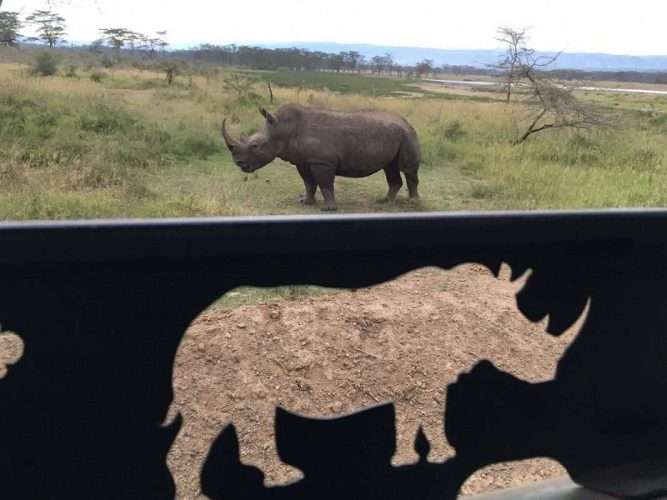
On foot, within metres of a grazing rhino
In northern Kenya's Sera Community Conservancy, a 25,650-acre sanctuary, begin in your 4x4 monitoring for signals from a collared rhino, then continue on foot with an expert guide and ranger until you're close enough to observe it grazing.
A different pace, and a genuinely rare wildlife encounter, built around real conservation fieldwork.
"Wildlife is something which man cannot construct. Once it is gone, it is gone forever."
Joy Adamson, Naturalist & ArtistTracking safaris - your questions answered
How do I book a tracking safari?
Let us know when booking - because of the technical nature of this experience, arrangements need to be made well in advance, and a minimum group size or suitable weather may be required.
Does the radio collar harm the animal?
No - collars weigh about 1% of the animal's body weight and don't interfere with hunting or normal movement. They can also be removed remotely later on.
Which conservancies offer tracking safaris?
Ol Kinyei near the Masai Mara, Samburu/Buffalo Springs/Shaba (Ewaso Lions), Mugie Conservancy, Ol Pejeta Conservancy, and Sera Community Conservancy for rhino tracking.
Can I track rhinos on foot?
Yes - at Sera Community Conservancy, you monitor for the signal from your 4x4, then continue on foot with a guide and ranger to get close to a collared rhino.
Has tracking actually helped wildlife populations?
Yes - in the Ewaso area, the local lion population has grown from just 11 to over 50 since monitoring and conservation efforts began.
What vehicle or setup is used?
A 4x4 with a portable receiver to pick up the collar's signal, sometimes followed by a walking safari with rangers once the animal is located nearby.