Where the wild world begins. And never ends.
Kenya and Tanzania together form the greatest wildlife destination on Earth — home to the Big Five, the Great Migration, the world's highest free-standing mountain, and cultures older than history. This is not a holiday. This is a reckoning.
"Nowhere on Earth will you witness more life, more wildness, more raw and unfiltered Africa — than right here, between the Mara and the Serengeti."— Africa Kenya Safaris, Nairobi · Est. 2006
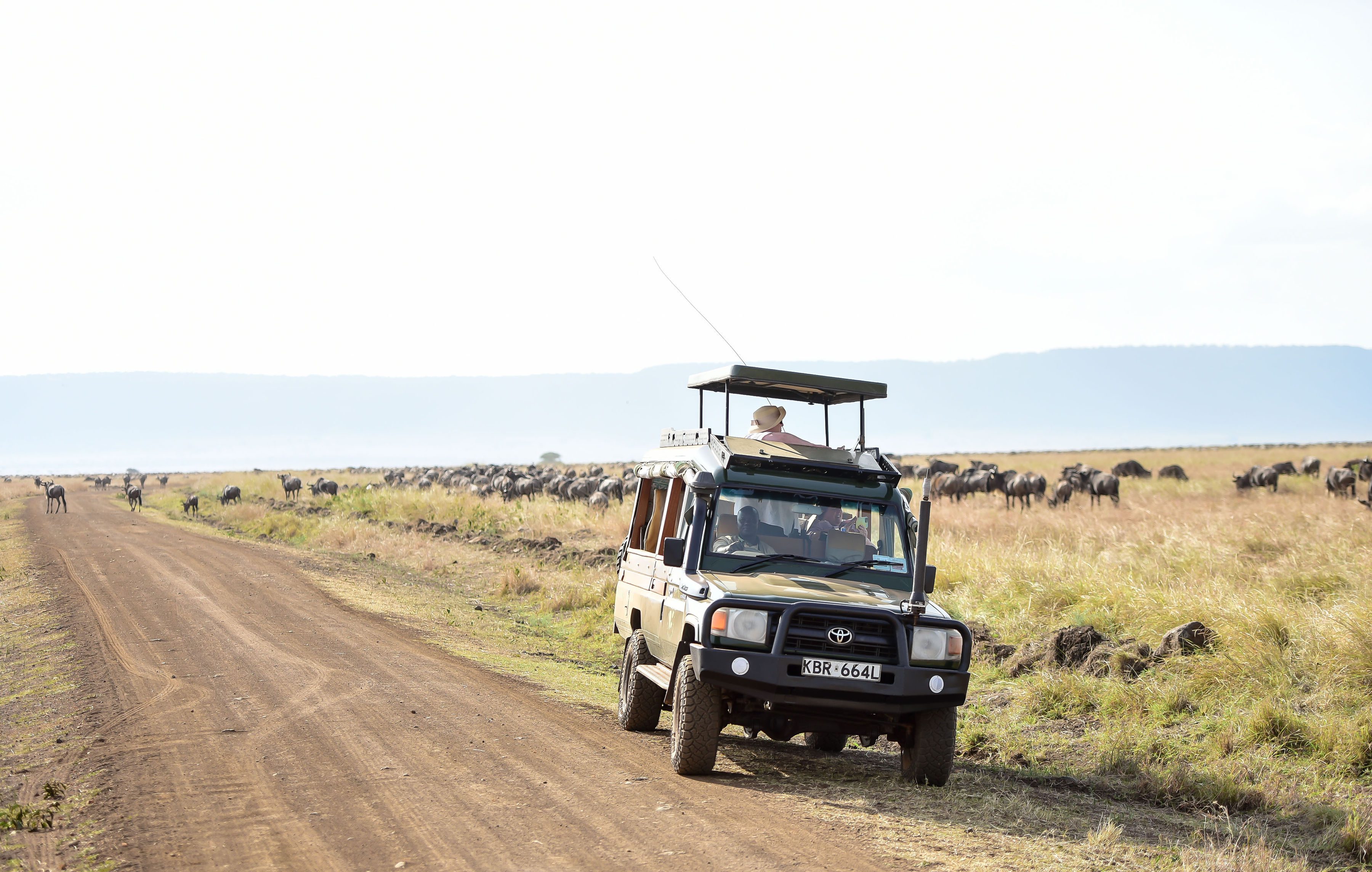
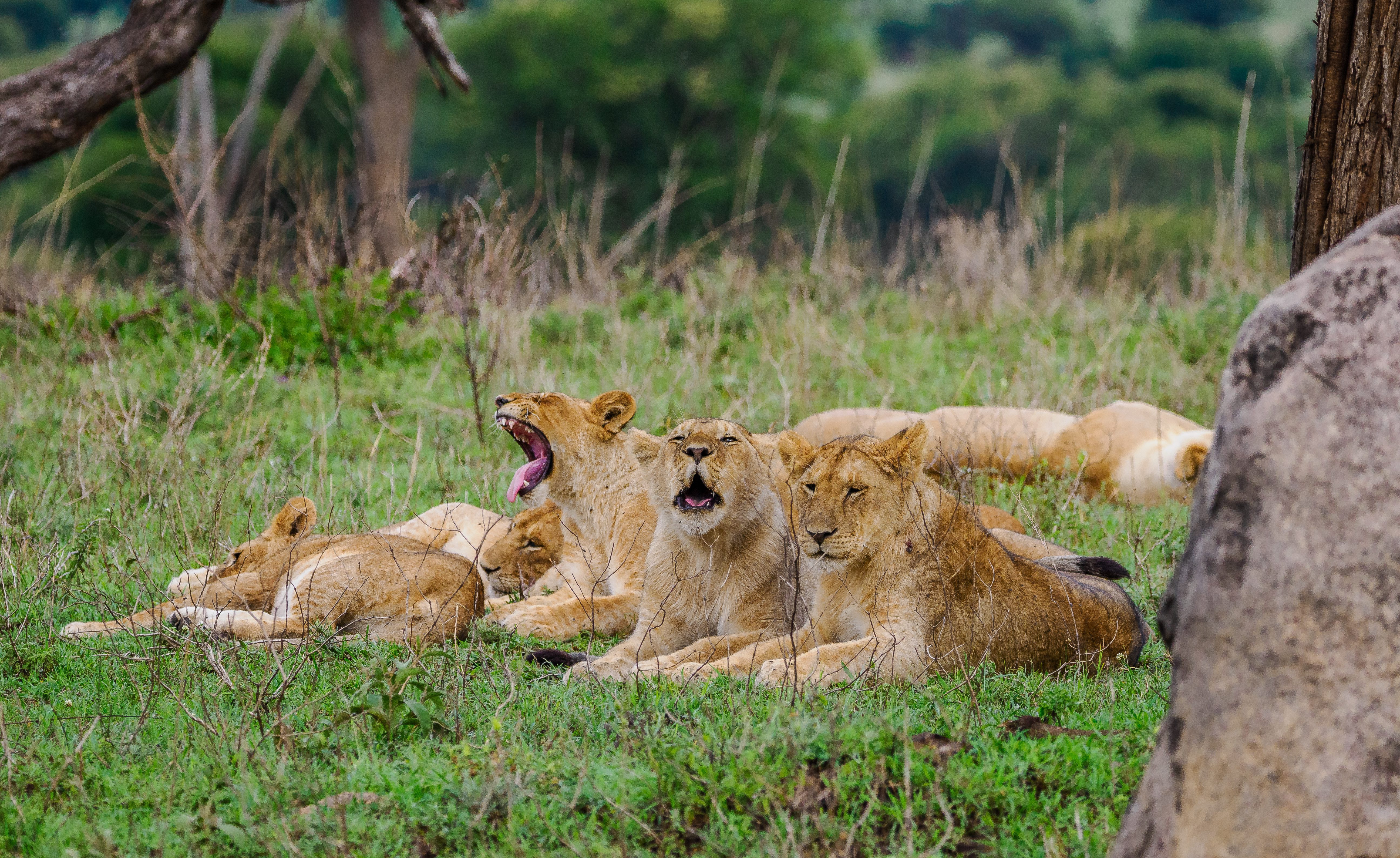
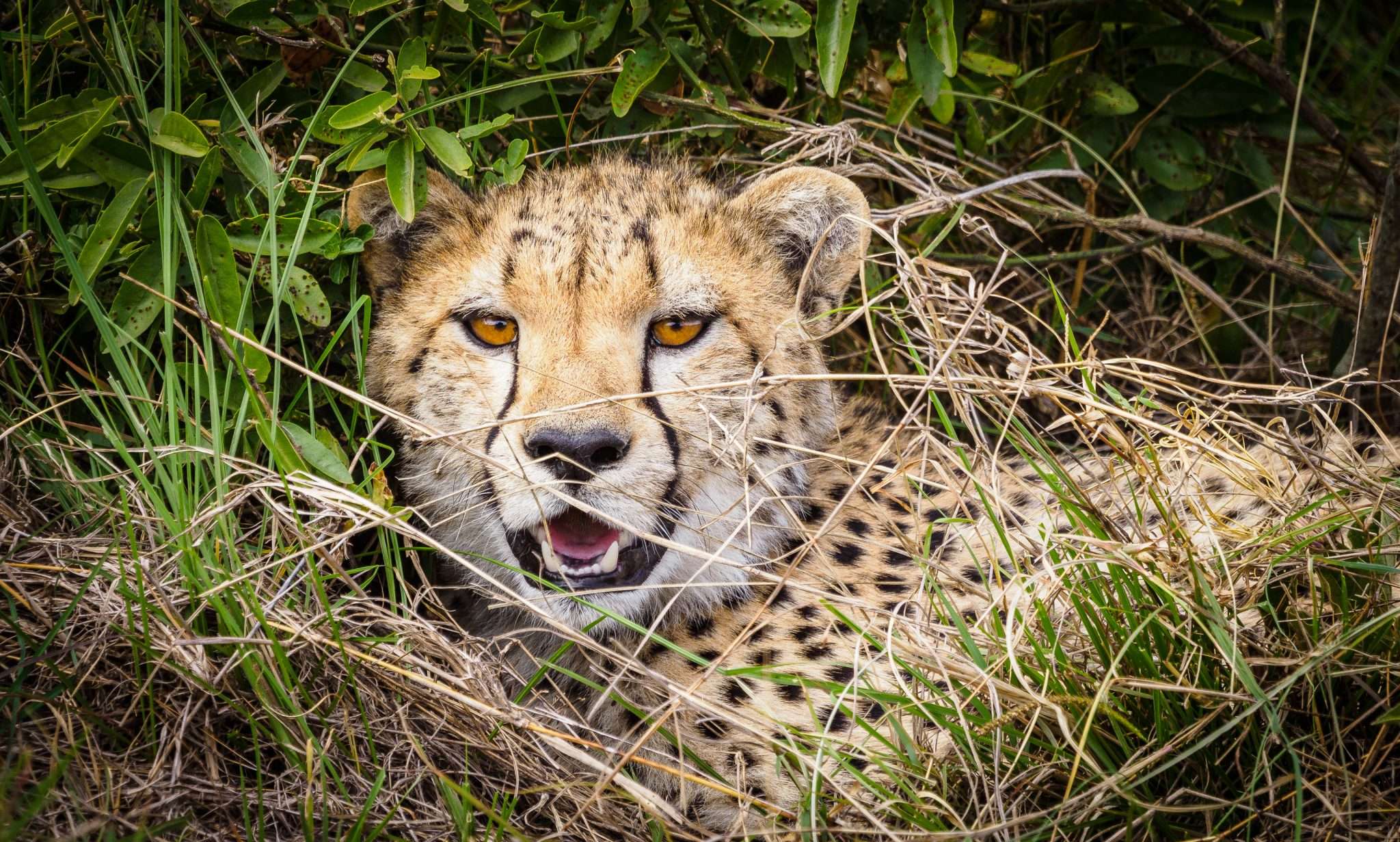
The Masai Mara has one of the highest predator-to-prey ratios anywhere in Africa. On a single game drive, it is entirely possible to see lion, cheetah, leopard and wild dog — all before lunch.
Kenya — The Masai Mara
This is where lions rule. And the sun rises just for them.
The Masai Mara National Reserve is not just famous — it is the benchmark by which all other wildlife destinations on Earth are measured. Set on the floor of the Great Rift Valley, its golden grasslands stretch to every horizon, broken only by the dark ribbon of the Mara River, and the silhouettes of animals too numerous to count.
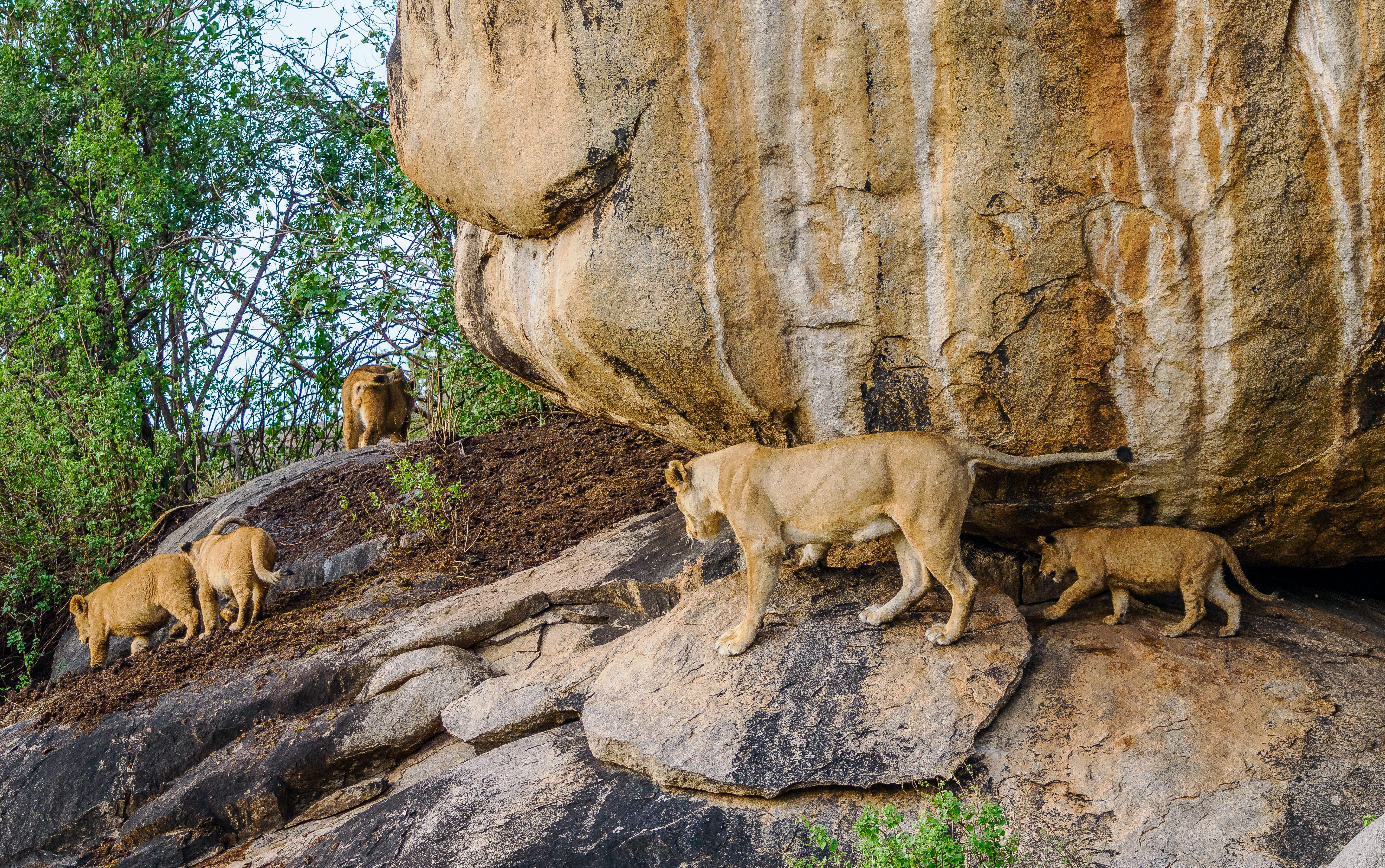
This is the apex of the Mara-Serengeti ecosystem — 30,000 km² of continuous wilderness shared between Kenya and Tanzania. When you stand in the Mara watching a pride of lions draped across a kopje at sunset, you are standing in the greatest wildlife spectacle the natural world has ever produced.
And here's the part that stops people mid-sentence: on a clear morning in Amboseli, 250 kilometres south of Nairobi, you can see the snow-capped peak of Kilimanjaro rising from the Tanzanian border. Africa's highest mountain. Visible from Kenyan soil. Standing there, you will inevitably ask yourself the question every traveller asks: "Why wouldn't I cross over?"
Explore Masai Mara safarisTanzania — Mount Kilimanjaro
The Roof of Africa. The highest free-standing mountain on Earth. And it's right there.
Kilimanjaro is not merely a mountain. It is a world record you can stand on top of. At 5,895 metres (19,341 feet), it rises from the African plain with no neighbouring range, no foothills, no gradual build-up — just savannah, then sky, then one of the most iconic summits in human history.
It is the highest free-standing mountain anywhere on the planet. Higher than anything in the Alps. Higher than anything in the Rockies. Higher than every peak in Europe and the Americas below its latitude. And remarkably, you don't need ropes, ice axes or technical climbing experience to reach the summit — just fitness, the right pace, and a guide who's done it a hundred times.
You can see it from Kenya. You can photograph it rising over elephant herds in Amboseli. And then you can cross the border and stand on top of it. This is what a Kenya–Tanzania combo does: it turns two extraordinary experiences into one conversation no one will believe when you get home.
View Kilimanjaro climbing routes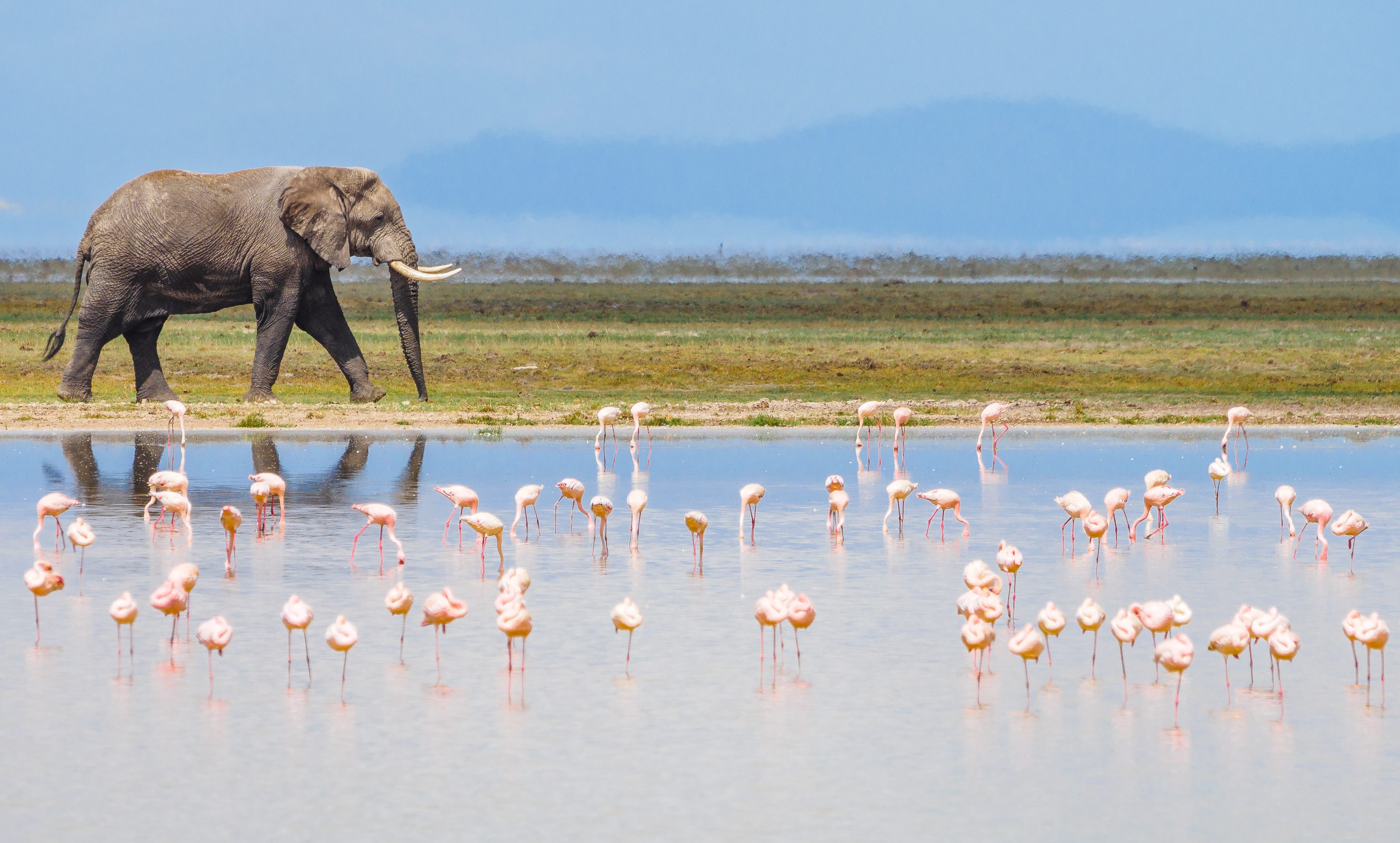
The Serengeti alone covers 14,763 km² — larger than the entire country of Qatar. Add the Masai Mara and connected conservancies and you have a single ecosystem bigger than Switzerland.
Tanzania — The Serengeti
Endless plains. Endless life. The word itself means "I looked for it and couldn't find the end."
The name Serengeti comes from the Maasai word siringet — "the land that goes on forever." Standing in the middle of the Serengeti, you will understand exactly what they meant. There is no wall, no fence, no edge that you can see. Just grass, sky, and more animals than your mind will comfortably process.
Tanzania has placed more than 38% of its total land area under wildlife protection — one of the highest proportions of any nation on Earth. The result is a mosaic of national parks, game reserves and conservation areas that dwarfs entire countries: Serengeti, Ngorongoro, Tarangire, Lake Manyara, Ruaha, Selous (now Nyerere) — each one a world unto itself.
And at the centre of it all, the Great Migration: 1.5 million wildebeest, 200,000 zebra and 400,000 Thomson's gazelle cycling continuously through the ecosystem — calving in the south, moving north with the rains, crossing the crocodile-filled Mara River into Kenya, then looping south again. No director wrote this. No budget could recreate it.
Explore Tanzania safarisWorld-Class Diversity
Two countries. Every dimension of Africa.
From volcanic craters and snow-capped peaks to coral reefs and endless savannah — Kenya and Tanzania pack more distinct landscapes, habitats and experiences into one journey than anywhere else on the continent.

Ngorongoro Crater
The world's largest intact volcanic caldera — a 260 km² natural arena with the highest density of large mammals anywhere on Earth, including the endangered black rhino.
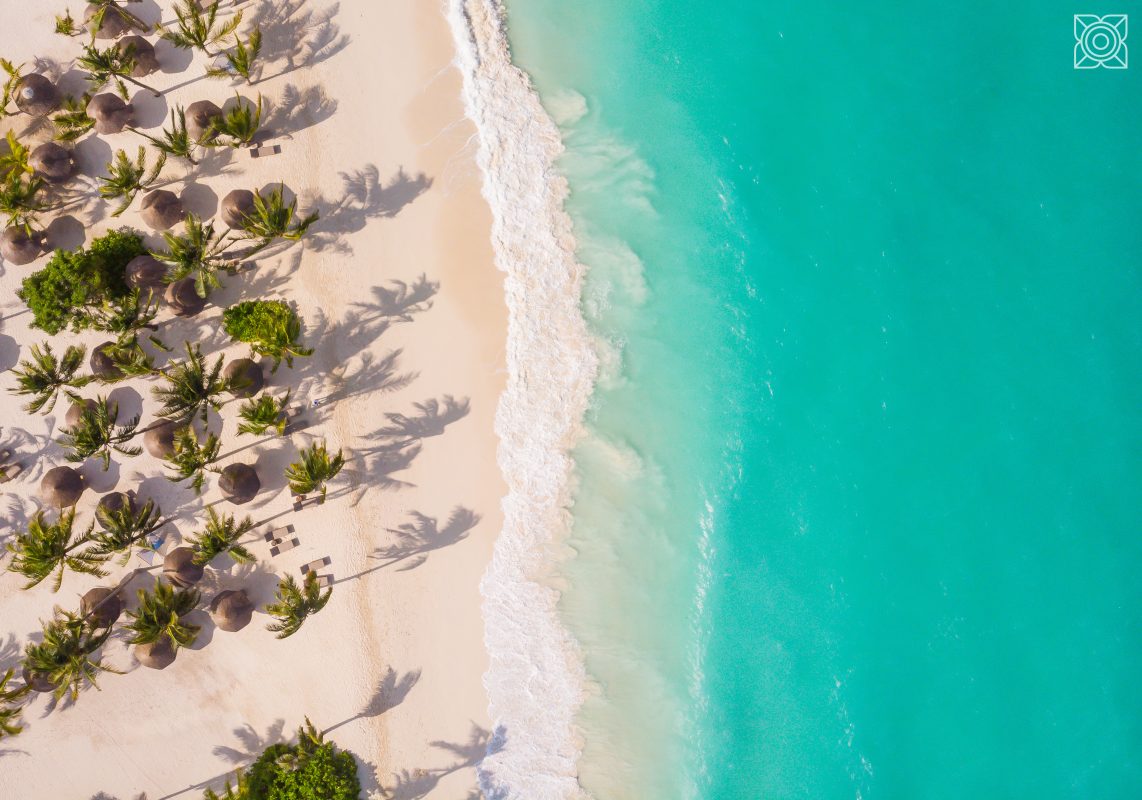
Zanzibar
Spice Island. UNESCO-listed Stone Town. Indian Ocean coral reefs. White sand beaches voted Africa's finest. The perfect bookend to any safari.
Maasai Culture
One of the world's most recognisable and resilient indigenous cultures, still living in harmony with the wildlife across the Mara-Serengeti corridor.
Amboseli & Kilimanjaro
One of the world's most photographed natural scenes: vast elephant herds roaming Amboseli's floodplains, framed by the snow-capped summit of Africa's highest peak just over the border.
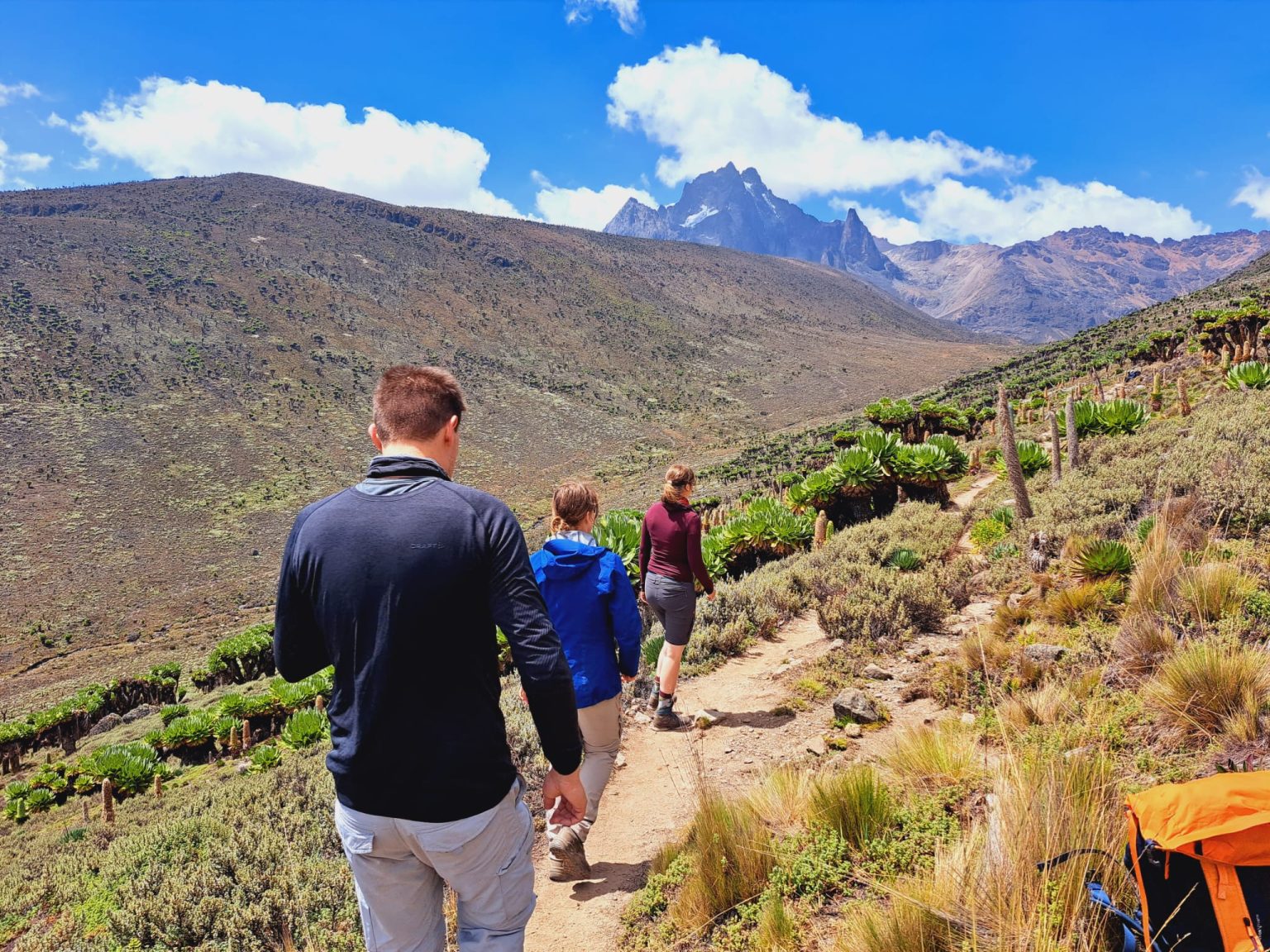
Mount Kenya
Africa's second-highest peak. A UNESCO World Heritage site and National Park wrapped around a spectacular glaciated summit, rising from equatorial forest to alpine moorland.
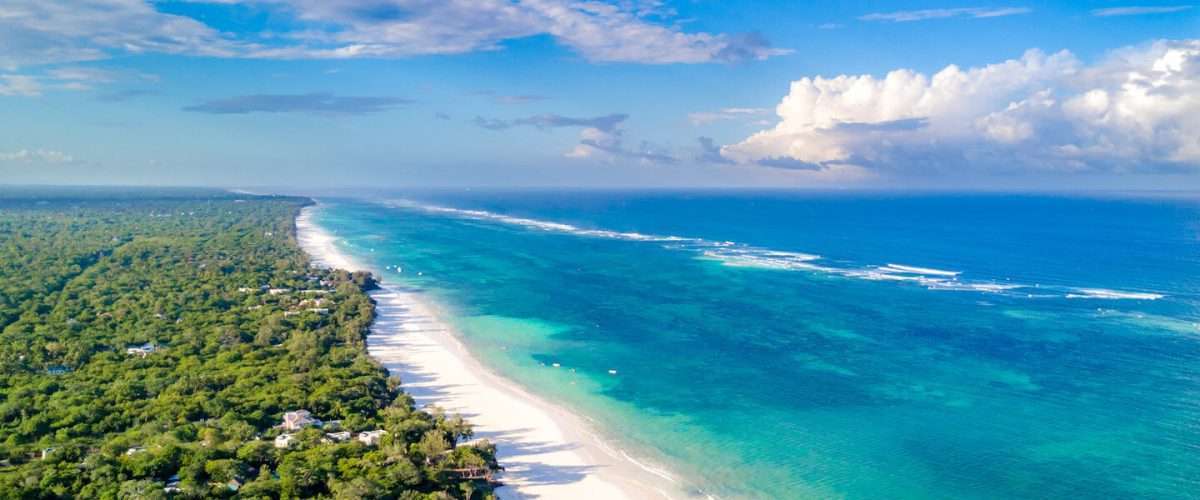
Diani Beach
Multiple-time winner of Africa's Leading Beach Destination at the World Travel Awards. White coral sand, turquoise Indian Ocean water, and Kenya's warm, laid-back coast.
Verified Awards & Records
Don't take our word for it
Independent awards, UNESCO designations and verified statistics — scroll to explore.
Why Combine Both
Kenya and Tanzania: separately extraordinary, together unmissable
Kenya — The Safari Nation
Kenya is where the modern safari was born. It is the country that gave the world the Masai Mara, the Great Rift Valley, the image of a lion on a kopje at sunrise. It has the infrastructure, the world-class guides and the variety — from semi-arid Samburu in the north to the coral coast in the south.
- Masai Mara — the most famous wildlife reserve on Earth
- 582,646 km² of staggering landscape variety
- Amboseli — elephants framed by Kilimanjaro
- Diani Beach — Africa's Leading Beach Destination
- 1,100+ bird species (more than USA + Canada combined)
- Nairobi — the only capital city next to a national park
- Lake Nakuru — the flamingo capital of the world
- UNESCO World Heritage: Mount Kenya, Lake Turkana
Tanzania — The Wildest Place on Earth
If Kenya is where you fall in love with Africa, Tanzania is where you realise how deep that love goes. More protected land than almost any country on the planet. The Serengeti. The Crater. Kilimanjaro. Stone Town. Tanzania is the Africa of your deepest imagination — vast, ancient, and absolutely untamed.
- Kilimanjaro — highest free-standing mountain in the world
- Serengeti — the greatest wildlife show on Earth, always running
- Ngorongoro — the world's largest intact volcanic caldera
- 945,087 km² — larger than Egypt, and 38% protected
- Zanzibar — UNESCO Stone Town + Indian Ocean coral reefs
- Tarangire — Africa's highest elephant density per km²
- 4 UNESCO World Heritage Sites
- Coming soon: gorilla trekking extension to Uganda/Rwanda
The Great Migration Calendar
It never stops. It just moves between countries.
The 1.5-million-strong migration is a year-round event — where you go depends on when you travel.
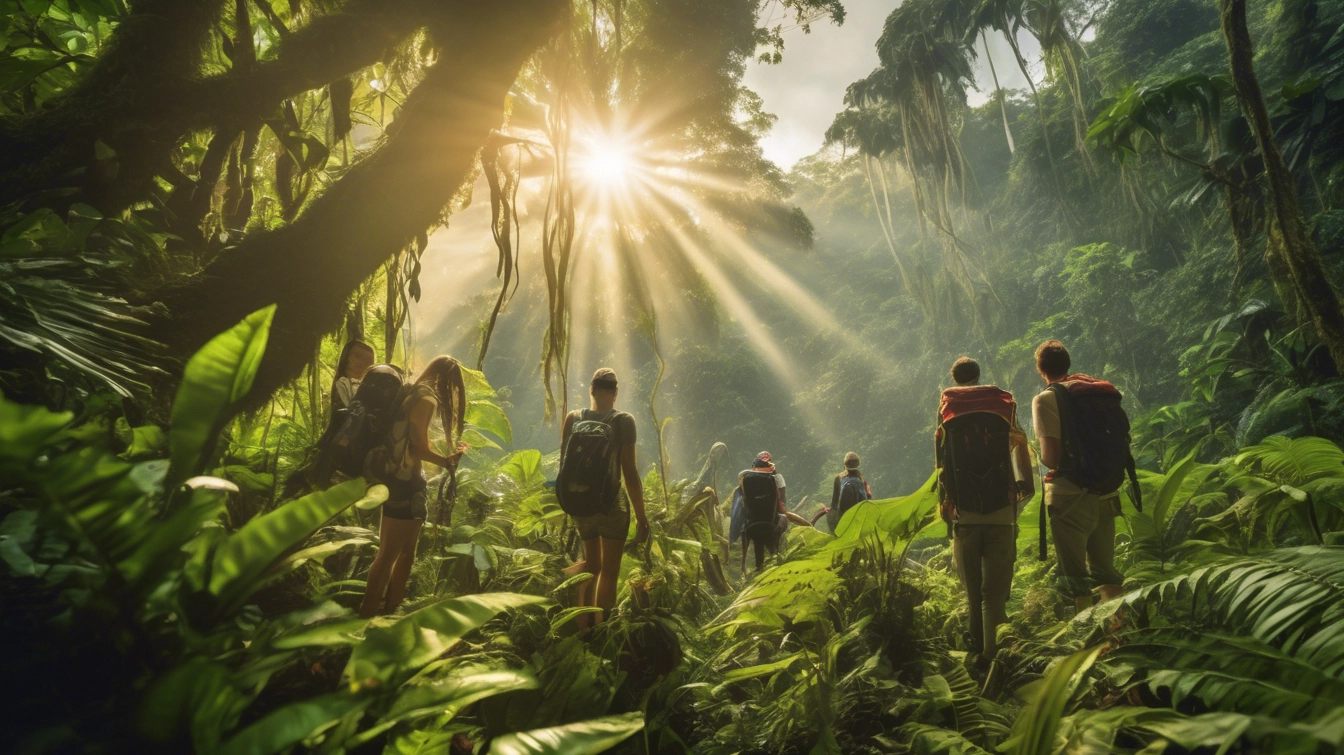
Coming Soon — Extend Your Journey
Gorilla trekking: the next frontier of your East Africa story
Mountain gorillas share 98.3% of their DNA with humans. There are only around 1,000 left in the wild, living in the Virunga mountains on the borders of Uganda, Rwanda and DRC — just a short flight from Nairobi.
For travellers who want the complete East Africa experience, we are adding gorilla trekking extensions from Kenya and Tanzania to our itinerary options — combining savannah, summit and rainforest in a single journey that spans three countries and every dimension of wild Africa.
Register your interest and be first to know when we launch.
Register interest in gorilla trekkingStill deciding between East Africa and South Africa?
We've built a full comparison page — animal populations, migration, raw wilderness, mountain icons, beach quality and value for money. The numbers tell a clear story.