
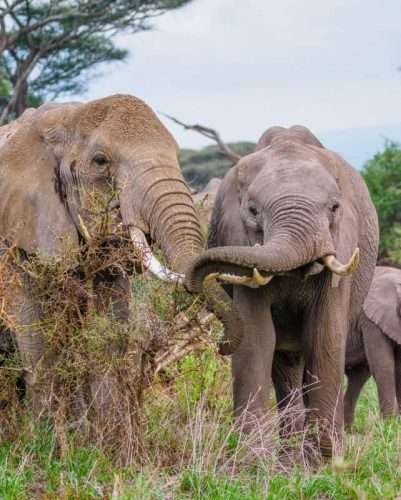
Amboseli safaris - elephants, guaranteed
Over 1,600 elephants roam this compact park beneath Mount Kilimanjaro. Few safaris offer sightings this reliable.
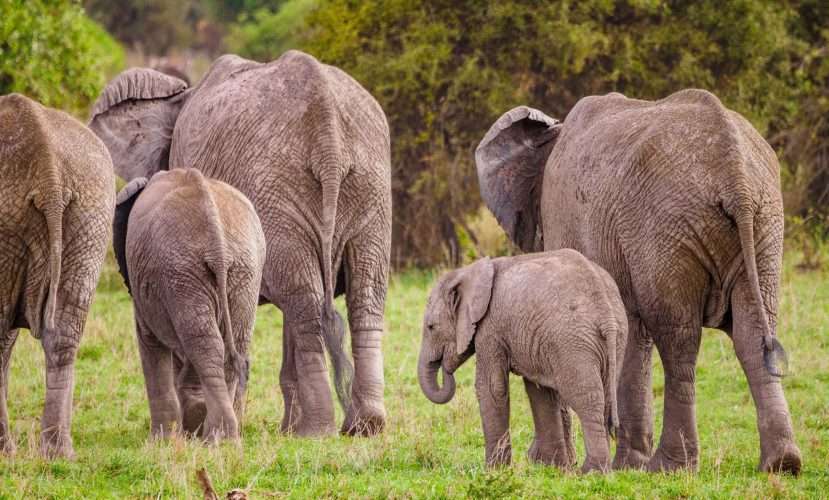
The most reliable elephant sightings in Africa
Most parks can't promise a specific species. Amboseli can. Its elephant herds are so large and visible that spotting them on any given day is close to guaranteed.
Beyond elephants, the park holds lion, cheetah, Maasai giraffe, buffalo, zebra, wildebeest and over 400 bird species across its marshes, savannah and thorn-bush terrain.
Request an Amboseli safari quote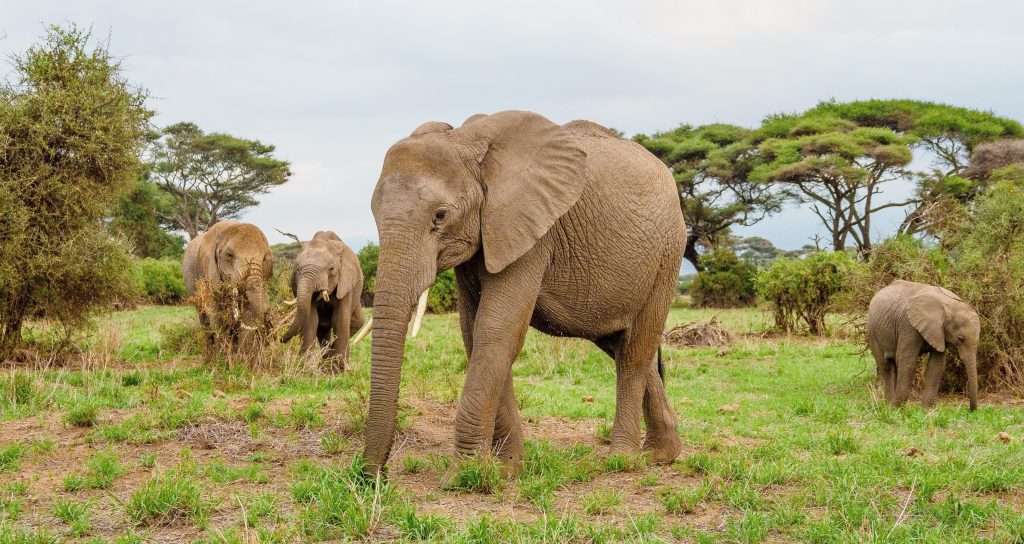
Africa's highest peak, right on the horizon
Kilimanjaro dominates Amboseli's southern skyline. Cloud cover can hide the summit, but early morning and sunset often bring clear views of the snow-capped peak - one of Africa's most photographed sights.
Elephant herds crossing the plains with Kilimanjaro behind them is the single image most visitors come to Amboseli for.
Three landscapes worth knowing
Amboseli packs five distinct habitats into a compact area - here are three worth building your game drives around.
Observation Hill
A volcanic remnant and one of the few spots where you can leave the vehicle. Climb it for wide views over the park, elephants and rhino below, and Kilimanjaro beyond - especially striking at sunset.
The Sinet Delta
In the park's north, thick vegetation and wetland support crakes, ibis, ostrich and raptors, plus large giraffe numbers. More Kilimanjaro views from a quieter corner of the park.
The Marshes
Permanent swamps draw elephant families, pelicans, egrets, herons and - in the rains - flamingos. The most reliable spot for close elephant encounters at any time of year.

Maasai communities living alongside the park
The Maasai have herded cattle and goats here for generations, recognisable in bright plaid wraps. Village visits let you see their homes, meet families and learn their customs directly.
Beadwork and jewellery bought at a village visit benefit local families and children directly - a simple, meaningful souvenir.
Choose your lodge tier
Amboseli offers fewer properties than the Mara, but a similarly wide range of comfort levels - several with direct Kilimanjaro views.
| Economy | Standard rooms at established lodges - simple comfort with full access to the park. |
| Comfort | Premium rooms and mid-range camps with en-suite bathrooms and good service. |
| Luxury | Well-appointed lodges, several with unobstructed Kilimanjaro views from the room. |
| Superior Luxury | Top-tier camps and lodges - spacious tents or suites, fine dining, prime park locations. |
Some properties carry a seasonal supplement. Your travel advisor will confirm this before booking.
1, 2 & 3 days - by road or by air
 1 Day
Amboseli Full Day Safari
Learn more →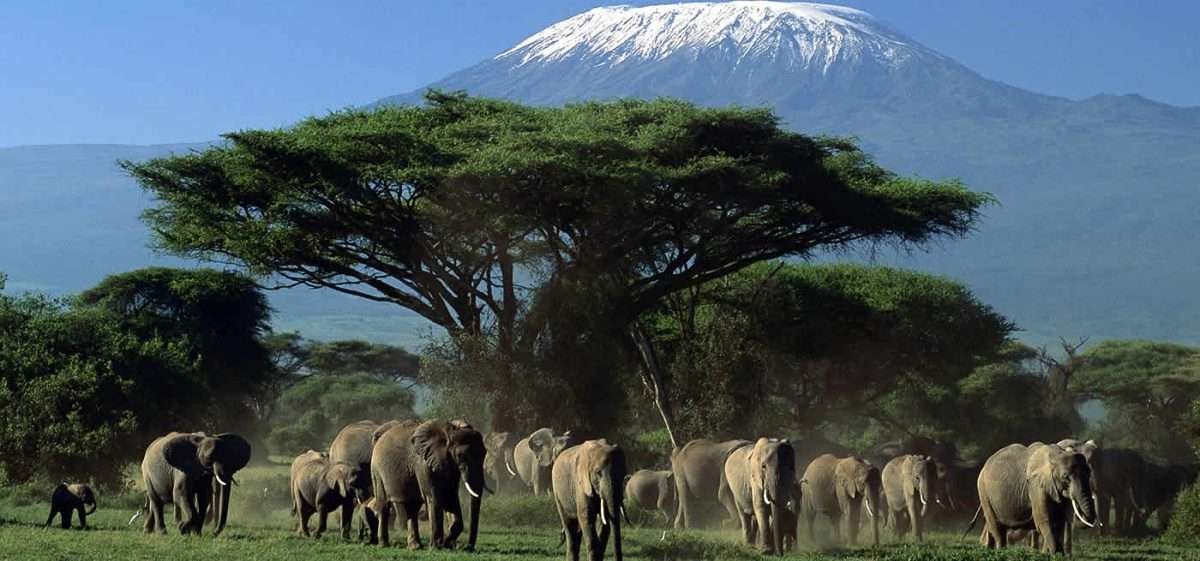 2 Days · Road
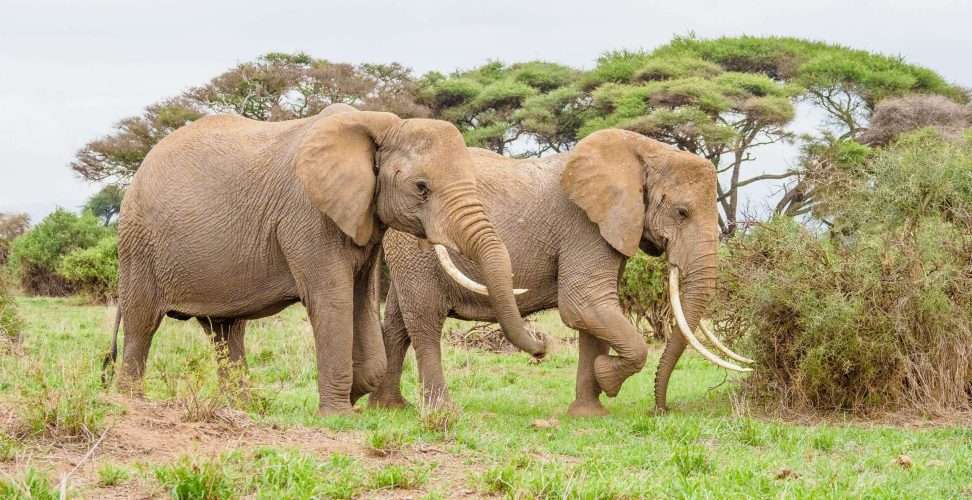
Elephants on Parade Safari
Learn more →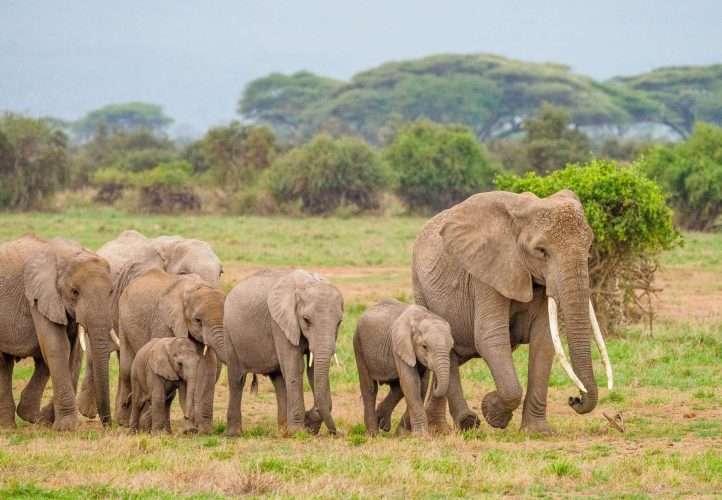 3 Days · Road
Under Kilimanjaro's Skies
Learn more →3 Days · FlightAmboseli Fly-In Safari
Learn more →Amboseli safaris - your questions answered
When is the best time to visit Amboseli?
June to October (dry season) offers the clearest wildlife viewing, as animals gather around permanent water sources and Kilimanjaro's peak is more often visible. November to May is greener and quieter, with strong birdwatching.
How far is Amboseli from Nairobi?
About 230 km, roughly 4-5 hours by road. A scheduled flight from Wilson Airport takes 45-60 minutes if you'd rather save travel time.
How big is Amboseli National Park?
392 km² - compact compared to Tsavo or the Mara, but it packs five distinct habitats (swamp, savannah, woodland, thorn-bush and lake) into that space, keeping game drives efficient.
Am I guaranteed to see elephants?
Amboseli holds over 1,600 elephants and is widely considered the most reliable elephant-viewing park in Africa. Sightings on any given day are close to certain.
Who manages Amboseli National Park?
The Kenya Wildlife Service (KWS) manages the park, working alongside local Maasai communities and neighbouring private conservancies on shared conservation programmes.
What should I pack for an Amboseli safari?
Lightweight neutral clothing, a wide-brimmed hat, sunglasses, walking shoes, binoculars, a camera with zoom lens, sunscreen, insect repellent and any personal medication.