Kenya is where humanity began — and where the earth still moves
Before you book a game drive, know this: Kenya sits on the crack where Africa is splitting in two. Human bones older than 1.5 million years were pulled from its lake beds. Its lakes turn pink from chemistry, not paint. This is the science and story behind the safari.

The Great Rift Valley — Africa's slow-motion breakup
The Great Rift Valley cuts through Kenya from north to south — a vast trench formed as two tectonic plates, the Somali and Nubian, slowly pull apart. It stretches over 6,000km from Lebanon to Mozambique, and Kenya sits right at its most dramatic, visible stretch.
In 2–5cm a year, roughly the speed your fingernails grow, Africa is tearing itself into two continents. In several million years, geologists expect the eastern portion to become its own landmass, with a new ocean filling the gap.
Lake Turkana — the world's richest human fossil site
Northern Kenya's Turkana Basin has produced more early human fossils than anywhere on Earth. In 1984 Richard Leakey's team found "Turkana Boy" — a near-complete 1.6-million-year-old Homo erectus skeleton, one of the most important fossil finds of the 20th century.
Stone tools unearthed at nearby Lomekwi date back 3.3 million years — the oldest deliberately shaped tools ever found, predating our own genus Homo. This single stretch of Kenyan lakeshore rewrote the timeline of human evolution.
- UNESCO status: Lake Turkana National Parks — World Heritage Site since 1997
- Nickname: "The Cradle of Mankind" and "The Jade Sea" for its shifting turquoise colour
- Scale: World's largest permanent desert lake, and largest alkaline lake
"Every human being alive today can trace their ancestry back to this stretch of the Rift Valley. You are not just visiting Kenya. You are visiting home."— Africa Kenya Safaris · Est. 2006
Why Kenya's lakes turn flamingo-pink
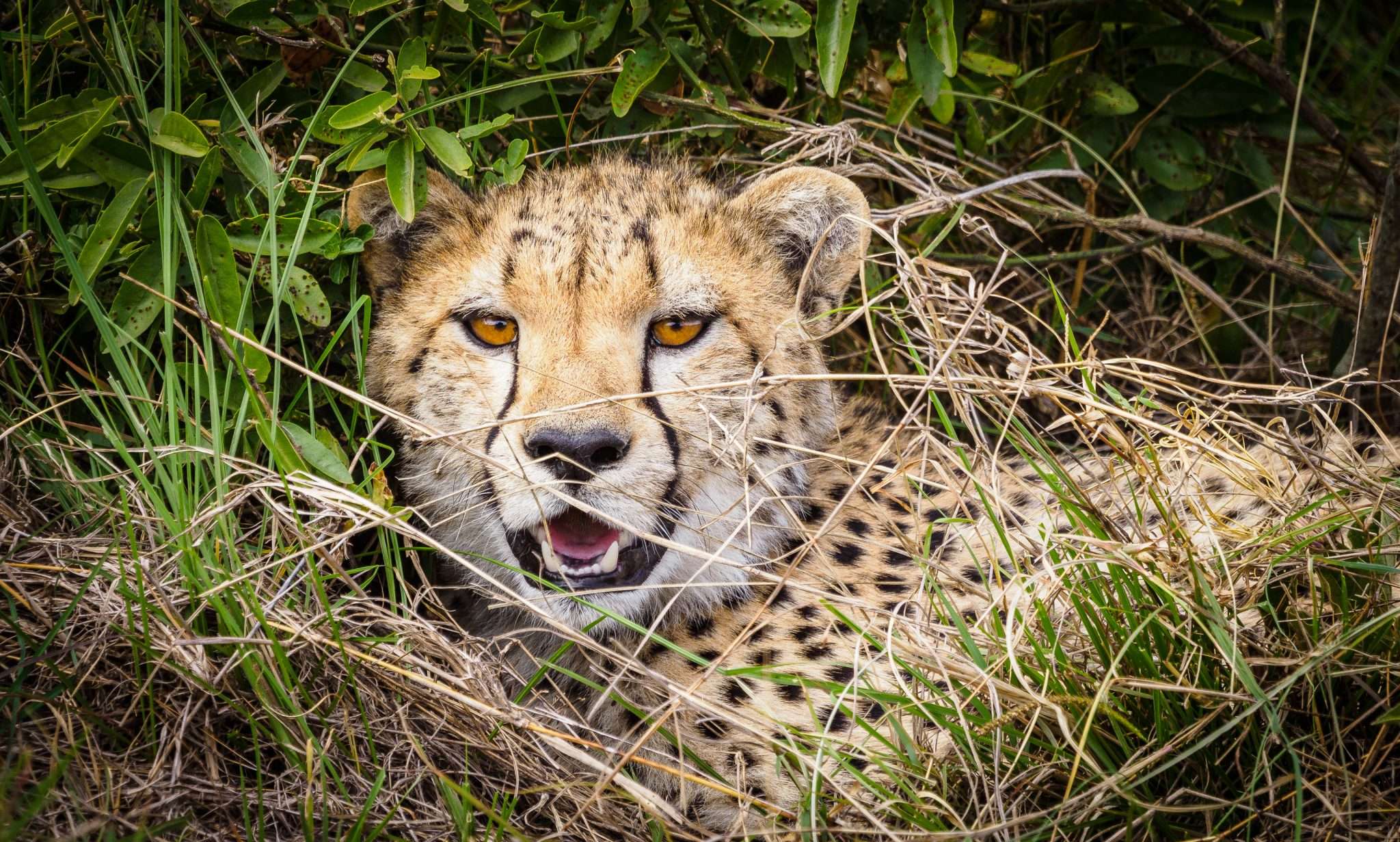
Kenya's Rift Valley lakes — Nakuru, Bogoria, Elementaita — have no outflow. Water only leaves by evaporation, so minerals concentrate over thousands of years into a strong alkaline soup, with a pH close to 10.5, similar to household ammonia.
That harsh chemistry is perfect for one thing: spirulina, a blue-green algae that thrives where almost nothing else can. Flamingos filter-feed on it by the million, and a pigment in the algae — canthaxanthin — builds up in their feathers, turning them from white to vivid pink.
Snow and glaciers on the equator
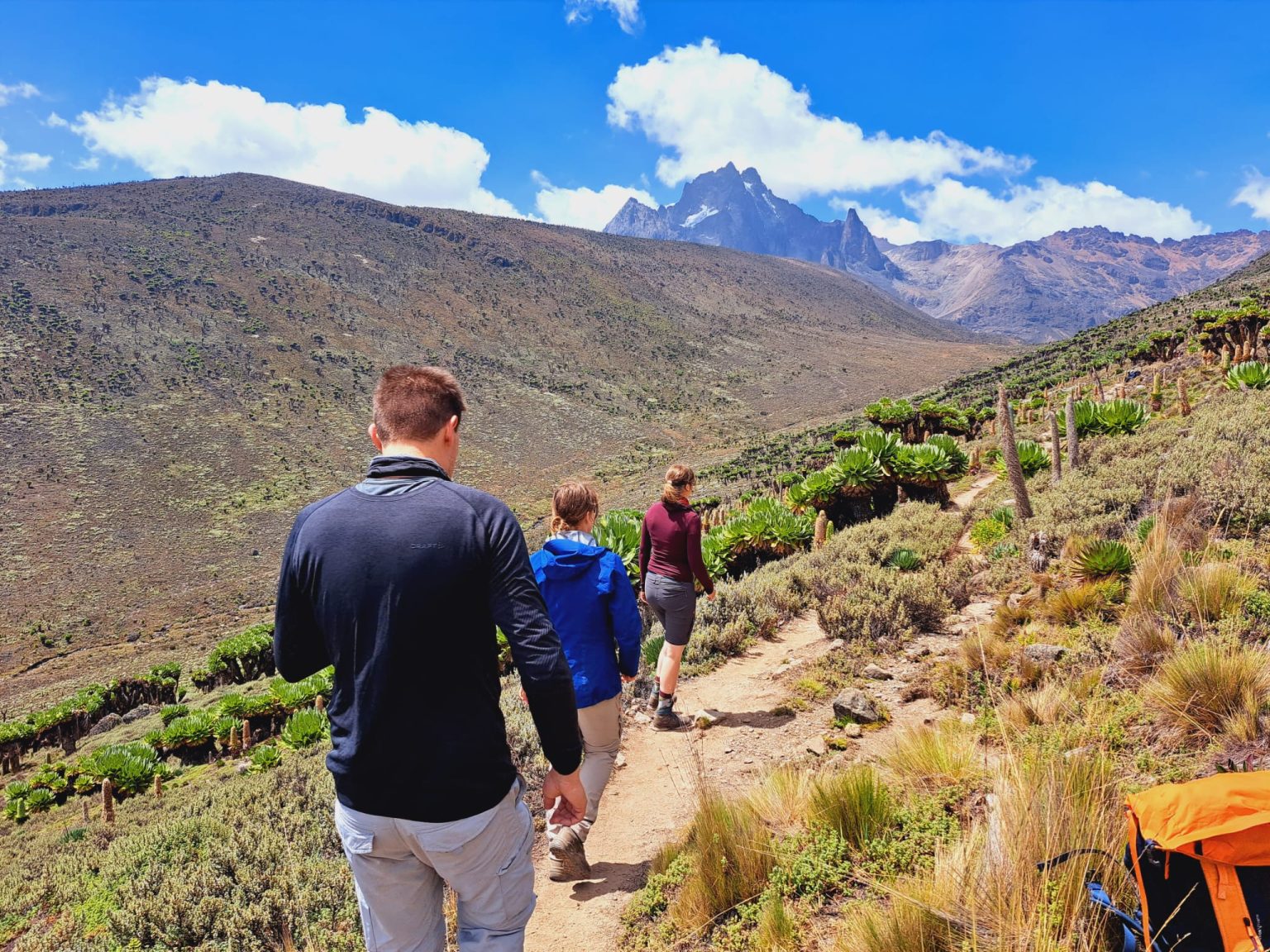
Mount Kenya sits almost exactly on the equator, yet its upper slopes carry glacial ice year-round. It is one of only three places on Earth where you find permanent snow this close to the equator — the others are Kilimanjaro and the Rwenzori Mountains.
The mountain is an extinct volcano, once taller than Kilimanjaro before millions of years of erosion. Today its jagged peaks — Batian and Nelion — are Africa's second-highest point, with five distinct climate zones from equatorial forest to alpine ice in a single day's climb.
Kenya's coast — coral, culture and conservation
536km of Indian Ocean coastline, protected reefs, and a UNESCO town older than most European capitals.
 Watamu
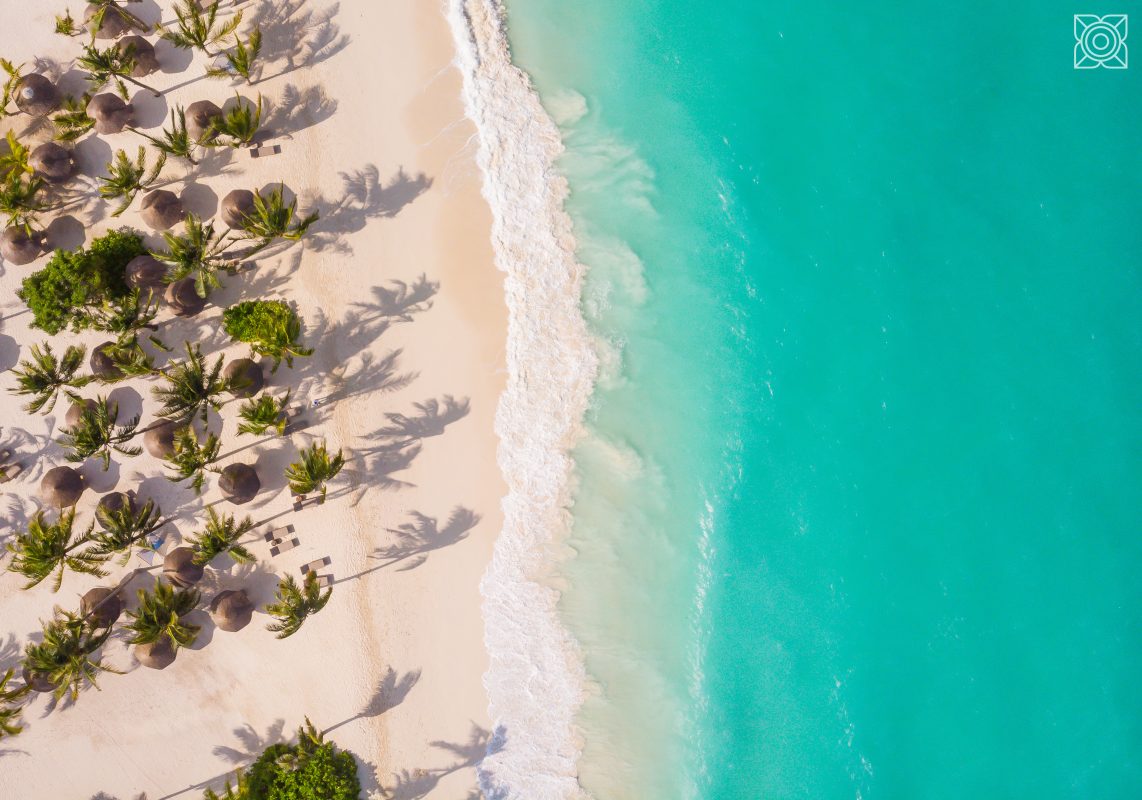
The clearest water on the coast
Watamu's lagoon is shielded by a coral reef barrier, keeping the water calm and exceptionally clear. It's part of a UNESCO Biosphere Reserve, home to green and hawksbill turtles and, from November to March, whale sharks.
 Mombasa
Kenya's first marine national park
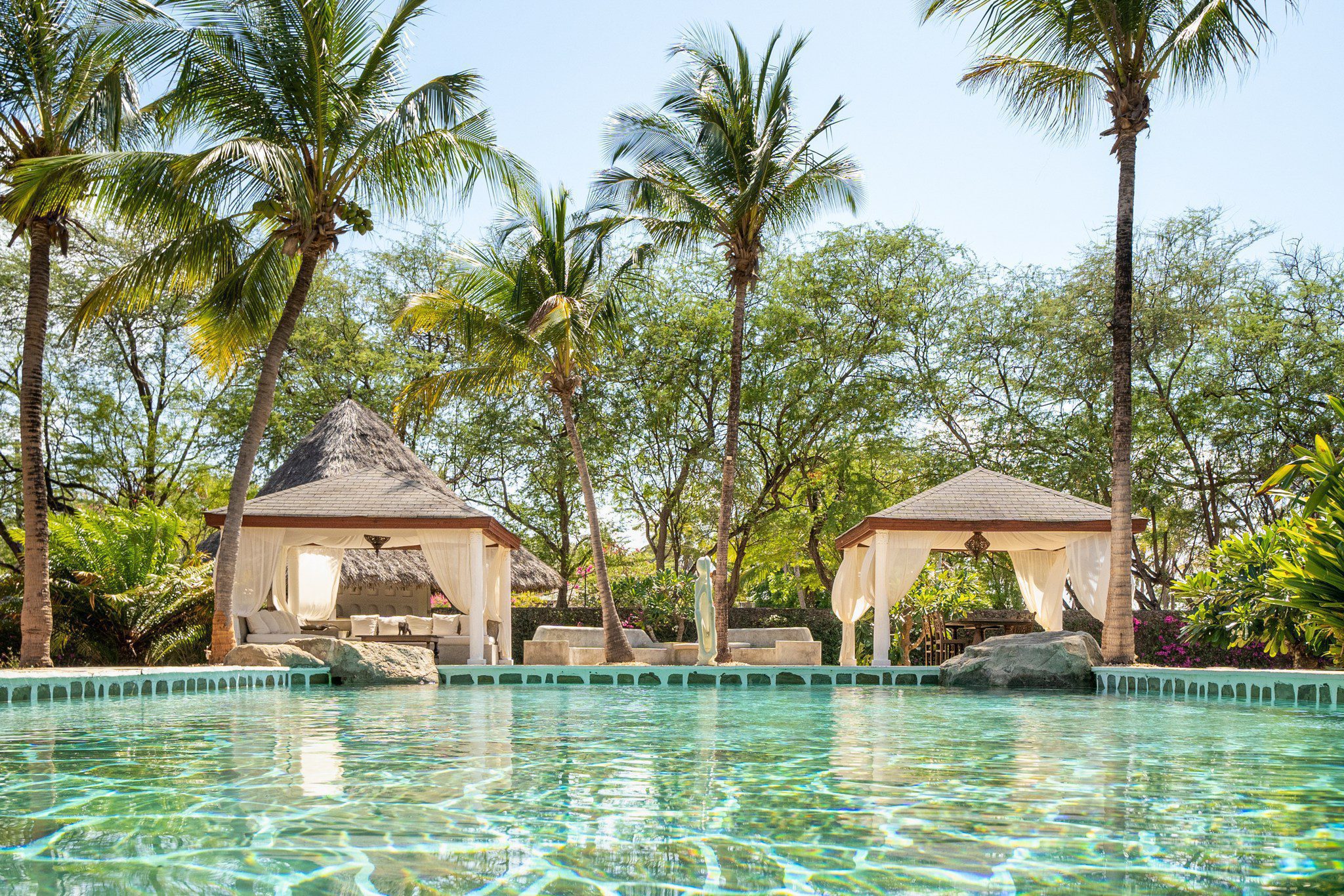
Mombasa Marine Park, gazetted in 1986, was Kenya's first protected reef system. Glass-bottom boats let you view coral gardens and reef fish without a mask — a model since copied along the whole coastline.
 Lamu
A 700-year-old Swahili town, frozen in time
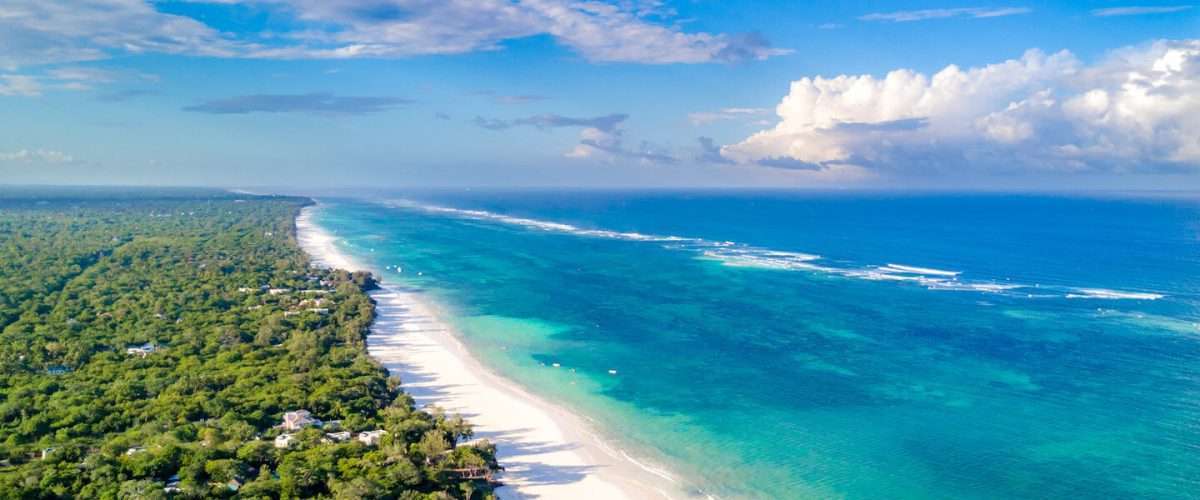
Lamu Old Town is East Africa's oldest continuously inhabited Swahili settlement, and a UNESCO World Heritage Site since 2001. No cars are allowed — donkeys and dhows still move goods through its coral-stone streets.

A country built from many peoples
Kenya recognises 44 official ethnic communities, each with its own language, customs and history — from the pastoral Maasai and Samburu of the Rift Valley to the coastal Swahili, whose language and culture blend African, Arab and Persian roots stretching back over a thousand years of Indian Ocean trade.
Swahili (Kiswahili) itself is a product of this history — a Bantu language woven through with Arabic vocabulary from centuries of dhow trade between the Kenyan coast, Oman and India. It's now Kenya's official language alongside English, and the most widely spoken language in East Africa.