Kenya & Tanzania parks — the numbers that will blow your mind
Verified park sizes, wildlife census data, conservation milestones and climate facts — all cited from KWS, UNESCO, TAWA, IUCN and Ol Pejeta. This is what the raw data looks like for the greatest wildlife destination on Earth.
Climate & Weather
On the equator — but not what you think
Kenya straddles the equator. Tanzania lies just below it. Most people hear "equatorial Africa" and picture oppressive heat. What they get instead is one of the world's most pleasant safari climates — because the Mara, Amboseli, Nairobi and the Serengeti all sit at altitude.
Nairobi stands at 1,795m above sea level. The Masai Mara is at 1,500m. The Serengeti plateau averages 1,500m. Ngorongoro Crater rim reaches 2,400m. At these elevations, daytime temperatures in the game parks average a pleasant 25–28°C, and nights drop to a cool 12–16°C.
There is no "bad time" to visit East Africa. There is simply a best time for what you want to see.
Dry & Warm
Short dry season. Excellent game viewing — thin vegetation and animals around water. Calving season begins in southern Serengeti. Very good value for accommodation.
Long Rains
Green season. Lush landscapes, newborn wildlife, exceptional birding, fewer tourists. Some roads become challenging — but prices drop significantly and parks are beautifully uncrowded.
★ Peak Season
Best game viewing of the year. The Great Migration is in the Mara (Jul–Oct). Dry weather, cool nights, maximum wildlife concentration at water sources. Book accommodation far in advance.
Short Rains
Brief afternoon showers keep landscapes green. Migration herds return south to Tanzania. Excellent photographic light and significantly fewer tourists than peak season.
🇰🇪 Kenya's National Parks & Reserves
Kenya protects 25% of its total land area as wildlife territory
Kenya Wildlife Service (KWS) manages 22 national parks, 28 national reserves, 5 marine parks and 6 marine reserves — covering approximately 68,000 km² of protected habitat. Sources: kws.go.ke
Masai Mara National Reserve
The most famous wildlife reserve on Earth. Measured, and verified.
+ ~2,000 km² private conservancies = 3,500 km² managed Mara ecosystem
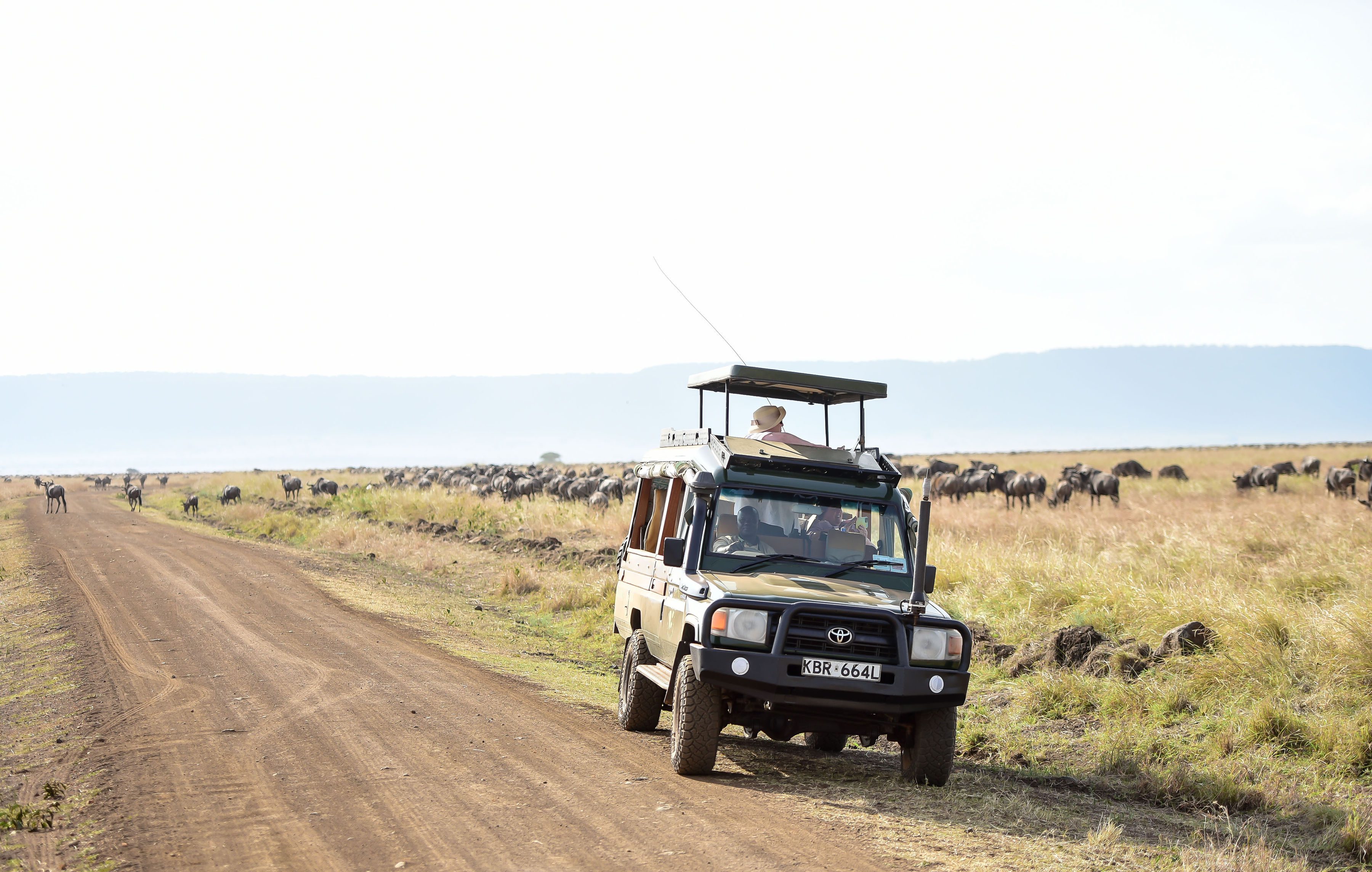
The Masai Mara National Reserve alone covers 1,510 km² — approximately the size of Greater London. Add the surrounding private conservancies (Olare Motorogi, Naboisho, Ol Kinyei, Mara North and others) and the managed Mara ecosystem reaches approximately 3,500 km². The greater Mara-Serengeti trans-boundary ecosystem extends to a staggering 30,000 km² — larger than Belgium.
The Mara has the highest density of resident lion prides in Africa and consistently records all of the Big Five on a single morning game drive during peak season.
Amboseli National Park 🐘
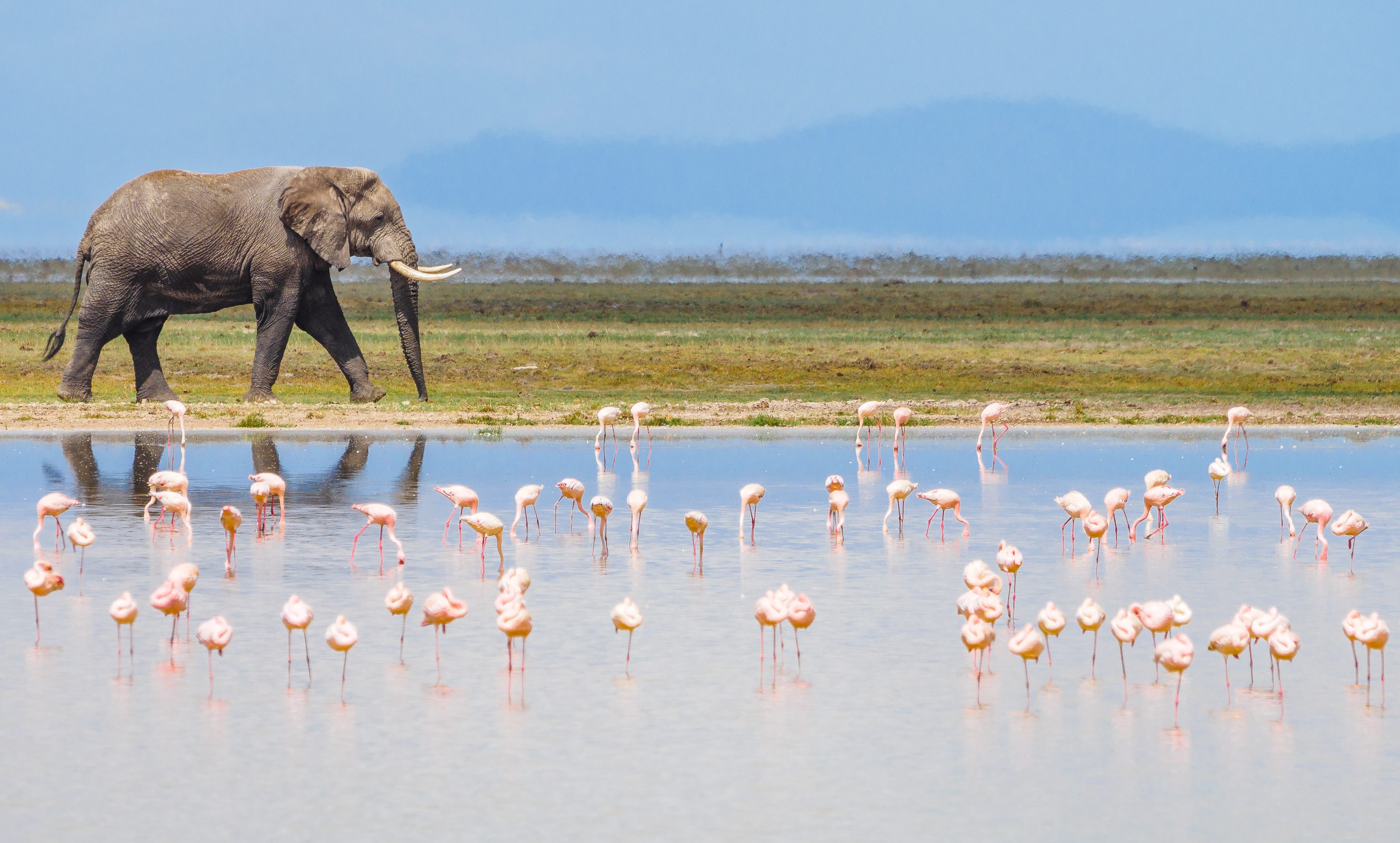
Famous for Kilimanjaro views and Kenya's most studied free-roaming elephant population, Amboseli has been a research site for over 50 years under the Amboseli Elephant Research Project, led by Dr Cynthia Moss since 1972.
- Size: 392 km² — approximately the size of Liechtenstein (160 km²) × 2.4
- Altitude: 1,150m — views directly to Kilimanjaro summit at 5,895m
- Elephants: ~1,500 in monitored population (one of Africa's most-studied herds)
- Special feature: Swampy springs fed by Kilimanjaro snowmelt, green year-round
- UNESCO: Designated a Biosphere Reserve in 1991
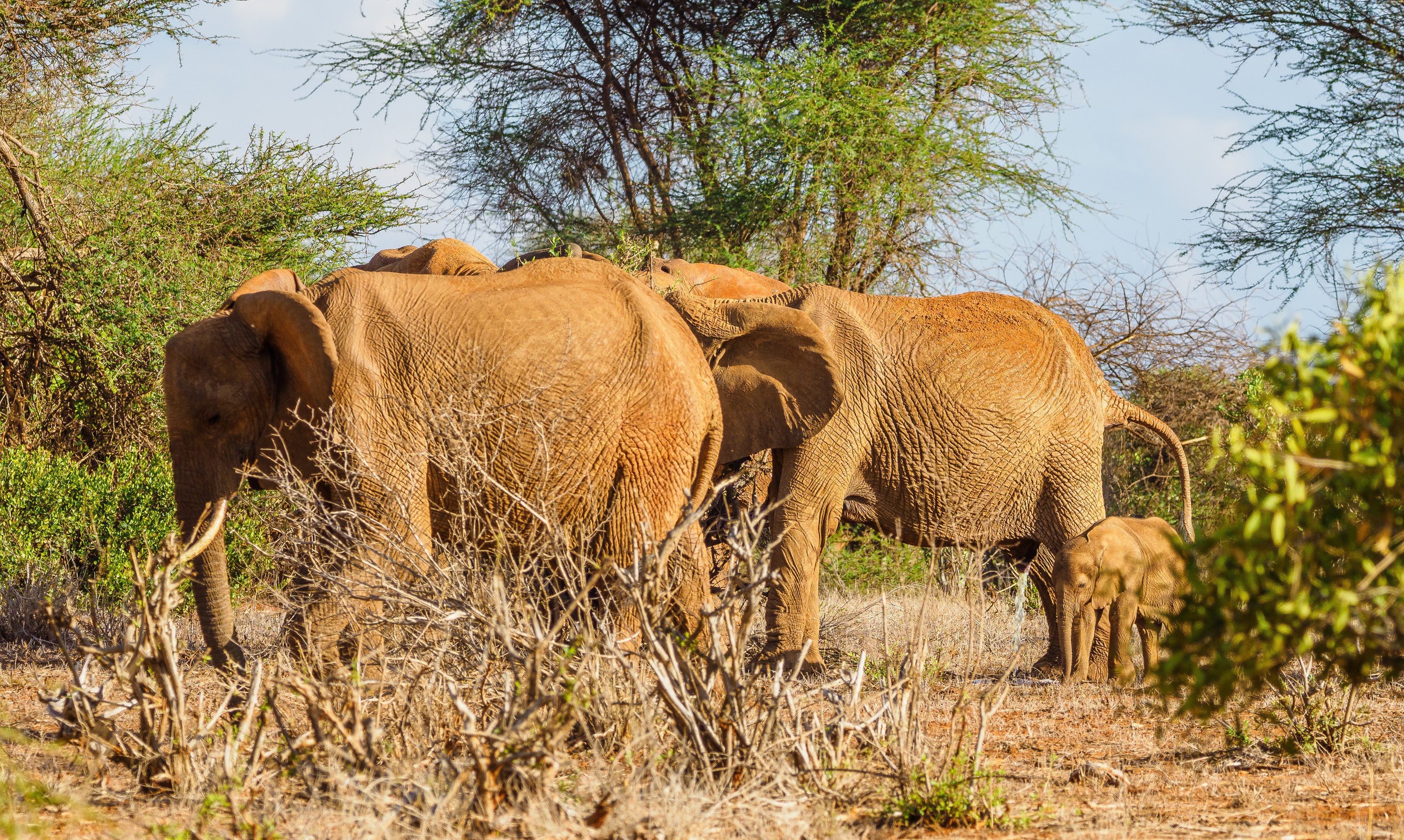
Tsavo East & West — Kenya's Largest Park 🦁
Tsavo East and West combined form the largest protected area in Kenya and one of the largest in Africa — a vast, ancient red-dust landscape of volcanic cones, lava flows and enormous elephant herds.
- Tsavo East: 13,747 km² ≈ Northern Ireland (13,843 km²)
- Tsavo West: 9,065 km² ≈ Cyprus (9,251 km²)
- Combined total: 22,812 km² — larger than Wales (20,779 km²)
- Elephants: Kenya's largest elephant population — over 12,000
- Special feature: Mzima Springs — crystal-clear water from volcanic lava filters

Lake Nakuru National Park 🦩
- Size: 188 km²
- Famous for: Up to 1 million flamingos on the lake surface — one of the world's greatest ornithological spectacles
- Rhino sanctuary: Both black and white rhino protected within an electric fence
- Altitude: 1,753m — mild year-round temperatures
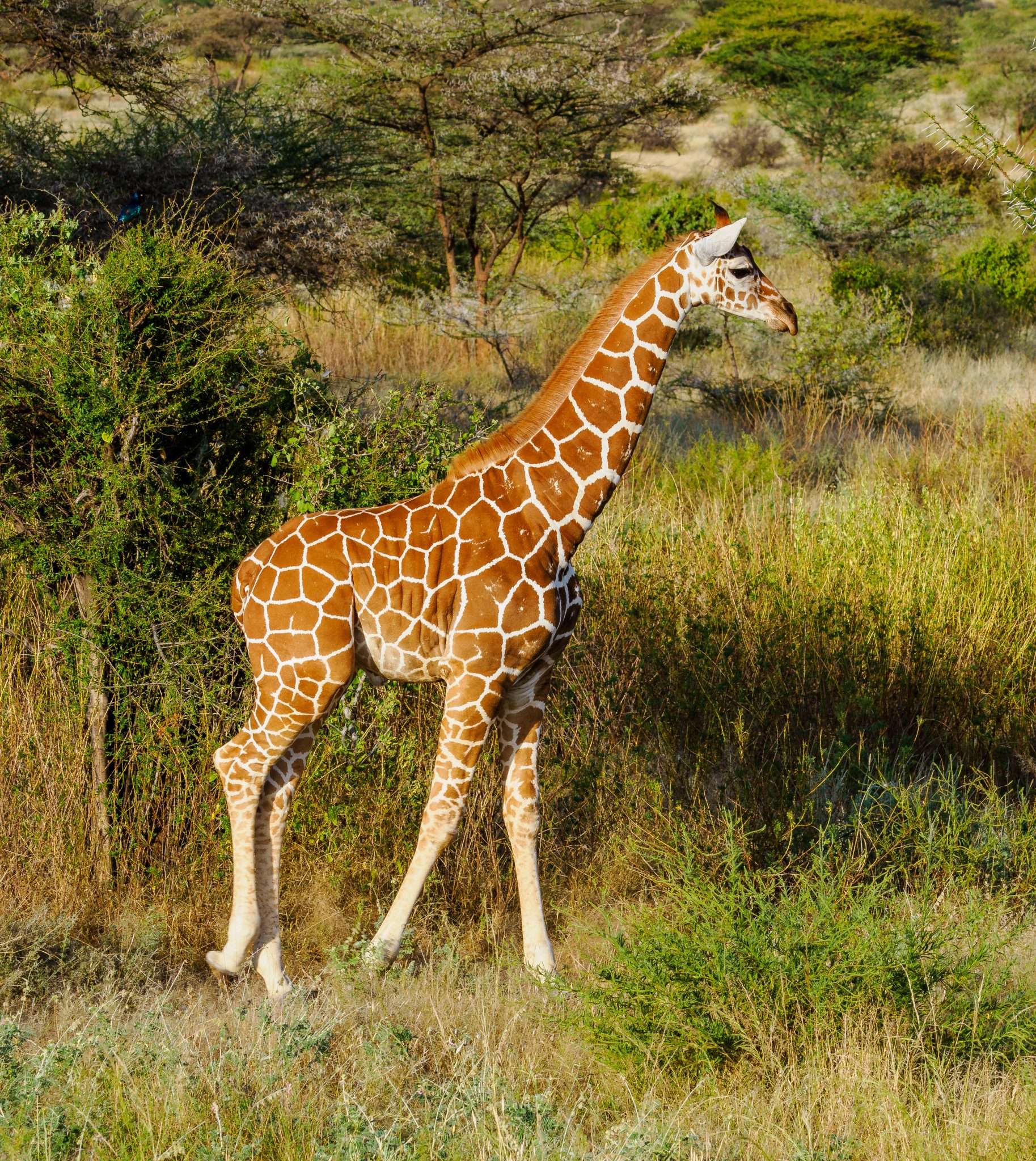
Samburu National Reserve 🦒
- Size: 165 km²
- Altitude: 800m — hotter, drier, northern Kenya ecosystem
- Unique species: Reticulated giraffe, Grevy's zebra, Beisa oryx, Somali ostrich — the "Samburu Special Five" found nowhere else in Kenya's main parks
- Culture: Samburu and Maasai communities directly adjacent to the reserve
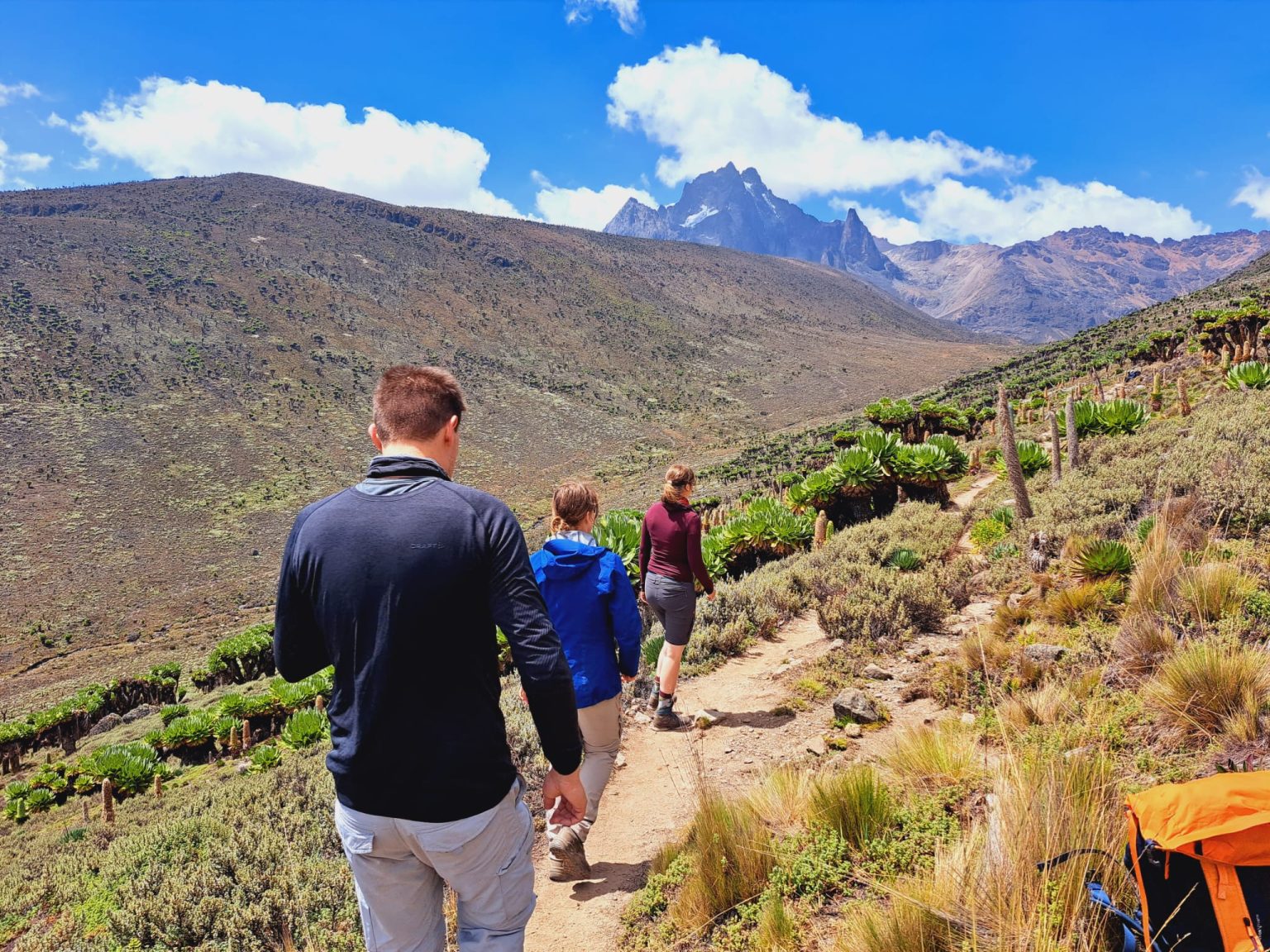
Mount Kenya National Park 🏔 UNESCO
- Size: 715 km² (core zone)
- Summit: Batian — 5,199m, Africa's second highest peak
- UNESCO: World Heritage Site since 1997 — only 2nd highest peak in Africa with a UNESCO designation
- Biodiversity: 4 distinct ecological zones from montane forest to glacier
- Straddles the equator at 0° latitude — snow on the equator
Conservation Success Story
Ol Pejeta Conservancy: How one piece of land brought rhinos back from the brink
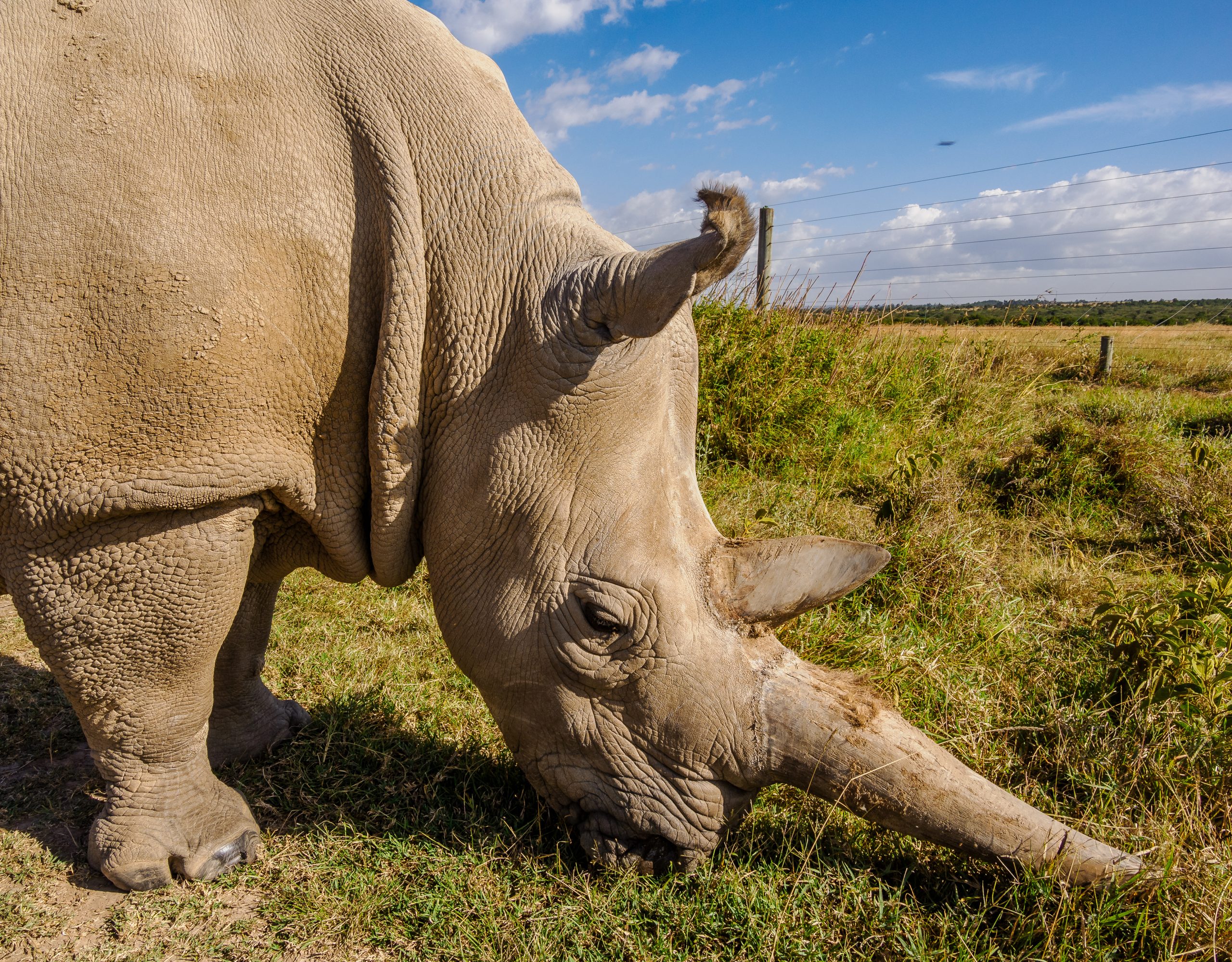
Ol Pejeta Conservancy in Laikipia, Kenya, covers 360 km² — and it is the most significant black rhino sanctuary in East Africa, and home to the world's last two northern white rhinos.
When conservation efforts began at Ol Pejeta, the black rhino was listed as Critically Endangered (IUCN Red List). Through rigorous anti-poaching operations, habitat management, and a model that combines conservation with community benefit and tourism, Ol Pejeta has built a black rhino population that is now the largest single population in East Africa — with over 105 black rhinos now thriving on the conservancy.
Their model — proving that conservation and commerce are not in conflict — is now studied and replicated across the continent.
Scale in Context
Kenya's parks vs European countries & regions
Numbers land differently when you compare them to places you know. This is how big Kenya's wildlife areas actually are.
| Kenya Park / Ecosystem | Size (km²) | European Equivalent | What That Means |
|---|---|---|---|
| Greater Mara-Serengeti Ecosystem | ~30,000 | ≈ Belgium (30,528 km²) | The full trans-boundary ecosystem shared by Kenya & Tanzania is the size of an entire country |
| Tsavo East + West (combined) | 22,812 | Larger than Wales (20,779 km²) | Kenya's largest park is bigger than all of Wales — and it shares a border with Amboseli |
| Tsavo East | 13,747 | ≈ Northern Ireland (13,843 km²) | Tsavo East alone is the size of Northern Ireland, and still one of the least-visited parks in Kenya |
| Tsavo West | 9,065 | ≈ Cyprus (9,251 km²) | An entire Mediterranean island's worth of protected wilderness |
| Masai Mara National Reserve | 1,510 | ≈ Greater London (1,572 km²) | The core reserve is modest — but what it contains per km² is unmatched anywhere |
| Masai Mara + All Conservancies | ~3,500 | ≈ Luxembourg (2,586 km²) × 1.35 | Including all private conservancies, the managed Mara landscape is larger than Luxembourg |
| Kenya Total Protected Areas | ~68,000 | ≈ Ireland + Northern Ireland (89,000 km²) | Kenya's entire protected wildlife estate is nearly the size of the island of Ireland |
| Ol Pejeta Conservancy | 360 | Larger than Singapore (728 km²) × 0.5 | Half the size of Singapore — and home to the last 2 northern white rhinos on Earth |
| Amboseli National Park | 392 | ≈ 4.6× the area of Oslo municipality (454 km²) | A relatively compact park that packs extraordinary elephant and big cat sightings per km² |
🇹🇿 Tanzania's National Parks & Conservation Areas
Tanzania has placed 38% of its entire land area under formal wildlife protection
Tanzania's protected wildlife territory covers approximately 364,000 km² — nearly the size of Germany (357,114 km²). It includes 22 national parks, 29 game reserves, 40 game controlled areas, 1 conservation area and numerous forest reserves. Sources: tawa.go.tz · tanzaniaparks.go.tz
Serengeti National Park · UNESCO World Heritage 1981
The Serengeti is bigger than you can comprehend. The data helps.
The Serengeti covers 14,763 km² — larger than Northern Ireland (13,843 km²) and nearly the size of the US state of Connecticut. It was inscribed as a UNESCO World Heritage Site in 1981, making it one of the earliest and most internationally recognised protected areas in Africa.
The name comes from the Maasai word siringet — "the land that goes on forever." When you stand inside it, you understand immediately why.
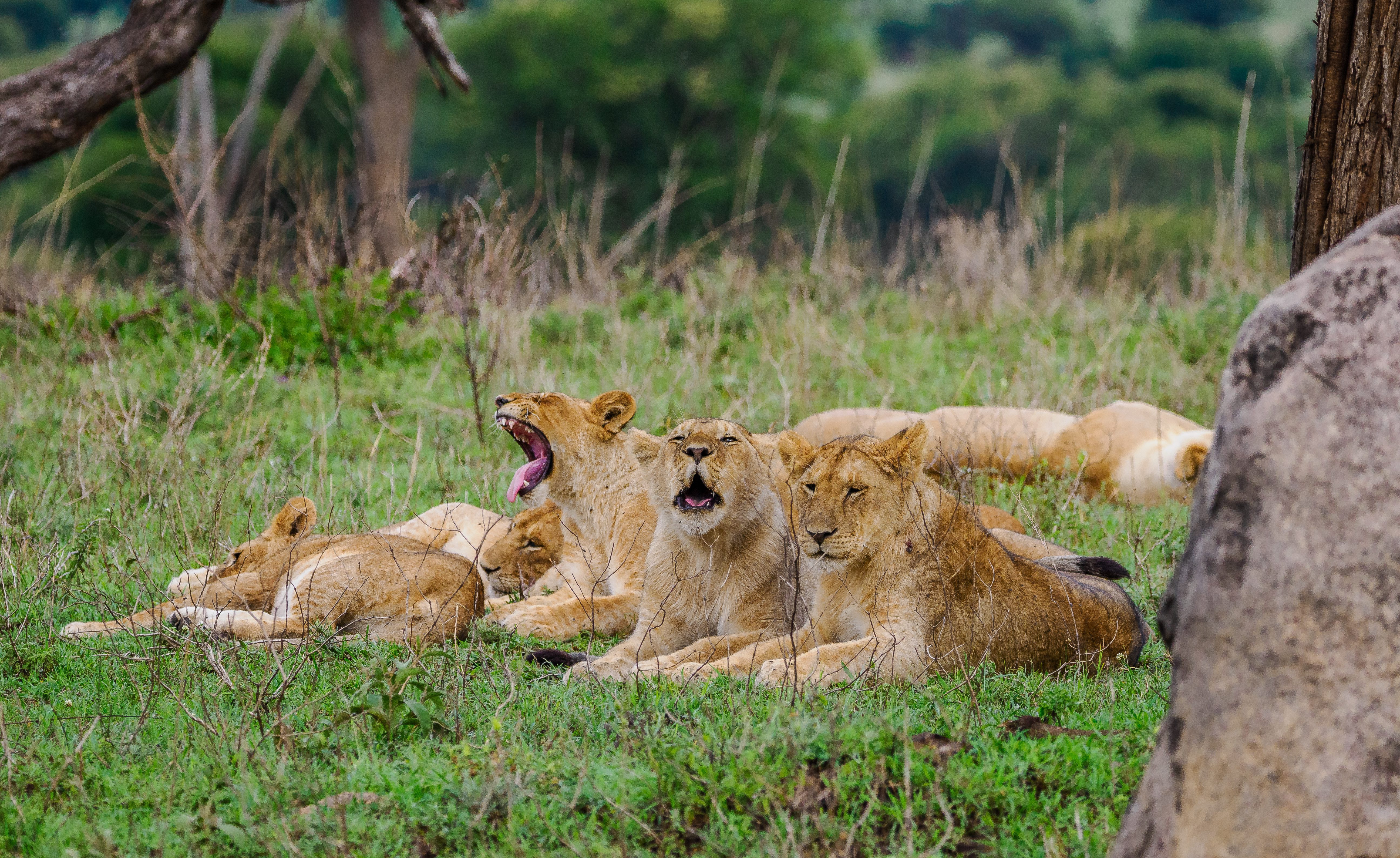
The park has been continuously researched by the Frankfurt Zoological Society since the 1960s and is home to the world's largest lion population — an estimated 3,000 lions within the ecosystem.

Ngorongoro Conservation Area 🌋 UNESCO
The world's largest intact volcanic caldera. A collapsed volcano that created a 260 km² natural amphitheatre housing one of Africa's most exceptional wildlife concentrations.
- Total CA size: 8,292 km² ≈ Cyprus (9,251 km²)
- Crater floor: 260 km² — walls up to 600m high
- UNESCO: World Heritage Site since 1979 (both natural & cultural criteria)
- Black rhino: ~30–40 critically endangered black rhinos on the crater floor
- Lion density: Highest recorded density of lions in Africa per km²
- Big Five: All five present year-round, every day

Nyerere (Selous) National Park 🌿 — Africa's Largest
The renamed Selous Game Reserve is now Nyerere National Park — the largest protected area in Africa and one of the last true wilderness areas on the planet. Most of it is almost completely untouched and rarely visited.
- Size: 54,600 km² — larger than Denmark (42,924 km²)
- UNESCO: World Heritage Site (currently on "List in Danger" due to poaching pressure — which is why conservation tourism here is critical)
- Wilderness: Fewer than 1% of Tanzania's tourists visit Selous — making it one of the most pristine and uncrowded destinations in Africa
- Wildlife: Africa's largest elephant population historically; also lion, hippo, wild dog
Tarangire National Park 🐘
- Size: 2,850 km² ≈ Luxembourg (2,586 km²)
- Elephant density: Highest concentration of elephants per km² in Africa during dry season
- Baobab landscape: Ancient baobab trees provide one of Africa's most photogenic backdrops
- Birding: 500+ species recorded
Kilimanjaro National Park 🏔 UNESCO
- Size: 1,688 km²
- Summit: Uhuru Peak, 5,895m — highest free-standing mountain on Earth
- UNESCO: World Heritage Site since 1987
- Climate zones: 5 distinct ecological zones from tropical rainforest to arctic summit
- Glaciers: Retreating glaciers on the summit — a visible climate change indicator studied by NASA and UNEP
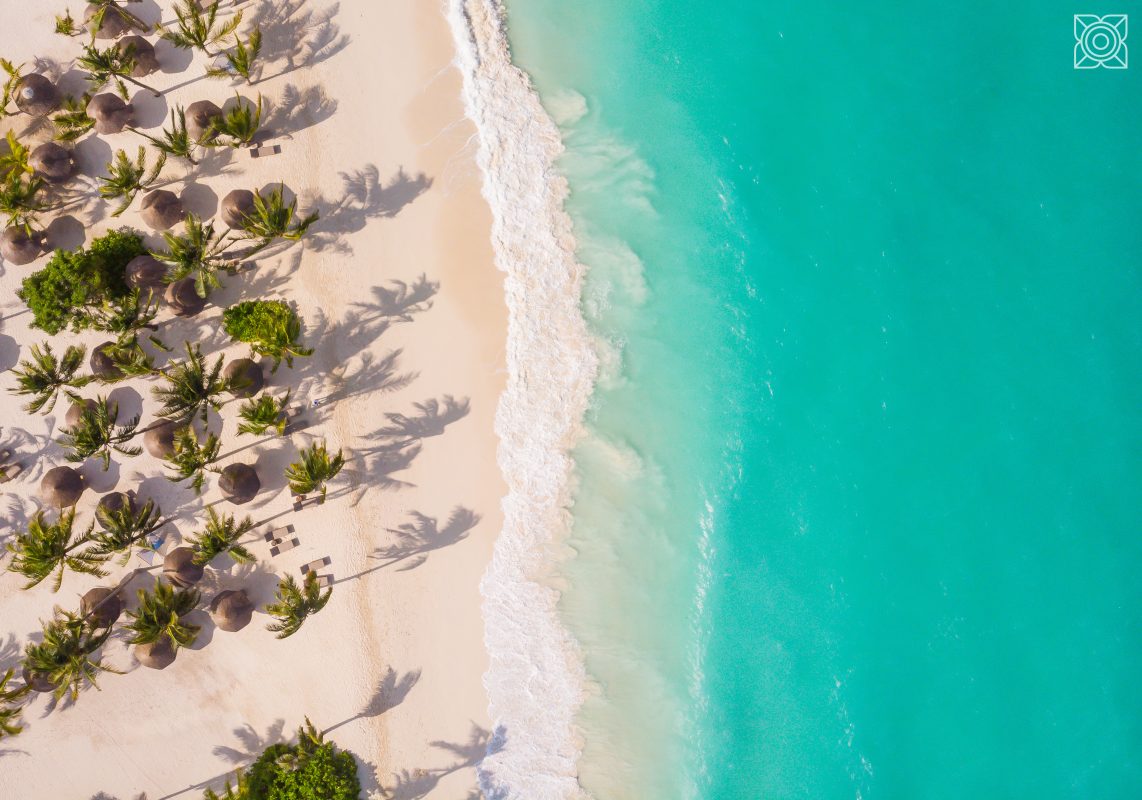
Zanzibar — Stone Town 🌊 UNESCO
- UNESCO: Stone Town of Zanzibar inscribed as World Heritage Site in 2000
- Culture: Outstanding example of Swahili coastal trading town — Arab, Indian, African and European architectural influences
- Marine: Zanzibar Archipelago protects some of East Africa's most biodiverse coral reefs
- Award: Africa's Leading Island Destination — World Travel Awards
Tanzania in Scale
Tanzania's parks vs countries you know
Tanzania protects a land area roughly the size of Germany. These comparisons make that tangible.
| Tanzania Park / Area | Size (km²) | European Equivalent | Why It Matters |
|---|---|---|---|
| Tanzania Total Protected Areas | ~364,000 | ≈ Germany (357,114 km²) | Tanzania's entire protected wildlife estate is almost exactly the size of Germany. 38% of the whole country. |
| Nyerere / Selous National Park | 54,600 | Larger than Denmark (42,924 km²) | Africa's largest protected area is bigger than Denmark. And fewer than 1% of Tanzania's tourists visit it. |
| Serengeti National Park | 14,763 | Larger than Northern Ireland (13,843 km²) | The world's most filmed wildlife park is bigger than Northern Ireland — and it's just one part of the ecosystem |
| Mara-Serengeti Ecosystem (full) | ~30,000 | ≈ Belgium (30,528 km²) | The greatest wildlife ecosystem on Earth is the size of an entire country. And it crosses two national borders. |
| Ngorongoro Conservation Area | 8,292 | ≈ Cyprus (9,251 km²) | An entire island-nation's worth of protected land — all built around a single volcanic crater |
| Ngorongoro Crater Floor | 260 | ≈ Liechtenstein (160 km²) × 1.6 | The actual crater floor packs more wildlife per km² than almost anywhere in Africa |
| Tarangire National Park | 2,850 | ≈ Luxembourg (2,586 km²) | The elephant capital of Tanzania is the size of Luxembourg — and virtually crowd-free outside peak season |
| Kilimanjaro National Park | 1,688 | ≈ Greater London (1,572 km²) × 1.07 | A UNESCO World Heritage site, the size of London, with the Roof of Africa at its centre |
Wildlife Census Data — Verified Sources
The animals: verified numbers, conservation status
Data from KWS aerial surveys, IUCN Red List assessments, and TAWA national wildlife censuses.
| Species | Kenya Population | Tanzania Population | IUCN Status | Key Location | Source |
|---|---|---|---|---|---|
| 🐘 African Elephant | ~34,000 | ~55,000–60,000 | Vulnerable | Tsavo, Amboseli (KE) / Nyerere, Tarangire (TZ) | IUCN 2023 |
| 🦁 African Lion | ~2,500 | ~15,000–16,000 | Vulnerable | Masai Mara (KE) / Serengeti (TZ) | IUCN |
| 🦏 Black Rhino | ~1,014 | ~200–215 | Critically Endangered | Ol Pejeta, Lewa (KE) / Ngorongoro (TZ) | IUCN / KWS 2023 |
| 🦏 White Rhino | ~750+ | <50 | Near Threatened | Ol Pejeta, Nakuru, Lewa (KE) | KWS |
| 🦒 Giraffe (Maasai) | ~35,000 | ~30,000 | Vulnerable | Masai Mara, Amboseli (KE) / Serengeti (TZ) | IUCN |
| 🐆 Cheetah | ~800–1,000 | ~1,000–1,500 | Vulnerable | Masai Mara, Samburu (KE) / Serengeti (TZ) | IUCN |
| 🦬 Wildebeest (Blue) | Part of ecosystem | ~1.5 million+ | Least Concern | Masai Mara (KE, seasonal) / Serengeti (TZ) | Serengeti.org |
| 🐦 Bird Species | 1,100+ | 1,050+ | Exceptional | Kenya alone = more species than USA + Canada combined | BirdLife International |